The Training Combo That Boosts Running Economy 3 X More Than Any Shoe
Boost Your Running Economy Faster Than Super Shoes
If you are looking for a genuine performance edge, it is easy to get caught up in the hype around super shoes. They are light, springy, and absolutely give you a noticeable lift. But here is the part most runners miss. You can improve your running economy even more through targeted training. The right mix of isometric work, strength training, and plyometrics can triple the gains you get from high tech footwear.
Super shoes typically provide around a four percent improvement in running economy. That is solid, but you can match or beat that with training that makes you stronger, stiffer through the right tissues, and more powerful with each stride. Even better, once you improve your own mechanics and efficiency, you get even more benefit out of the super shoes you choose to wear.
Below is a clear breakdown of how each training type helps and how to put it all together.
Isometric Training
Estimated improvement: four percent
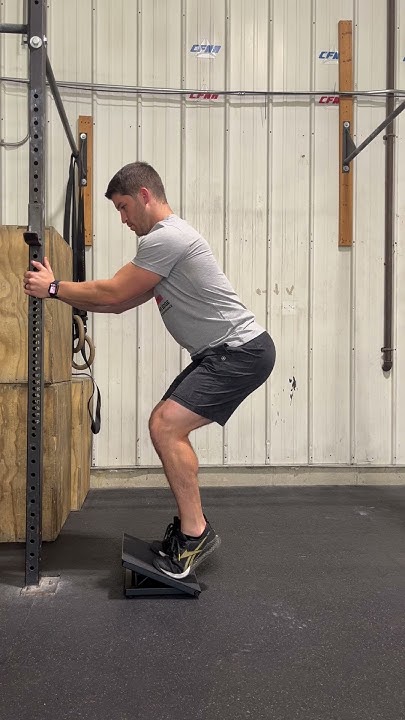
Isometrics are often overlooked in running programs, yet they target one of the most important qualities for efficiency. They increase the stiffness and force production of the muscles and tendons that keep you stable at ground contact. Think of activities like long holds in calf raises, soleus wall sits, or isometric split stance holds. These exercises help you maintain a quick, elastic stride with less wasted movement.
A stiffer lower leg and stronger soleus means you can load and unload the foot rapidly with each step. The result is smoother propulsion, reduced energy loss, and a stride pattern that feels more natural and rhythmic.
Simple additions you can start today:
Long hold calf raises
Isometric split squat holds
Soleus wall pushes for 30 to 45 seconds
Want to learn more about run specific isometric training? Click here for our previous blog post.
Strength Training
Estimated improvement: four percent
Strength work is one of the most reliable ways to enhance running performance and durability. Getting stronger does not make you bulky. It improves the force you can put into the ground and reduces the energy cost of maintaining speed.
Lower body strength movements build resilience in the hips and legs while improving joint stability. The stronger you are, the easier it becomes to maintain form late in a race or long run.
Key lifts for runners:
Squats
Deadlifts or hip hinge variations
Step ups and lunges
Hip thrusts for posterior chain power
Two gym sessions per week are enough for most runners to see meaningful gains.
Plyometric Training
Estimated improvement: eight percent
Plyometrics offer the biggest individual improvement in running economy. They sharpen your ability to use the stretch shorten cycle, which is the quick spring action your muscles and tendons rely on during every step.
Exercises like pogo jumps, bounding, box jumps, or fast foot contacts help you hit the ground with better stiffness and recoil. That translates to lighter, quicker strides with less effort at the same pace.
Try adding:
Pogo hops
Bounding strides
Low height box jumps
Quick line hops
A little plyometric work goes a long way. One or two short sessions per week is enough for most runners.
Why Training Helps You Get Even More Out of Super shoes
Super shoes already give around a four percent boost by improving your spring mechanics and reducing energy loss at foot strike. When you combine that with a body that is stronger, stiffer where it matters, and better at elastic recoil, you multiply the effect.
In other words, becoming more efficient does not make super shoes redundant. It makes them more effective. A runner with well trained mechanics gets a bigger return from the carbon plate and foam because their technique is already primed to use it.
Putting It All Together
To see real progress, combine all three training types across the week. A simple plan might look like this:
One strength session
One short isometric session
One light plyometric session
Build gradually, stay consistent, and allow recovery (See Juy's weekly example here)
With this approach, you can realistically improve your running economy by more than the shoes alone could ever provide.
If you want help building a structured strength and conditioning program to improve your efficiency and performance, I can write one tailored to your current level and goals. Otherwise, I'll see you at Great Ocean Road Half Marathon, Ballarat Marathon or Sydney Marathon next year.
