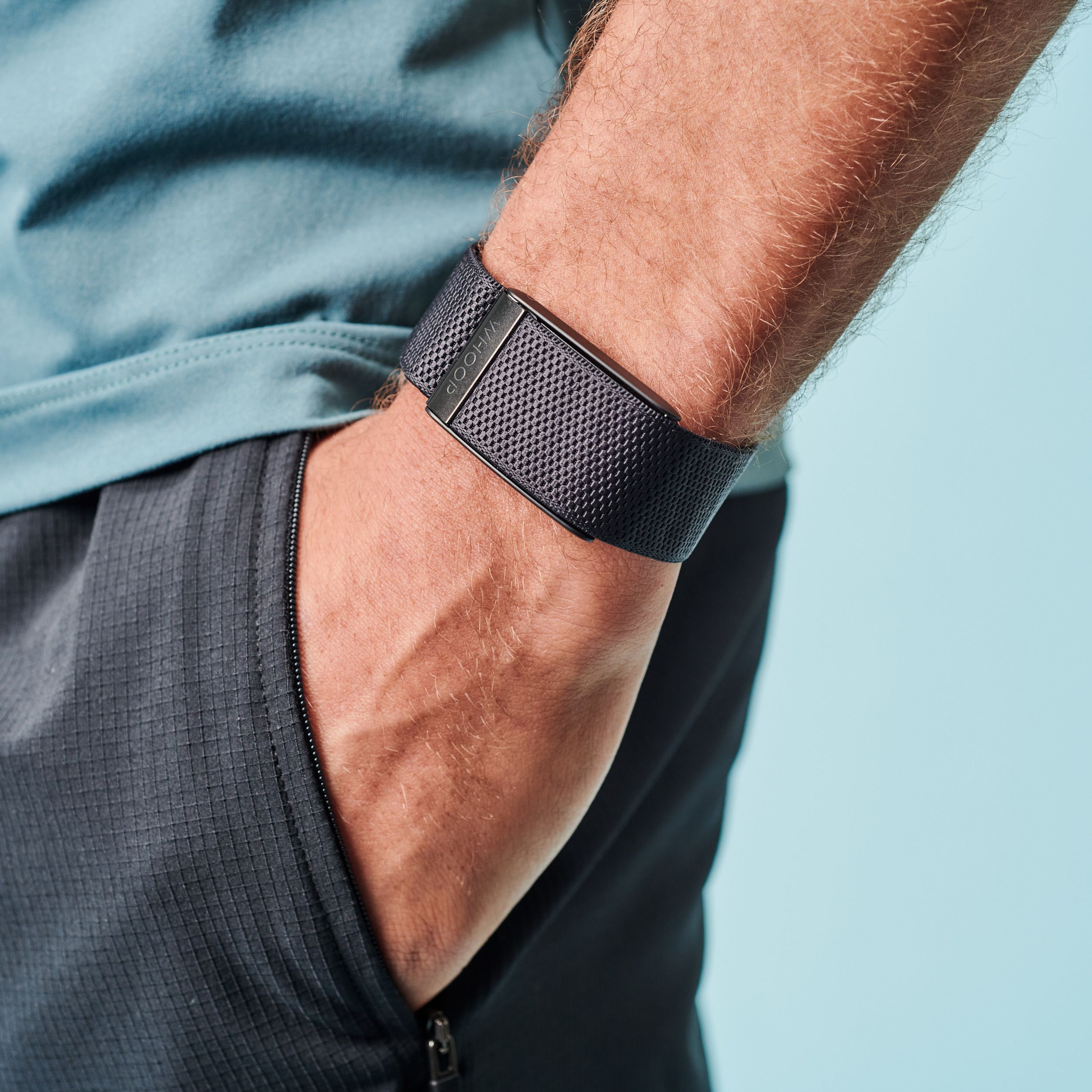
Wearable Tech for Athletes: Does It Actually Improve Performance?
Wearable Tech for Athletes: Does It Actually Improve Performance?
Walk into any gym or sports club and you will see it.
Athletes checking their watches.
Tracking their sleep.
Looking at numbers after every session.
Wearable tech has become a huge part of training.
But here is the real question.
Is it actually helping athletes perform better?
Or is it just more data?
Why Athletes Are Turning to Wearables
Athletes want an edge.
And wearable tech promises exactly that.
It gives you:
Sleep data
Heart rate tracking
Recovery scores
Training load insights
On the surface, it sounds powerful.
You finally have feedback on what your body is doing.
But data alone is not the answer.
The Biggest Mistake Athletes Make
Most athletes think more data equals better results.
So they:
Check their scores daily
Let numbers decide how they feel
Change training based on one metric
This creates confusion.
Because your body is not just one number.
Performance is influenced by:
Sleep
Stress
Training load
Nutrition
Lifestyle
Wearables give you information.
They do not give you the full picture.
Where Wearable Tech Can Help
When used properly, wearable tech can be a powerful tool.
It can help athletes:
Understand recovery patterns
Spot trends over time
Manage training loads
Avoid pushing too hard when fatigued
This is where things like HRV and sleep tracking come in.
They give you a window into how your body is responding.
But they need to be interpreted correctly.
The Gap Between Data and Performance
Here is where most athletes get stuck.
They collect data.
But they do not know what to do with it.
For example:
What does a low recovery score actually mean?
Should you train or rest?
Do you push through or pull back?
Without context, data becomes noise again.
And noise does not improve performance.
Why This Matters for Injury Prevention
One of the biggest benefits of wearable tech is injury prevention.
If used well, it can highlight:
Fatigue build-up
Poor recovery habits
Sudden spikes in training load
These are all common risk factors for injury.
But again, the key word is “if”.
Because spotting a problem is one thing.
Knowing how to adjust is another.
Final Thought
Wearable tech is not a magic solution.
It is a tool.
Used well, it can help you train smarter, recover better, and stay on the field.
Used poorly, it becomes a distraction.
The best athletes do not just collect data.
They understand how to use it.
And that is where the real advantage is.
