
Everything An Athlete Needs
In One Place
Our Strength and Conditioning Gym & Sports Rehab Facilities In Bundoora & Ringwood Help You Get Back To Sport & Maximise Your Performance
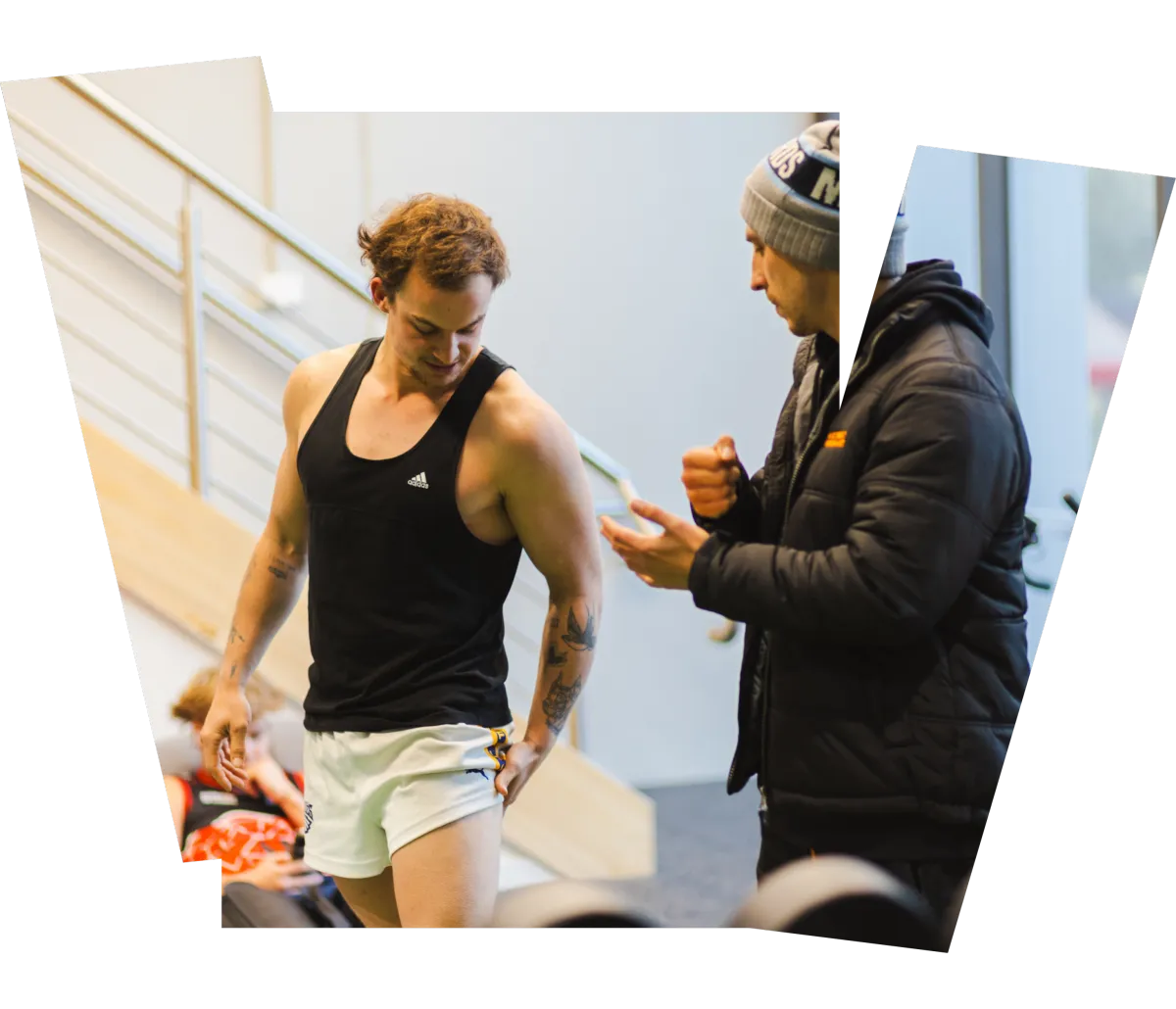
Excellent coaching and great programs set made for improving performance in your chosen sport, good facility and awesome vibes. - Angus
You Play Sport,
We Do The Rest.
Our Performance Consultants Are In The Corner Of Every Aspiring Athlete. We Provide A Complete System For Sports Performance, With Strength & Conditioning, Sports Physiotherapy, Concussion Management and Recovery Services At Our Facility.
Our Physios Have Been Trusted By












01

Athlete Performance Program
High Performance Training Throughout Your Entire Season.
Sports Physio
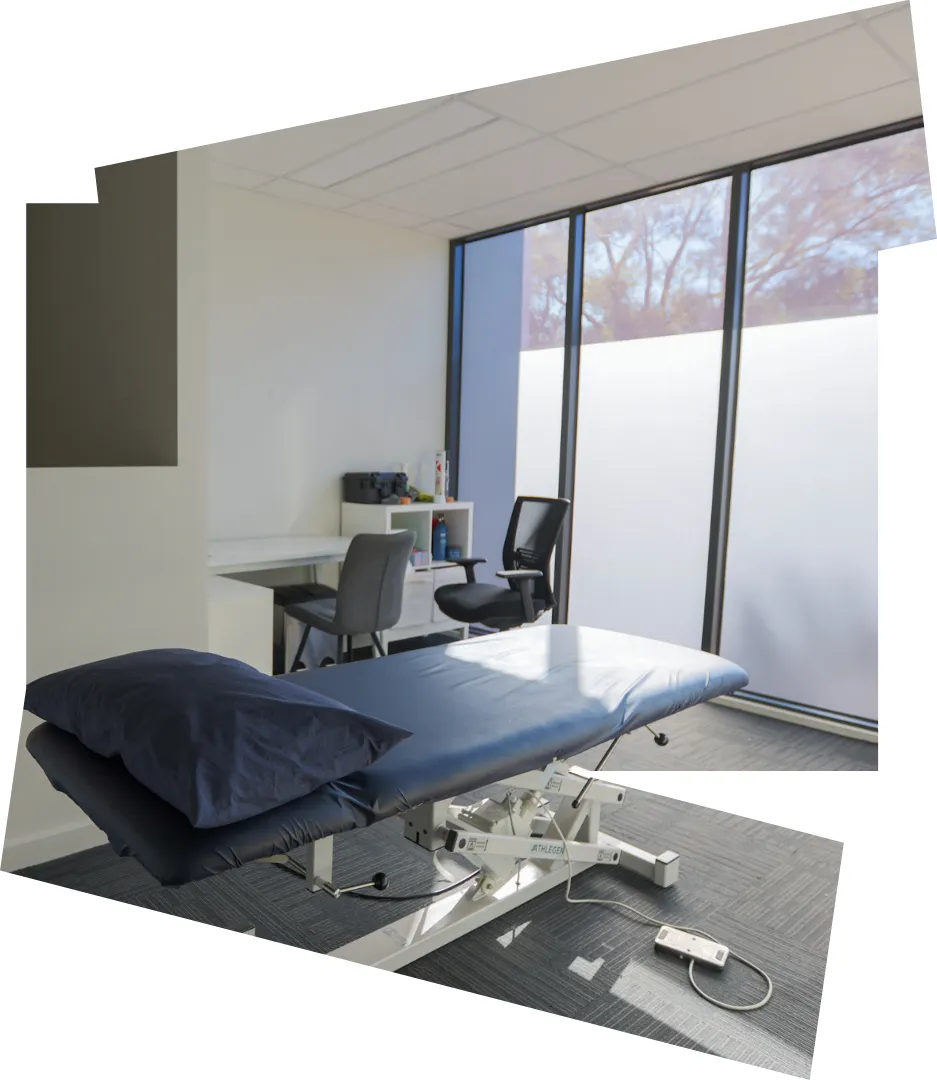
Sport Specific Injury Management & Prevention

03
Concussion Clinic
Keeping Your Brain Safe With Up To Revolutionary Concussion Care
01
Athlete Performance Program
High Performance Training Throughout Your Entire Season.
02
Sports Physio
Sport Specific Injury Management & Prevention
03
Concussion Clinic
Keeping Your Brain Safe With Up To Revolutionary Concussion Care
Performance is for all of us.
We offer comprehensive coaching, team support, and science-backed tools to enhance every facet of life for all those we serve.
250+
5 Star Google Reviews
5,000+
Athletes Coached
15+
Professional Athletes
Pivot Sports Performance
Coaches prepare you and your teams for workplace success.
With our experts and your commitment, athletes at our Bundoora & Ringwood facilities will excel in sports performance.
Testimonial
Here's What People Are Saying


Blogs
Latest and Greatest

Ankle Sprain Return to Sport: A Melbourne Guide
Ankle Sprain Return to Sport: Why Pain-Free Walking Is Not the Finish Line
You roll an ankle, spend a few days protecting it, and soon you can walk without much pain. The temptation is obvious: strap it, pass a quick jog test and get back on the field or court. In Grand Final week, or when your team is short, that pressure can feel even stronger.
But walking comfortably and being ready for sport are different standards. Sport asks you to accelerate, brake, jump, land, cut, react and keep doing it under fatigue. A useful ankle sprain return-to-sport decision therefore looks beyond pain alone.
This guide explains what should be considered after a typical ankle sprain, how rehab can progress, and when an assessment is sensible. It is general information, not a diagnosis or individual clearance. A fracture, high ankle sprain, tendon injury or other condition can look similar early on and may need a different plan.
Why ankle sprains deserve more respect
An ankle sprain usually involves one or more ligaments being stretched or torn. The common lateral ankle sprain happens when the foot rolls inwards and the ligaments on the outside of the ankle are stressed. Severity varies widely. Some people regain function quickly; others develop ongoing swelling, loss of movement, weakness, poor balance or a sense that the ankle gives way.
That is why a calendar alone cannot clear an athlete. Two people can injure an ankle on the same day and be at very different stages a week later. Your sport, position, previous injuries, symptoms and ability to tolerate load all matter.
Australian consumer guidance from Healthdirect also notes that some people continue to feel discomfort for months. Persistent symptoms are not a reason to panic, but they are a reason to assess what has not recovered rather than repeatedly “testing” the ankle in games.
Pain-free walking is a milestone, not clearance
Walking mainly tests straight-line, low-speed movement. Football, netball, basketball and soccer involve much higher forces and less predictable positions. A runner must also tolerate repeated contacts and changing terrain. An athlete may walk comfortably yet still lack calf endurance, ankle range, landing control, lateral confidence or the ability to complete a full training session.
A return-to-sport decision should therefore answer a better question: can this ankle and this athlete meet the demands of their sport today, and recover appropriately afterwards?
The five PAASS checks for ankle sprain return to sport
An international multidisciplinary consensus published in the British Journal of Sports Medicine developed the PAASS framework. It identifies five domains clinicians should assess when making return-to-sport decisions after an acute lateral ankle sprain. PAASS does not give one universal pass mark. It provides a structured way to avoid relying on a single sign such as pain or swelling.
1 Pain
Consider pain during sport-related tasks and over the following 24 hours. A mild response may be acceptable in some individual plans, while sharp pain, worsening symptoms or a significant next-day flare can show that the current load is too high. The pattern matters more than pretending every sensation means damage or that no pain automatically means readiness.
2 Ankle impairments
Check ankle movement, strength, endurance and power. Depending on the athlete, this may include calf raises, resisted ankle work, squat or lunge patterns and the ability to produce force quickly. The goal is not merely to make the injured side look like the other side; the result also needs to be adequate for the person’s sport and role.
3 Athlete perception
Confidence and perceived stability matter. An athlete who protects the ankle, hesitates before landing or avoids a direction may change movement in ways that reduce performance or shift load elsewhere. Honest feedback is useful clinical information, not a sign of weakness.
4 Sensorimotor control
This covers proprioception and dynamic balance: how effectively the body senses position and controls movement. Single-leg balance is a starting point, but sport usually demands control while reaching, catching, landing, turning or responding to an opponent.
5 Sport and functional performance
The final domain includes hopping, jumping, agility, sport-specific drills and the ability to complete a full training session. For a footballer, that could mean accelerating, decelerating, changing direction, kicking and handling contact. For a netball or basketball athlete, repeated jumping, landing and reactive cutting may be central. A distance runner needs progressive volume, pace and terrain exposure.
What early ankle sprain rehab can involve
The first priority is to work out what has been injured and whether imaging or medical review is indicated. For a typical lateral ankle sprain, management often moves from symptom control towards progressively restoring movement and load tolerance.
The 2021 lateral ankle sprain clinical practice guideline supports functional approaches that can include external support and progressive weight-bearing, plus an impairment-driven exercise program. The exact choice depends on severity and presentation. Prolonged immobilisation is not the default answer for every sprain, although more severe injuries may need a short period of protection directed by a clinician.
A staged plan may address:
swelling and pain management;
comfortable walking and everyday function;
ankle range of motion;
calf and ankle strength and endurance;
balance and landing control;
running exposure, then acceleration and deceleration;
change of direction, jumping and reactive tasks;
sport-specific skills and a full training session; and
a planned return to competition, with monitoring afterwards.
A practical return-to-sport progression
Progress is rarely a perfectly straight line. These stages are a useful conversation guide rather than a self-clearance checklist:
Daily function: walking, stairs and routine activities are comfortable and stable.
Capacity: ankle movement, calf endurance, strength and balance are rebuilt.
Straight-line running: volume and speed increase gradually without a problematic response.
Multidirectional work: planned cuts, hops, jumps and landings are introduced.
Reactive and sport-specific work: drills become less predictable and more representative of competition.
Training exposure: the athlete completes a full session and checks the response later that day and the next morning.
Competition: minutes, role and support strategies are agreed where appropriate, then reviewed.
A brace or taping may sometimes be part of the plan, particularly for athletes with a history of sprain, but it should not replace rehabilitation. The best decision combines protection where useful with the physical qualities and confidence needed for the sport.
When recurring ankle sprains become a pattern
If the ankle repeatedly gives way, swells after sport or never feels trustworthy, the issue may be more than “weak ankles”. Previous injury, incomplete rehabilitation, reduced balance, limited movement, strength deficits and insufficient exposure to sport-specific demands can all contribute. Some people develop chronic ankle instability and need a more detailed assessment.
This is where testing can help. Useful measures depend on the athlete, but the purpose is consistent: identify the remaining gap, train it, then re-test. Pivot’s return-to-sport testing service is designed to make that decision more objective and sport-specific.
When should you seek medical or physiotherapy assessment?
Seek prompt medical care for severe pain, obvious deformity, a cold or numb foot, rapidly increasing swelling, or an inability to put weight through the leg. Assessment is also sensible when pain, swelling or stiffness is worsening or not improving, when the injury involved a strong collision or awkward rotation, or when the pain is higher above the ankle. These features can indicate an injury that should not be managed as a routine lateral sprain.
For less urgent cases, a sports physiotherapist can clarify the likely injury, measure current capacity and build a progression that fits training and competition. Melbourne athletes can learn more about sports physiotherapy in Bundoora or sports physiotherapy in Ringwood.
The takeaway
Pain-free walking is good news. It is not the finish line. A sound ankle sprain return-to-sport decision considers pain, ankle capacity, confidence, dynamic control and performance under the demands of training.
If you are unsure whether your ankle is ready, or it keeps rolling and swelling, book a sports physiotherapy assessment with Pivot Sports Performance. The goal is a clear, individual plan that helps you return prepared, not simply hopeful.

Download Your
High Performance Hacks Here

Do you like the look of working with us?
Contact Us
We’d love to hear from you. We consult for individual athletes and sports teams. Tell us what you’re looking for, and we’ll guide you to the services that are right for you (even if that's not with us!).



Bundoora Location
23-25 Clements Avenue, Bundoora VIC 3083
Ringwood Location
Unit 1/7 Oban Rd, Ringwood VIC 3134
Bundoora Location
29 Clements Ave, Bundoora VIC 3083
Ringwood Location
Unit 1/7 Oban Road, Ringwood, 3134
Website & Marketing Powered By Gymini