
Everything An Athlete Needs
In One Place
Our Strength and Conditioning Gym & Sports Rehab Facilities In Bundoora & Ringwood Help You Get Back To Sport & Maximise Your Performance
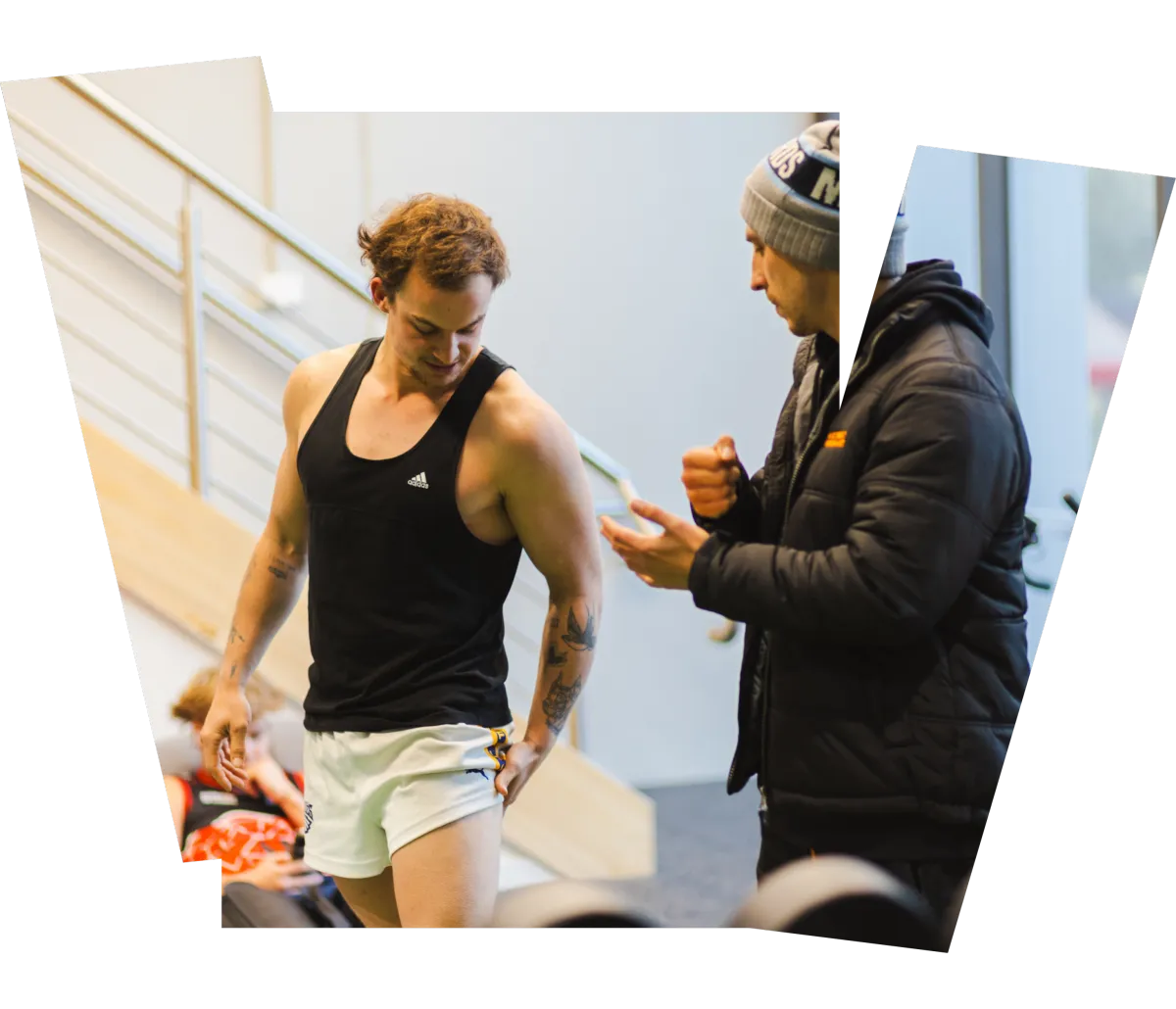
Excellent coaching and great programs set made for improving performance in your chosen sport, good facility and awesome vibes. - Angus
You Play Sport,
We Do The Rest.
Our Performance Consultants Are In The Corner Of Every Aspiring Athlete. We Provide A Complete System For Sports Performance, With Strength & Conditioning, Sports Physiotherapy, Concussion Management and Recovery Services At Our Facility.
Our Physios Have Been Trusted By












01

Athlete Performance Program
High Performance Training Throughout Your Entire Season.
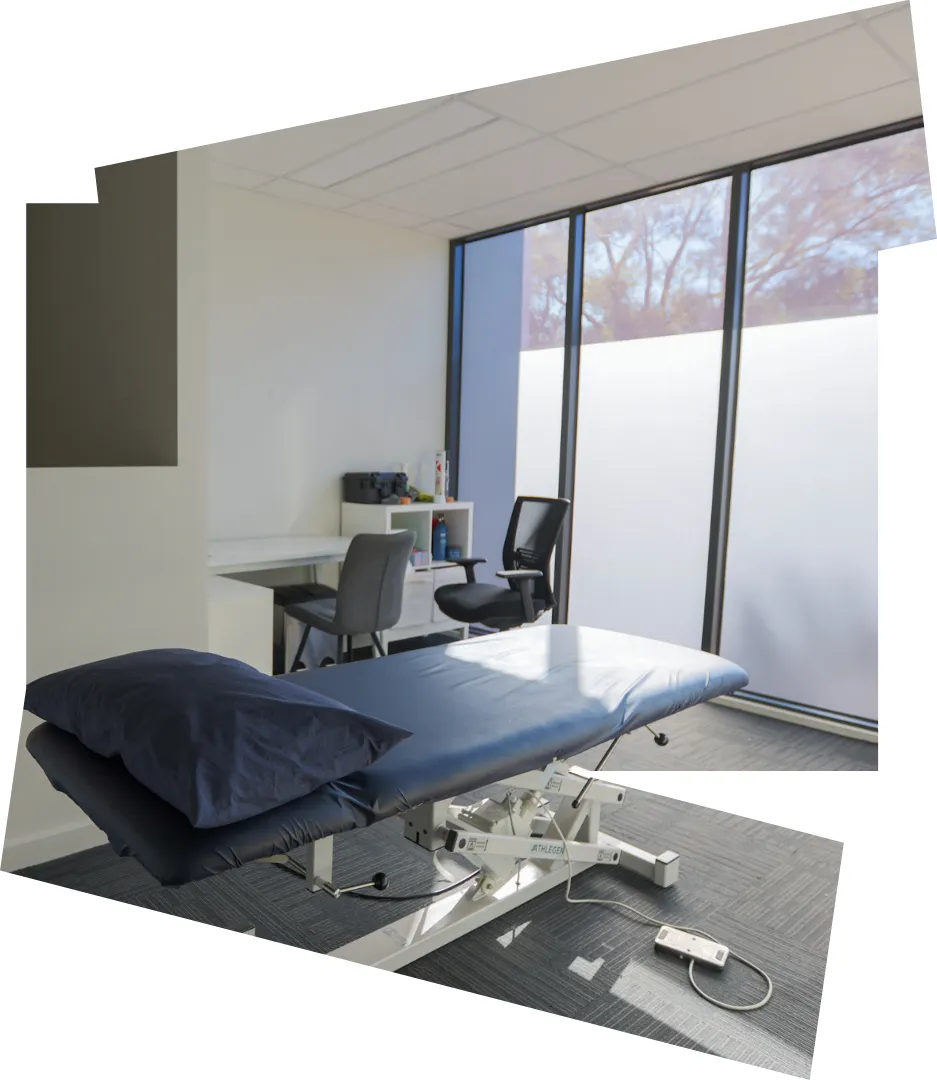
Sports Physio
Sport Specific Injury Management & Prevention

03
Concussion Clinic
Keeping Your Brain Safe With Up To Revolutionary Concussion Care
01
Athlete Performance Program
High Performance Training Throughout Your Entire Season.
02
Sports Physio
Sport Specific Injury Management & Prevention
03
Concussion Clinic
Keeping Your Brain Safe With Up To Revolutionary Concussion Care
Performance is for all of us.
We offer comprehensive coaching, team support, and science-backed tools to enhance every facet of life for all those we serve.
250+
5 Star Google Reviews
5,000+
Athletes Coached
15+
Professional Athletes
Pivot Sports Performance
Coaches prepare you and your teams for workplace success.
With our experts and your commitment, athletes at our Bundoora & Ringwood facilities will excel in sports performance.
Testimonial
Here's What People Are Saying


Blogs
Latest and Greatest
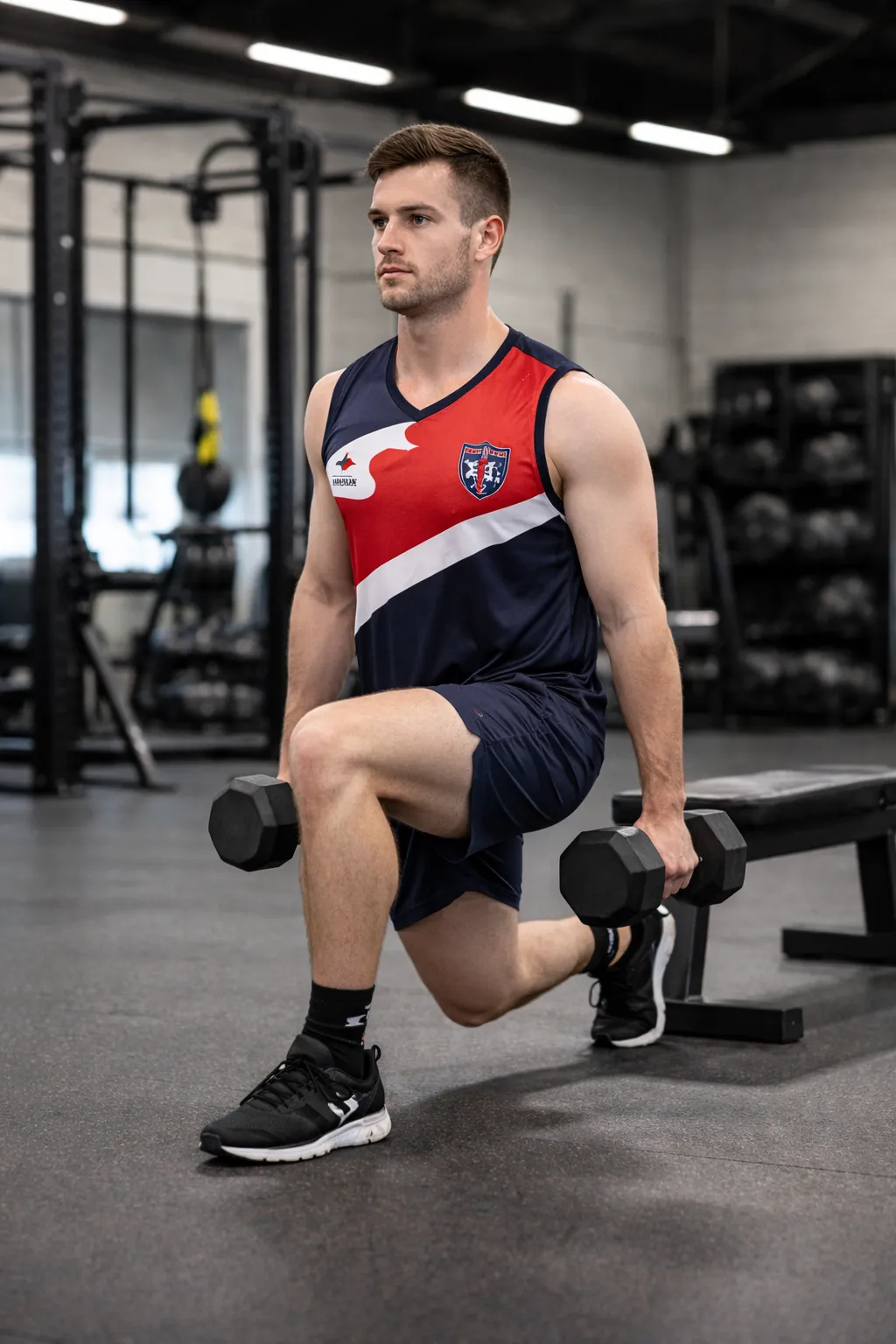
Lower Body Strength for Footy Performance | Pivot Sports Performance
Why Lower Body Strength Training Is Essential During Footy Season
When footy season begins, most players naturally shift their focus toward skills, match fitness (often making up for a reduced preseason) and team structures. That is understandable. Games start coming quickly and everyone wants to feel sharp on the field.
But one thing that often disappears once the season starts is lower body strength training.
That can quietly become a problem.
If you are not maintaining lower body strength during the season, performance can slowly decline. Even more importantly, your injury risk tends to increase as the physical demands of weekly matches add up.
For both youth footballers and senior players, lower body strength is one of the biggest factors influencing speed, power, durability and overall performance across the season.
At Pivot Sports Performance in Ringwood and Bundoora, this is one of the key things we focus on when preparing football athletes.
Let’s look at why it matters so much.
1. Lower Body Strength Helps Reduce Football Injuries
Australian rules football places huge stress on the lower body.
Players are constantly:
Accelerating
Decelerating
Jumping and landing
Changing direction
Absorbing contact
Kicking
All of these movements load the hips, knees and ankles repeatedly throughout a match.
If the muscles surrounding those joints are not strong enough to tolerate that load, injuries become more likely.
A well-designed football strength training program can help:
Reduce hamstring, calf and hip flexor strain risk
Improve ACL resilience
Increase ankle stability
Decrease groin injuries
Improve tendon capacity around the knee and Achilles
In simple terms, strength training raises the amount of force your body can handle. When your physical capacity is higher than the demands of the game, injuries become far less likely.
This is particularly important for junior footballers, where growth spurts and multiple sporting commitments can quickly increase weekly training load.
Strength training is not just about getting stronger. It is a form of injury prevention for football players.
2. Speed and Power Start With Strength
Every explosive movement in football starts with force production.
Your glutes, hamstrings and quadriceps generate the power needed for:
Acceleration over the first 5–20 metres
Vertical jump in marking contests
Tackling and bumping power
Repeat sprint efforts
Without a solid strength base, it becomes difficult to develop high levels of speed or power.
During the season, the goal is not to chase maximum lifts every week. Instead, the focus is on maintaining and slightly progressing strength levels so power output does not drop as fatigue builds.
Many footballers notice they feel slower or less explosive halfway through the season. Often this is not just fatigue, but it is a gradual loss of strength qualities from removing gym work.
Consistent in-season strength training for footy players helps prevent that drop-off.
3. Change of Direction and Agility Require Strength
Football is rarely played in straight lines.
Most movements involve cutting, sidestepping or reacting to an opponent. These movements rely heavily on eccentric strength, which is your body’s ability to absorb and control force.
Single-leg strength is especially important.
Exercises like:
Split squats
Step-ups
Single-leg Romanian deadlifts
Lateral strength work
That stability protects athletes when decelerating or changing direction at speed.
Without adequate control, movement quality breaks down. Knees collapse inward, the trunk shifts off balance, and ankles become vulnerable to rolling.
Strong athletes do not just produce force: they control it and use it to there advantage.
4. Strength Training Improves Durability Across the Season
A football season is long. Even at local club level, the physical toll adds up week after week.
Players who maintain strength training during the season often notice they:
Recover faster between games
Feel less soreness from contact
Maintain power deeper into the year
Experience fewer late-season injuries
Stronger muscles absorb more load, which reduces stress on joints and connective tissues.
The good news is that this does not require massive gym sessions.
Even two well-structured lower body strength sessions per week can significantly improve durability throughout the season.
And, if you have completed a good preseason program, then it'll likely be fewer reps and sets.
5. Football Strength Training Is More Than Just Squats
When people hear lower body strength training, they often think only about heavy squats or deadlifts.
Those exercises can be valuable, but a complete football strength and conditioning program includes several components.
A balanced program usually contains:
Bilateral strength work (squats, trap bar deadlifts)
Unilateral strength exercises for stability
Posterior chain work for hamstrings and glutes
Calf strengthening for sprinting and ankle resilience
Groin strengthening for kicking and lateral movement
Power training such as jumps or medicine ball throws
The most important factor is individualisation.
A 14-year-old midfielder should not be following the same program as a 25-year-old key position player. Training age, injury history and positional demands all need to be considered.
6. In-Season Strength Training Will Not Make You Slow
One of the most common myths in football is that lifting weights during the season will leave players feeling heavy or sore on game day.
In reality, this usually happens because of poorly planned training programs.
When strength training is programmed properly:
Training volume is controlled
Intensity is appropriate
Heavy sessions are scheduled away from games
Recovery is built into the week
Athletes typically feel more powerful, more stable and better prepared for matches.
Strength training should support performance on the field — not compete with it.
Football Strength Training at Pivot Sports Performance
If your goal this season is to:
Stay injury free
Improve speed and explosiveness
Win more contests
Maintain performance across the whole season
then lower body strength training needs to be a consistent part of your program.
At Pivot Sports Performance, we work with youth and adult footballers across Ringwood, Bundoora and Melbourne to build stronger, more resilient athletes.
Our integrated approach combines:
Strength and conditioning
Sports physiotherapy
Performance testing
Long-term athletic development
This ensures every athlete has a program that actually transfers to performance on the field.
If you are dealing with hamstring tightness, knee pain, ankle instability, or simply want to take your football to the next level, our team can help design a lower body strength program tailored to you.
Footy rewards strong athletes.
Make sure you are one of them this season.
Book an assessment with Pivot Sports Performance and start building a stronger, more resilient body for footy.


Download Your
High Performance Hacks Here

Do you like the look of working with us?
Contact Us
We’d love to hear from you. We consult for individual athletes and sports teams. Tell us what you’re looking for, and we’ll guide you to the services that are right for you (even if that's not with us!).



Bundoora Location
23-25 Clements Avenue, Bundoora VIC 3083

Ringwood Location
Unit 1/7 Oban Rd, Ringwood VIC 3134

Bundoora Location
23 Clements Ave, Bundoora, 3083

Ringwood Location
Unit 1/7 Oban Road, Ringwood, 3134

Website & Marketing Powered By Gymini