
Everything An Athlete Needs
In One Place
Our Strength and Conditioning Gym & Sports Rehab Facilities In Bundoora & Ringwood Help You Get Back To Sport & Maximise Your Performance
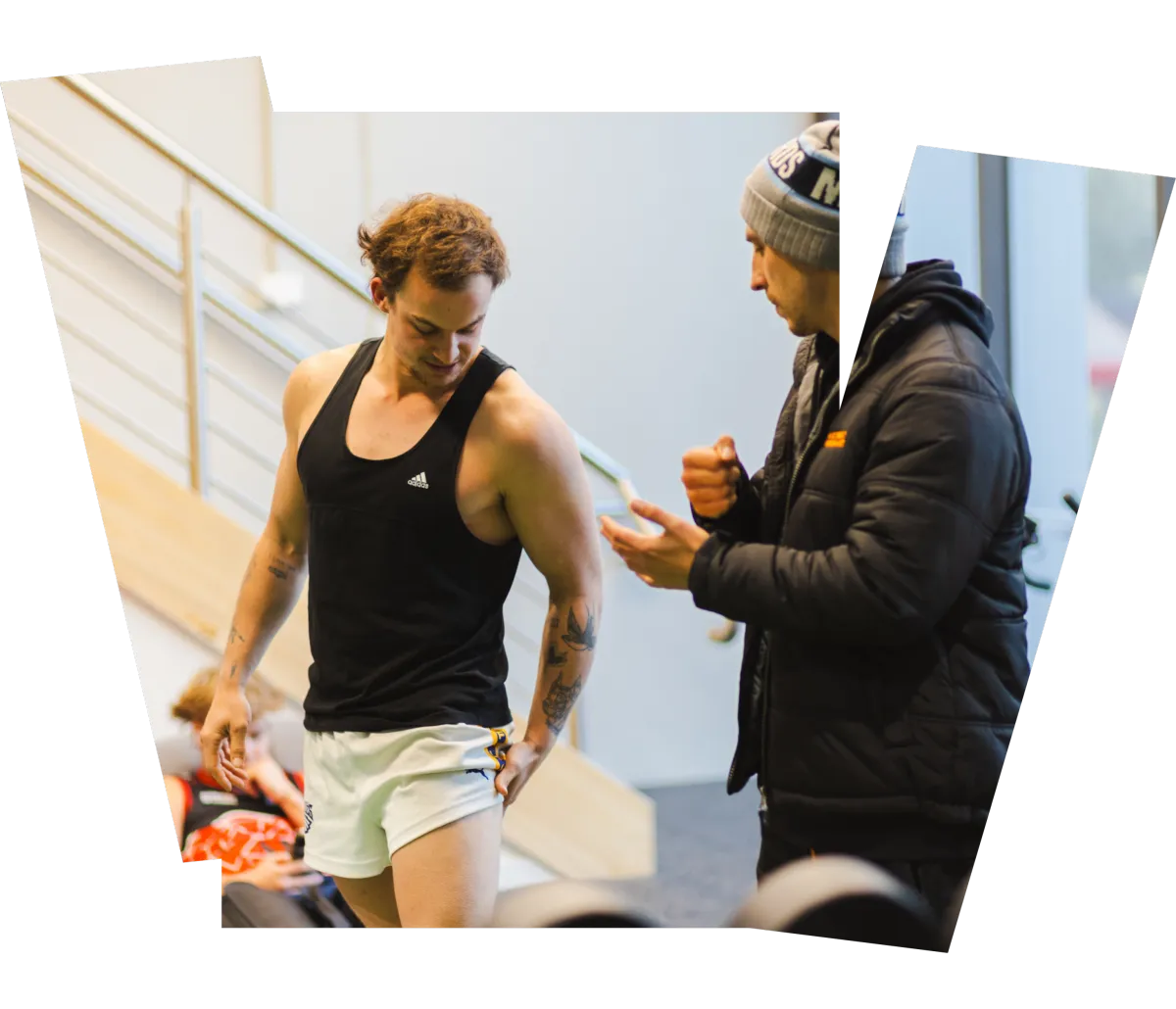
Excellent coaching and great programs set made for improving performance in your chosen sport, good facility and awesome vibes. - Angus
You Play Sport,
We Do The Rest.
Our Performance Consultants Are In The Corner Of Every Aspiring Athlete. We Provide A Complete System For Sports Performance, With Strength & Conditioning, Sports Physiotherapy, Concussion Management and Recovery Services At Our Facility.
Our Physios Have Been Trusted By









01

Athlete Performance Program
High Performance Training Throughout Your Entire Season.
Sports Physio
Sport Specific Injury Management & Prevention

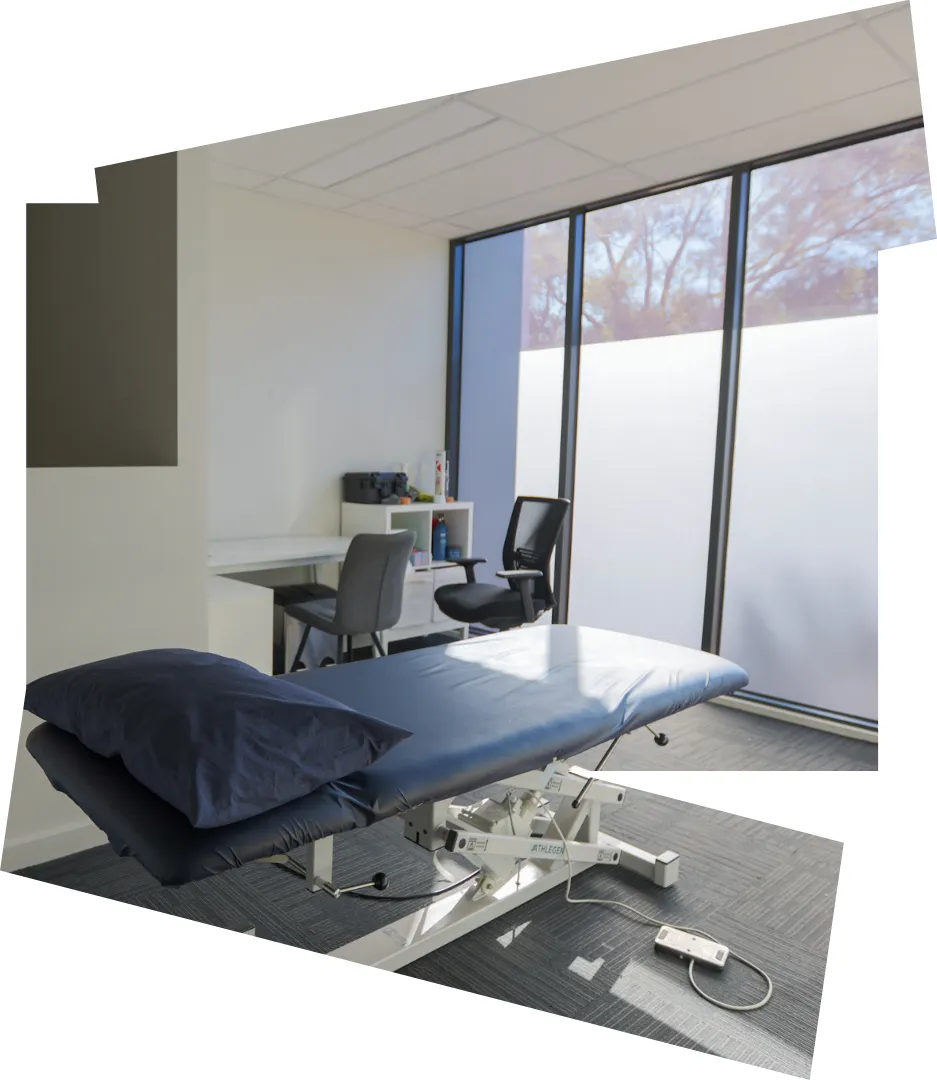
03
Concussion Clinic
Keeping Your Brain Safe With Up To Revolutionary Concussion Care
01
Athlete Performance Program
High Performance Training Throughout Your Entire Season.
02
Sports Physio
Sport Specific Injury Management & Prevention
03
Concussion Clinic
Keeping Your Brain Safe With Up To Revolutionary Concussion Care
Performance is for all of us.
We offer comprehensive coaching, team support, and science-backed tools to enhance every facet of life for all those we serve.
250+
5 Star Google Reviews
5,000+
Athletes Coached
15+
Professional Athletes
Pivot Sports Performance
Coaches prepare you and your teams for workplace success.
With our experts and your commitment, athletes at our Bundoora & Ringwood facilities will excel in sports performance.
Testimonial
Here's What People Are Saying


Blogs
Latest and Greatest
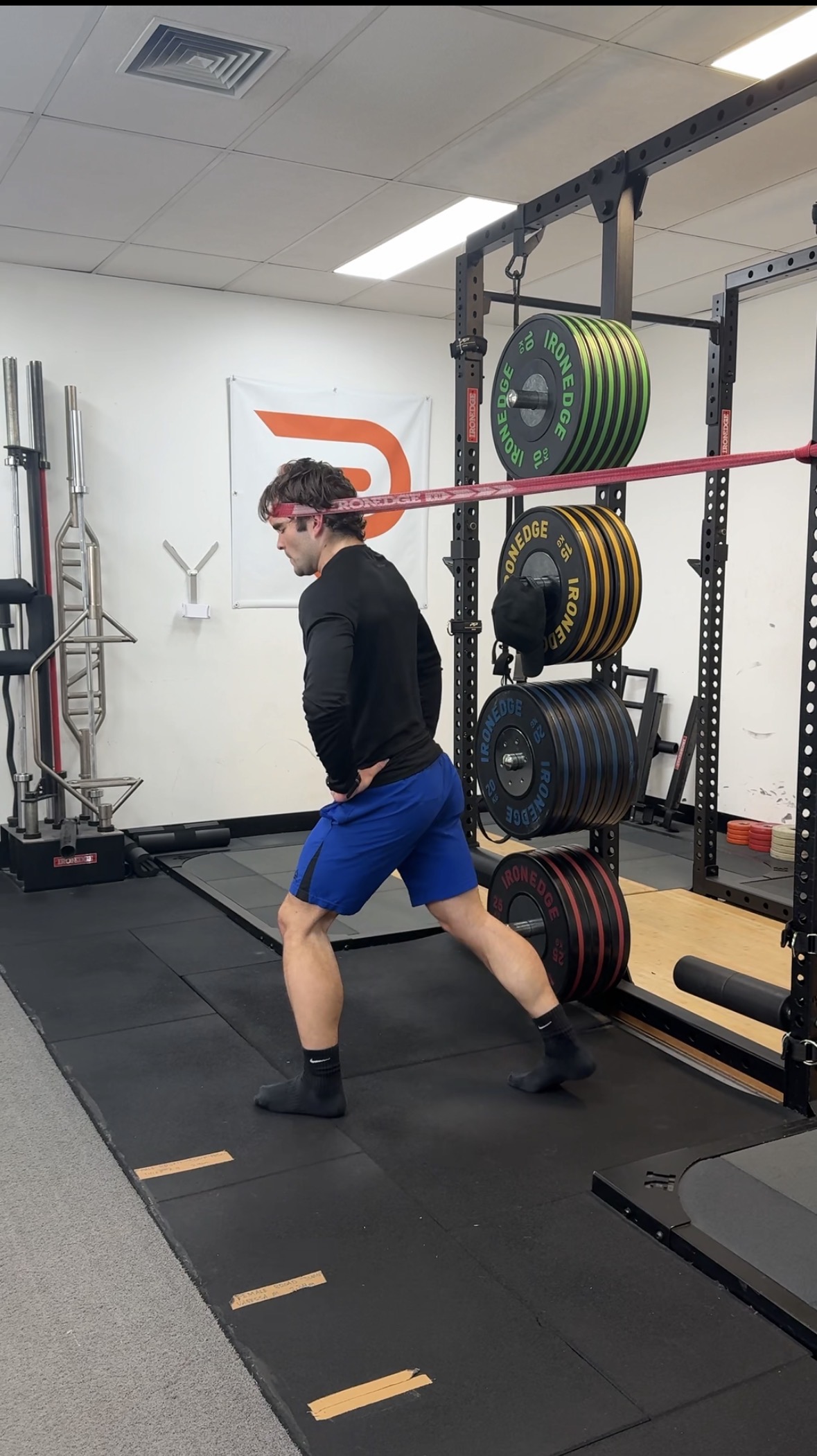
How to Reduce Concussion Risk in Sport | Evidence-Based Guide
What Actually Reduces the Risk of Concussion in Sport?
Concussions are one of the most complex injuries in sport. Despite advances in technology, medicine, and training, there is still no single intervention that can fully prevent a concussion.
That might sound frustrating, but it’s also important.
Because the real answer is this:
Concussion risk is managed, not eliminated.
The best approach combines education, physical preparation, appropriate equipment, and structured return-to-play systems.
Below is what the current evidence actually says about the most common strategies used to reduce risk or protect athletes.
Understanding Why Concussions Are Hard to Prevent
A concussion is not caused by a direct blow alone.
It is a brain acceleration injury, where rapid movement of the head causes the brain to shift inside the skull.
This means:
You can get a concussion without direct head contact
You can get one from body contact or whiplash
External equipment has limited ability to stop internal brain movement
This is why prevention is challenging and why most strategies focus on risk reduction, not elimination.
1. Helmets: Essential, But Not for Concussion Prevention
Helmets are often the first thing people think of.
Here’s the reality:
Helmets are excellent at preventing skull fractures and severe head trauma
They do not reliably prevent concussions
The Australian Institute of Sport clearly states that helmets “will not stop concussion from occurring” .
Some studies suggest certain helmet designs may reduce risk slightly in specific contexts, but:
Results are inconsistent
Mechanism of injury (brain acceleration) is not addressed
Takeaway:
Helmets are non-negotiable for safety, but they are not a concussion prevention tool.
2. Mouthguards: Important for Teeth, Limited for Brain Protection
Mouthguards are widely used across contact sports.
What the evidence shows:
Strong protection against dental and facial injuries
Inconclusive or minimal evidence for reducing concussion risk
Some studies suggest a small potential benefit, but findings are inconsistent and not strong enough to rely on.
Takeaway:
Use mouthguards for safety, but do not rely on them to prevent concussion.
3. Neck Supportive Devices (e.g. Q Collar): Promising Theory, Weak Evidence
Devices designed to reduce brain movement (such as jugular compression collars) have gained attention.
The theory:
Increase blood volume in the skull
Reduce brain “slosh” during impact
The reality:
Current research shows no meaningful reduction in concussion rates
Takeaway:
Interesting concept, but not supported by strong evidence yet.
4. Neck Strength Training: One of the Most Promising Areas
This is where things get more interesting.
Research suggests:
Stronger neck muscles help stabilise the head during impact
Reduced head acceleration may reduce concussion risk
A large study of thousands of athletes found:
Greater neck strength was associated with lower concussion risk
However:
Not all studies agree
Evidence is still evolving
Takeaway:
Neck strength is one of the most practical and promising strategies, especially in youth and contact athletes.
5. Supplementation: Limited Evidence for Prevention
You’ll often hear about supplements like:
Omega-3 fatty acids
Creatine
Magnesium
Tumeric
Here’s the evidence-based view:
Some supplements and nutrients may support brain health and recovery
There is no strong evidence they prevent concussions
Current guidelines (including AIS-aligned approaches) do not recommend supplementation as a primary prevention strategy.
Takeaway:
Supplementation may support recovery of a concussion (and are shown to improve traumatic brain injuries), but it is not a proven prevention method.
6. Baseline Testing: Not Prevention, But Critical for Protection
Baseline concussion testing is often misunderstood.
It does not reduce the risk of concussion occurring
However, it is one of the most important tools for:
Accurate diagnosis
Tracking recovery
Safe return-to-play decisions
Organisations like Pivot emphasise baseline testing as part of:
A structured concussion management system
Objective return-to-sport clearance
Takeaway:
Baseline testing is not prevention, but it is essential for protecting athletes after injury.
What Actually Works Best: A Systems Approach
The strongest evidence supports a multi-layered strategy, including:
1. Education
Athletes reporting symptoms honestly
Coaches recognising signs early
2. Rule and Contact Modifications
Reducing high-risk contact in training
Enforcing safe play
3. Physical Preparation
Neck strength training
Whole-body strength and control
4. Medical Systems
Baseline testing
Clear return-to-play protocols
Ongoing monitoring
5. Proper Equipment Use
Helmets and mouthguards for general safety
The Real Message for Athletes and Clubs
If you are looking for a single “fix” to prevent concussions, it does not exist.
But if you:
Build stronger athletes
Educate your environment
Implement proper medical systems
You can significantly reduce risk and improve outcomes.
Final Summary
Helmets and mouthguards protect against serious injury, not concussion
Neck strength is one of the most promising physical protectors
Devices and supplements currently lack strong evidence
Baseline testing is critical for safe return, not prevention
The best results come from a complete, system-wide approach


Download Your
High Performance Hacks Here

Do you like the look of working with us?
Contact Us
We’d love to hear from you. We consult for individual athletes and sports teams. Tell us what you’re looking for, and we’ll guide you to the services that are right for you (even if that's not with us!).



Bundoora Location
23-25 Clements Avenue, Bundoora VIC 3083

Ringwood Location
Unit 1/7 Oban Rd, Ringwood VIC 3134

Bundoora Location
23 Clements Ave, Bundoora, 3083

Ringwood Location
Unit 1/7 Oban Road, Ringwood, 3134

Website & Marketing Powered By Gymini