Everything An Athlete Needs
In One Place
Our Strength and Conditioning Gym & Sports Rehab Facilities In Bundoora & Ringwood Help You Get Back To Sport & Maximise Your Performance
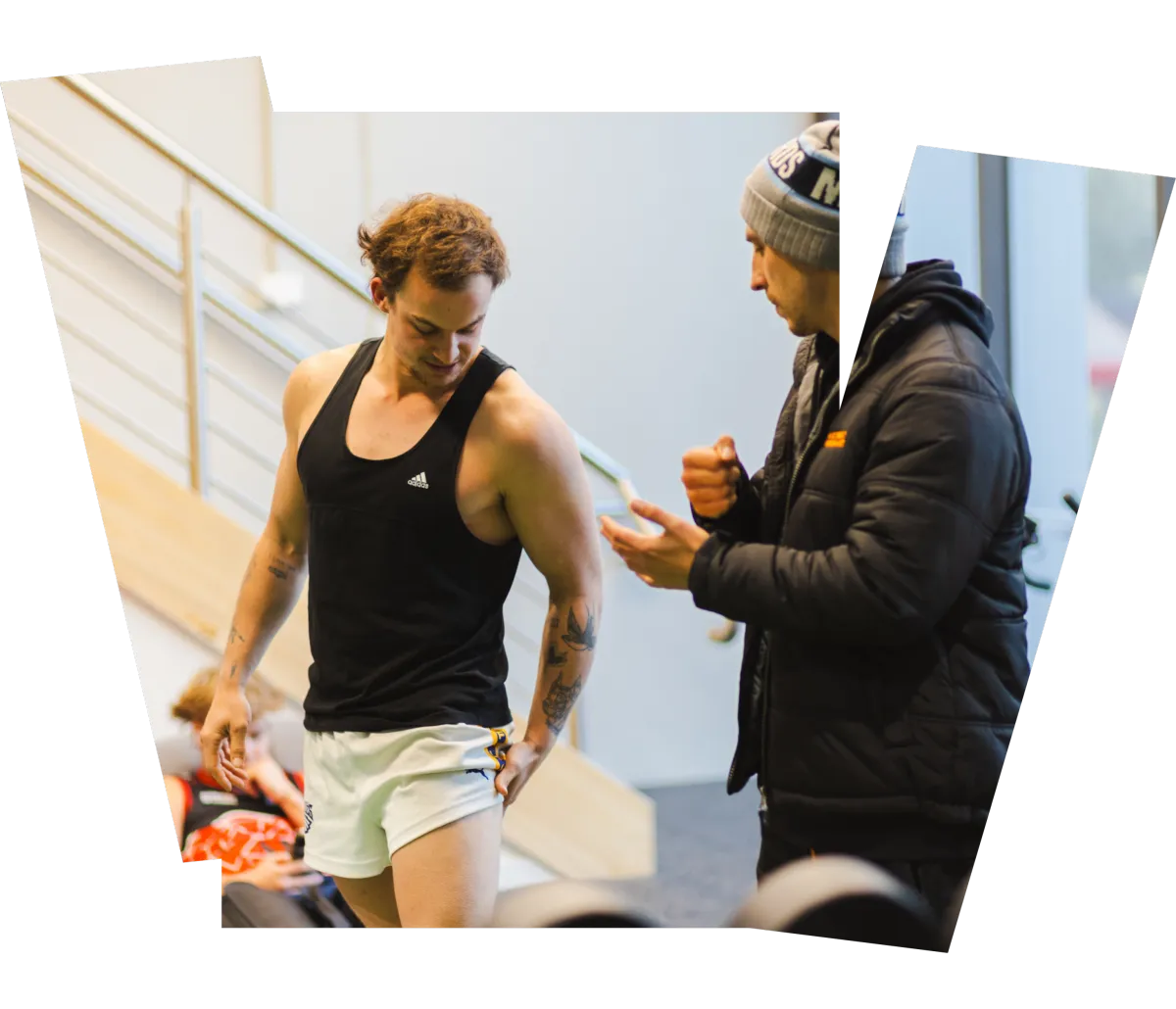
Excellent coaching and great programs set made for improving performance in your chosen sport, good facility and awesome vibes. - Angus
You Play Sport,
We Do The Rest.
Our Performance Consultants Are In The Corner Of Every Aspiring Athlete. We Provide A Complete System For Sports Performance, With Strength & Conditioning, Sports Physiotherapy, Concussion Management and Recovery Services At Our Facility.
Our Physios Have Been Trusted By








01

Athlete Performance Program
High Performance Training Throughout Your Entire Season.
Sports Physio
Sport Specific Injury Management & Prevention

03
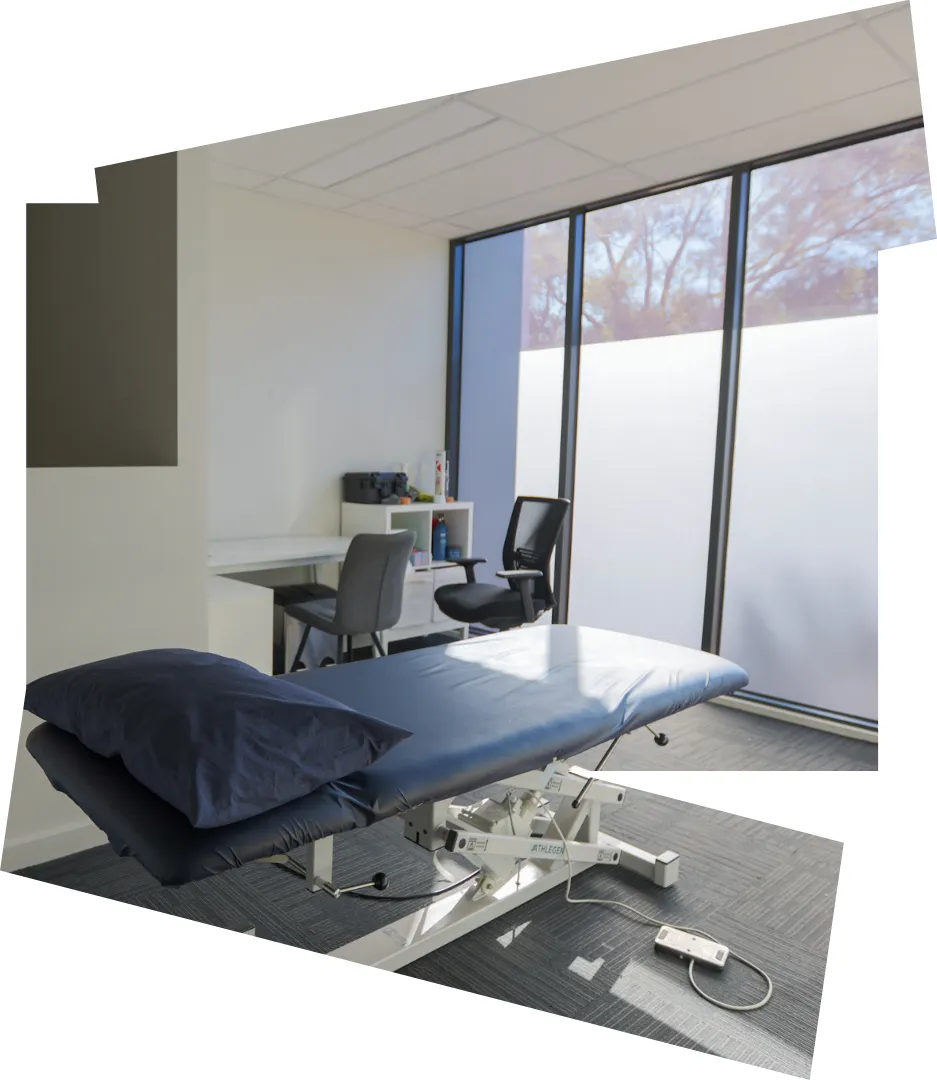
Concussion Clinic
Keeping Your Brain Safe With Up To Revolutionary Concussion Care
01
Athlete Performance Program
High Performance Training Throughout Your Entire Season.
02
Sports Physio
Sport Specific Injury Management & Prevention
03
Concussion Clinic
Keeping Your Brain Safe With Up To Revolutionary Concussion Care
Performance is for all of us.
We offer comprehensive coaching, team support, and science-backed tools to enhance every facet of life for all those we serve.
250+
5 Star Google Reviews
5,000+
Athletes Coached
15+
Professional Athletes
Pivot Sports Performance
Coaches prepare you and your teams for workplace success.
With our experts and your commitment, athletes at our Bundoora & Ringwood facilities will excel in sports performance.
Testimonial
Here's What People Are Saying


Blogs
Latest and Greatest
Return to Sport After Concussion: Why 21 Days Is Not Automatic Clearance
Return to Sport After Concussion: Why 21 Days Is Not Automatic Clearance
It is the question that gets louder in September: “The head knock was a couple of weeks ago, the player feels fine and a final is coming up. Can they play?”
For Melbourne community athletes, parents and coaches, the pressure is understandable. A player may be symptom-free, desperate to help their team and counting the days on a calendar. But a safe return to sport after concussion is not decided by the calendar alone.
Under the current May 2026 AFL community concussion guidelines, day 21 is the earliest an Australian football player may return to play. That is only after the player has recovered, completed the graded loading program and received medical clearance. Many players will need longer.
IMPORTANT This article provides general information, not individual medical clearance. A suspected concussion needs prompt assessment by a medical doctor. If urgent warning signs are present, call triple zero (000) or go to an emergency department. |
What the 21-day concussion rule actually means
Think of day 21 as a locked gate, not a booked return date. A player cannot return before it, and reaching it does not automatically open the gate.
The AFL pathway for community Australian football has four broad stages: a short period of relative rest, recovery, graded loading and unrestricted return to play. The athlete must meet the progression criteria at each stage. Medical clearance is required before full-contact training, and the player must remain free of concussion-related symptoms at rest and with activity.
The Australian Sports Commission’s national concussion guidance takes the same conservative approach for youth and community sport. It specifies 14 days symptom-free at rest before contact-sport training and a minimum of 21 days before competitive contact. Individual sports may have code-specific processes, so athletes and clubs should follow the rules that apply to their sport as well as their clinician’s advice.
First: recognise, remove and refer
A player with a suspected concussion should be removed from the match or training session and should not return that day. Loss of consciousness is not required. Headache, dizziness, balance trouble, nausea, confusion, memory problems, unusual behaviour, sensitivity to light or noise, or simply “not feeling right” can all matter.
All suspected concussions in community football need prompt assessment by a medical doctor. A sideline tool can support recognition, but it does not replace diagnosis. There is no single app, scan, balance test or baseline score that can reliably diagnose concussion or clear an athlete by itself.
Know the urgent warning signs
Some signs may point to a more serious head or neck injury. According to Healthdirect Australia, urgent emergency assessment is needed for signs such as:
significant neck pain or tenderness with referral pain down arms
a seizure or convulsion
double vision
loss of consciousness or a deteriorating level of alertness
weakness, tingling or burning in the arms or legs
vomiting or a severe or worsening headache
increasing restlessness, agitation or combative behaviour
Call triple zero (000) or go to the nearest emergency department if these signs are present.
When in doubt, treat the situation cautiously.
Recovery is active, but it must be controlled
Older advice often sounded like “rest in a dark room until every symptom disappears”. Current evidence does not support prolonged strict rest. The international concussion consensus statement recommends relative rest for the first 24–48 hours, followed by a gradual return to safe physical and cognitive activity as tolerated.
Relative rest still allows ordinary activities of daily living. Screen time may be reduced early, and gentle walking may be appropriate when it causes no more than a mild and brief increase in symptoms. After that early window, carefully prescribed activity can form part of treatment.
That does not mean “train through it”. Contact, collision and fall risk remain off limits. The point is to find a safe dose of activity, observe the response during the session and the following day, and progress only when the relevant criteria are met.
How graded return to sport works in community football
The May 2026 AFL guideline moves from recovery activity into a structured football-loading phase. The detail should be individualised, but the pathway broadly looks like this:
Relative rest for 1–2 days. Gentle day-to-day activity is guided by symptoms. The player then progresses rather than extending complete rest indefinitely.
Daily activity and light aerobic exercise. Short walks, then slow-to-medium walking, jogging or cycling are introduced. There are no team drills or resistance training at these early steps.
Moderate, then high-intensity aerobic exercise. Workload increases in a controlled way. Gentle resistance training can begin later in recovery when appropriate. Symptoms and next-day response still guide progression.
Non-contact team training. The AFL guideline requires at least seven days of non-contact team training, including two to three sessions with recovery days between football sessions.
Limited and controlled contact. The player progresses through at least seven days of graded contact training. They must remain symptom-free, feel confident and obtain medical clearance before full contact.
Full-contact training, then competition. The athlete needs to tolerate full training without symptoms or delayed problems and feel ready to play. Day 21 remains the earliest possible match return, not a promise.
Return to learn and work matters too
A student-athlete may look physically well while still struggling with concentration, reading, noise, screens or a full school day. Return to learn and return to sport can progress alongside each other, but a young athlete should be back to learning without concussion-related adjustments before unrestricted sport.
Short-term supports might include reduced screen exposure, rest breaks, a modified timetable, extra time for tasks or avoiding physical education activities with contact or fall risk. These adjustments should be coordinated with the treating team and school, then reduced as the student recovers.
For adults, the same principle applies to work. Someone who cannot yet tolerate their normal cognitive or physical workload is not ready to treat a football match as the final test.
Feeling fine is important, but it is not the only checkpoint
Symptoms are one part of recovery. A clinician may also consider exertion tolerance, balance, eye movement and visual processing, the neck, the vestibular system, cognition and the athlete’s confidence. Computerised testing or a pre-season baseline may add context, but it should never be used alone to make a return decision.
At Pivot’s concussion management clinic, physiotherapy-guided rehabilitation may address exercise tolerance, neck symptoms, dizziness, balance, visual or vestibular issues and a graded return to activity. This work complements medical assessment; medical doctors remain responsible for diagnosis and the clearance required before full-contact training.
What if symptoms return or recovery stalls?
If concussion-related symptoms reappear during graded loading, the player should stop progressing, return to the previous symptom-free level and seek medical review. Trying to “push through” because a final is close can hide useful information and delay the right adjustment.
Recovery varies. Previous concussions, migraine history, neck injury, sleep, mood and other health or life factors may influence the path. The AFL guideline recommends specialist care and rehabilitation when symptoms last longer than four weeks or when the athlete cannot progress. Earlier review is appropriate whenever symptoms worsen, new concerns appear or the plan is not working.
A practical checklist for players, parents and coaches
Remove any player with suspected concussion and do not allow same-day return.
Arrange prompt assessment by a medical doctor and share details of the incident.
Watch for urgent warning signs and call 000 when required.
Tell the school, workplace and any other sporting teams about the concussion.
Use relative rest initially, then follow an individual, symptom-guided recovery plan.
Complete every graded loading stage; do not treat day 21 as an automatic clearance date.
Obtain medical clearance before full-contact training and follow the rules for the relevant sport.
Make the return decision about the athlete, not the fixture
Missing a final is difficult. Missing more sport, school or work because recovery was rushed can be much harder. A good concussion plan replaces guesswork with staged exposure, clear communication and appropriate medical oversight.
If you need support with concussion assessment and rehabilitation in Melbourne, book a concussion management assessment with Pivot Sports Performance in Bundoora or Ringwood. The team can help coordinate a measured return to learn, work and sport alongside your medical practitioner.

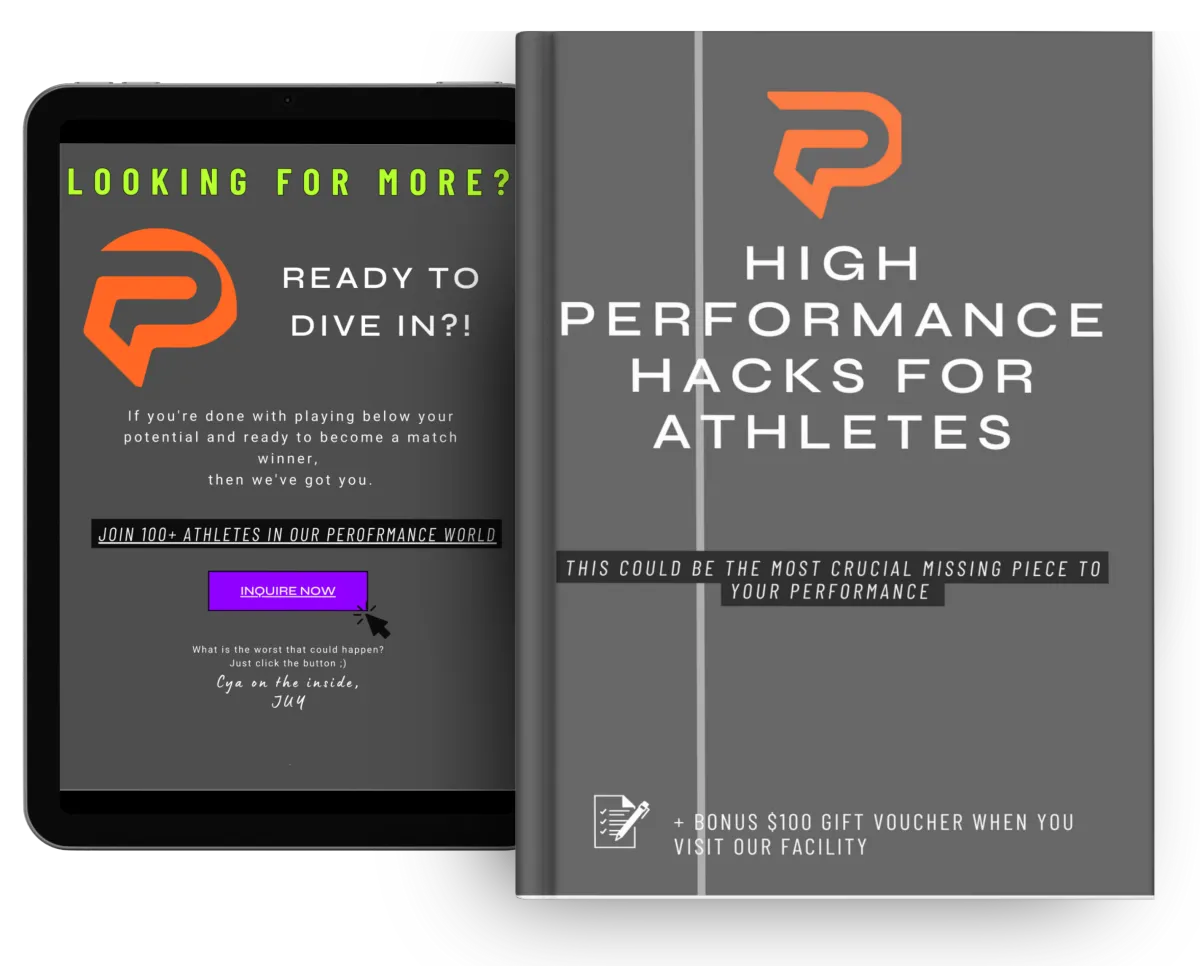
Download Your
High Performance Hacks Here

Do you like the look of working with us?
Contact Us
We’d love to hear from you. We consult for individual athletes and sports teams. Tell us what you’re looking for, and we’ll guide you to the services that are right for you (even if that's not with us!).


Bundoora Location
23-25 Clements Avenue, Bundoora VIC 3083
Ringwood Location
Unit 1/7 Oban Rd, Ringwood VIC 3134
Bundoora Location
29 Clements Ave, Bundoora VIC 3083
Ringwood Location
Unit 1/7 Oban Road, Ringwood, 3134
Website & Marketing Powered By Gymini