Everything An Athlete Needs
In One Place
Our Strength and Conditioning Gym & Sports Rehab Facilities In Bundoora & Ringwood Help You Get Back To Sport & Maximise Your Performance
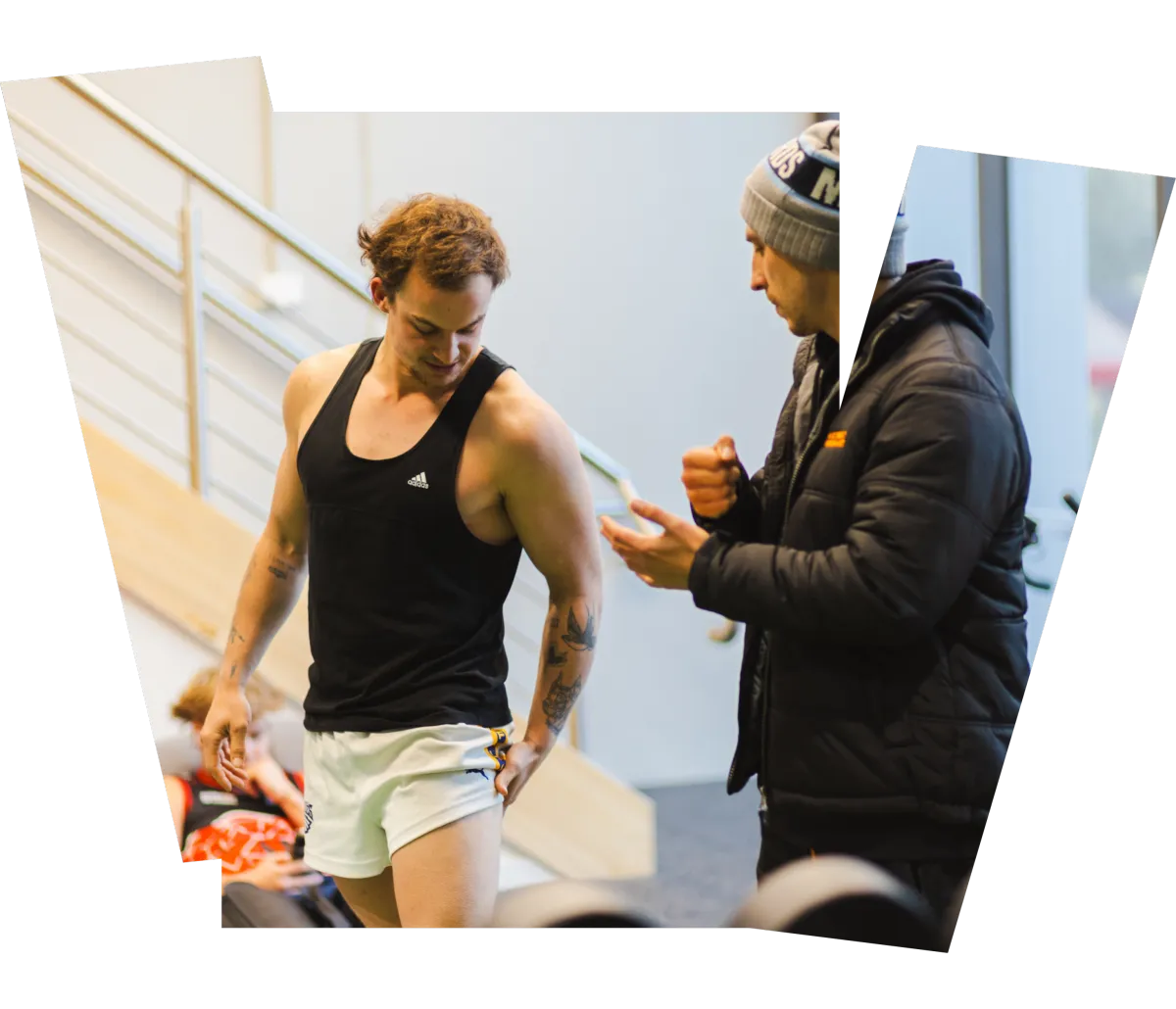
Excellent coaching and great programs set made for improving performance in your chosen sport, good facility and awesome vibes. - Angus
You Play Sport,
We Do The Rest.
Our Performance Consultants Are In The Corner Of Every Aspiring Athlete. We Provide A Complete System For Sports Performance, With Strength & Conditioning, Sports Physiotherapy, Concussion Management and Recovery Services At Our Facility.
Our Physios Have Been Trusted By







01

Athlete Performance Program
High Performance Training Throughout Your Entire Season.
Sports Physio
Sport Specific Injury Management & Prevention

03
Concussion Clinic
Keeping Your Brain Safe With Up To Revolutionary Concussion Care
01
Athlete Performance Program
High Performance Training Throughout Your Entire Season.
02
Sports Physio
Sport Specific Injury Management & Prevention
03
Concussion Clinic
Keeping Your Brain Safe With Up To Revolutionary Concussion Care
Performance is for all of us.
We offer comprehensive coaching, team support, and science-backed tools to enhance every facet of life for all those we serve.
250+
5 Star Google Reviews
5,000+
Athletes Coached
15+
Professional Athletes
Pivot Sports Performance
Coaches prepare you and your teams for workplace success.
With our experts and your commitment, athletes at our Bundoora & Ringwood facilities will excel in sports performance.
Testimonial
Here's What People Are Saying


Blogs
Latest and Greatest
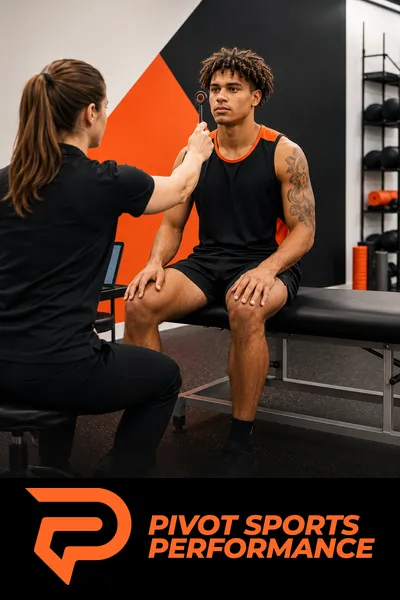
Sports Concussion Melbourne: The First 48 Hours
Sports Concussion in Melbourne: What to Do in the First 48 Hours
A player takes a heavy knock, gets up slowly and says they are fine. The match is close. Finals are here. Everyone wants a quick answer: can they go back on?
The safe answer is simpler than the situation feels. If concussion is suspected, remove the athlete from play and do not let them return that day. Concussion is a brain injury, symptoms can evolve, and a player does not need to be knocked unconscious to be concussed.
For Melbourne families and clubs, the first 48 hours are not about proving toughness or predicting a return date. They are about recognising danger, arranging appropriate medical assessment and supporting a calm, gradual recovery. The national message is clear: if in doubt, sit them out.
What is a sports concussion?
A concussion can follow a direct hit to the head, face or neck, or a force to the body that transmits to the head. It can temporarily affect thinking, balance, vision, mood, sleep and physical function. There is no single symptom or sideline test that can safely rule it out in every athlete.
Common signs include headache, pressure in the head, dizziness, nausea, balance problems, blurred vision, sensitivity to light or noise, feeling slowed down, confusion, memory difficulty, unusual emotion or irritability. Symptoms may be obvious immediately, subtle, or noticed later by the athlete, family or teammates.
Important: Loss of consciousness is not required for concussion. When symptoms or signs raise suspicion, keep the athlete out and seek medical assessment.
What should happen immediately after a head knock?
Stop play and remove the athlete. They should not return to the same match or training session when concussion is suspected.
Check immediate safety. First-aid priorities come first. Avoid moving an athlete with possible neck injury unless required for safety, breathing or circulation.
Look for urgent warning signs. A concussion can occur alongside a more serious head or neck injury.
Keep them with a responsible adult. Do not leave them alone, let them drive, drink alcohol or make their own return-to-play decision.
Arrange medical assessment. A clinician needs the story of the impact, observed signs, symptoms, previous concussions and relevant health history.
A coach, trainer or parent can recognise a suspected concussion and remove the athlete. Diagnosis, medical management and clearance require appropriately qualified health professionals and must follow the athlete’s sport rules.
Concussion red flags: when to call 000 or go to emergency
Call triple zero (000) or seek emergency care if an athlete has a deteriorating level of consciousness, seizure, repeated vomiting, severe or worsening headache, increasing confusion or agitation, double vision, weakness or tingling in the arms or legs, significant neck pain or another sign of serious injury. See the full Australian lists from Concussion in Australian Sport and Healthdirect.
Do not use an online article to decide that a serious head injury is “only concussion”. If the person is confused or unconscious, or you are worried about rapid change, call 000.
The first 24–48 hours: relative rest, not total shutdown
Current Australian guidance supports a short period of relative physical and cognitive rest. That means reducing activities that clearly worsen symptoms while maintaining a safe, low level of daily activity. It does not usually mean lying in a dark room for days or avoiding every sound, conversation and movement.
Stay with a responsible adult and follow the medical advice provided.
Avoid driving, alcohol, contact sport and activities with a risk of another head impact.
Prioritise sleep, regular meals, fluids and a quiet routine.
Limit screens, gaming, study or work if they aggravate symptoms, particularly early on.
Use light daily activity, such as a gentle walk, only within the limits advised by the treating clinician.
Track changes in headache, dizziness, nausea, concentration, mood, sleep and balance.
Strict rest beyond the early period can delay normal recovery for some people. After 24–48 hours, activity is generally reintroduced gradually, provided it does not cause a significant and sustained worsening of symptoms. The exact plan should reflect the athlete’s symptoms, age, health history and clinical assessment.
Return to learn comes before return to contact sport
For children and teenagers, successful return to school is a key recovery goal. The Royal Children’s Hospital Melbourne recommends a gradual return, with adjustments such as shorter days, rest breaks, reduced screen exposure, extra time for work or delayed tests where needed.
School does not have to wait until every mild symptom has disappeared. The aim is to increase learning in manageable steps, without a significant or prolonged symptom flare. Teachers, parents and clinicians should share the same plan so the student is not caught between conflicting expectations.
Sport-specific activity can also progress in stages, beginning below the risk of contact or collision. Contact training and competition come later, after symptoms have resolved, the graded process has been completed and the required medical clearance has been obtained.
What does the 21-day rule actually mean?
Under the Australian community and youth framework, the athlete must be symptom-free for 14 days before returning to contact training and cannot return to competitive contact sport in less than 21 days from the concussion. The AFL’s May 2026 community guidelines apply this conservative approach to Australian football.
Twenty-one days is a minimum, not a promised return date. An athlete who still has symptoms, has not returned to school or work normally, or has not completed the graded stages is not ready simply because the calendar has reached day 21. Some sports, schools or competitions may have additional requirements.
For adults managed in advanced care settings, progression may differ and should be individually directed. No article, app or baseline score replaces clinical judgement or medical clearance.
How concussion physiotherapy can support recovery
Concussion recovery can involve more than waiting for a headache to settle. Depending on assessment findings, a trained physiotherapist may contribute to graded exercise, neck rehabilitation, balance work, vestibular or eye-movement rehabilitation, symptom monitoring and the physical stages of return to training. More complex cases may need a multidisciplinary team.
Pivot Sports Performance offers concussion management in Melbourne alongside sports physiotherapy, performance testing and strength and conditioning. That integrated setting can help coordinate the move from early assessment to exercise progression and sport-specific preparation, while working with medical practitioners where diagnosis or clearance is required.
Baseline testing can add useful pre-injury information, but it does not prevent concussion or diagnose it by itself. Read more about what concussion baseline testing involves.
When should symptoms be reviewed again?
Seek review sooner if symptoms worsen, new symptoms appear or recovery is not progressing as expected. Children still needing support to return to everyday activities after two weeks should be reviewed by their GP, according to the Royal Children’s Hospital. Symptoms persisting for four weeks or more, repeated concussions, a lower apparent threshold for injury or difficulty progressing through return-to-sport stages warrant experienced medical review and may require multidisciplinary care.
A simple match-day checklist for parents and coaches
Suspect concussion? Remove the athlete and keep them out for the day.
Check for red flags and call 000 when urgent signs are present.
Keep the athlete with a responsible adult and arrange medical assessment.
Use relative rest for 24–48 hours, following the clinician’s advice.
Build school, work and normal daily activity before contact sport.
Complete the graded return and required medical clearance; do not treat day 21 as an automatic green light.
The free HeadCheck app can also help parents, coaches, first aiders and carers recognise signs and follow evidence-based recovery guidance.
Need a clear plan after a sports concussion in Melbourne?
Pivot Sports Performance supports athletes, families and clubs in Bundoora and Ringwood with concussion assessment and rehabilitation pathways. Contact the Pivot team to discuss the right next step.
This article provides general information only. It does not diagnose concussion, replace medical assessment or clear an individual to return to sport.

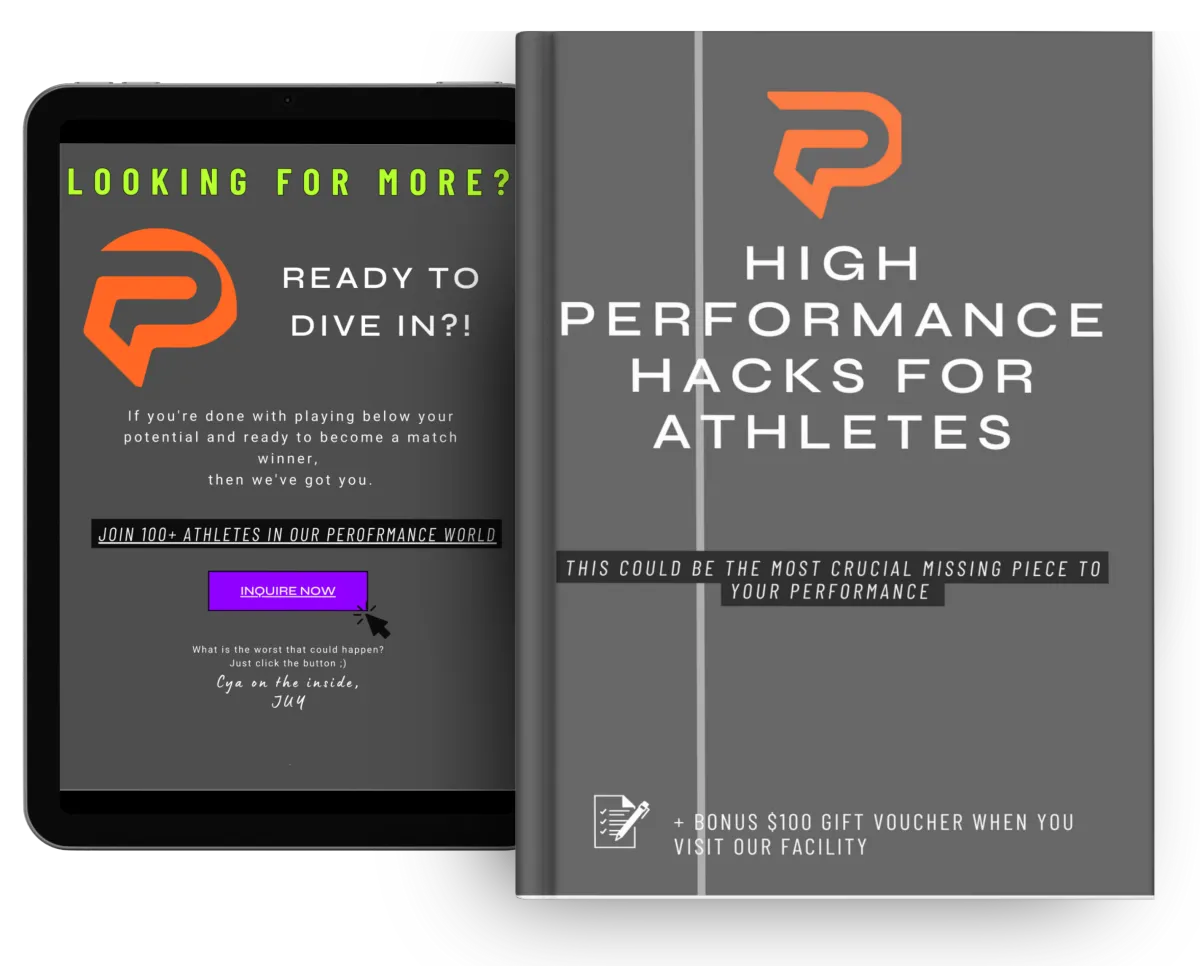
Download Your
High Performance Hacks Here

Do you like the look of working with us?
Contact Us
We’d love to hear from you. We consult for individual athletes and sports teams. Tell us what you’re looking for, and we’ll guide you to the services that are right for you (even if that's not with us!).


Bundoora Location
23-25 Clements Avenue, Bundoora VIC 3083
Ringwood Location
Unit 1/7 Oban Rd, Ringwood VIC 3134
Bundoora Location
29 Clements Ave, Bundoora VIC 3083
Ringwood Location
Unit 1/7 Oban Road, Ringwood, 3134
Website & Marketing Powered By Gymini