
Everything An Athlete Needs
In One Place
Our Strength and Conditioning Gym & Sports Rehab Facilities In Bundoora & Ringwood Help You Get Back To Sport & Maximise Your Performance

Excellent coaching and great programs set made for improving performance in your chosen sport, good facility and awesome vibes. - Angus
You Play Sport,
We Do The Rest.
Our Performance Consultants Are In The Corner Of Every Aspiring Athlete. We Provide A Complete System For Sports Performance, With Strength & Conditioning, Sports Physiotherapy, Concussion Management and Recovery Services At Our Facility.
Our Physios Have Been Trusted By












01

Athlete Performance Program
High Performance Training Throughout Your Entire Season.
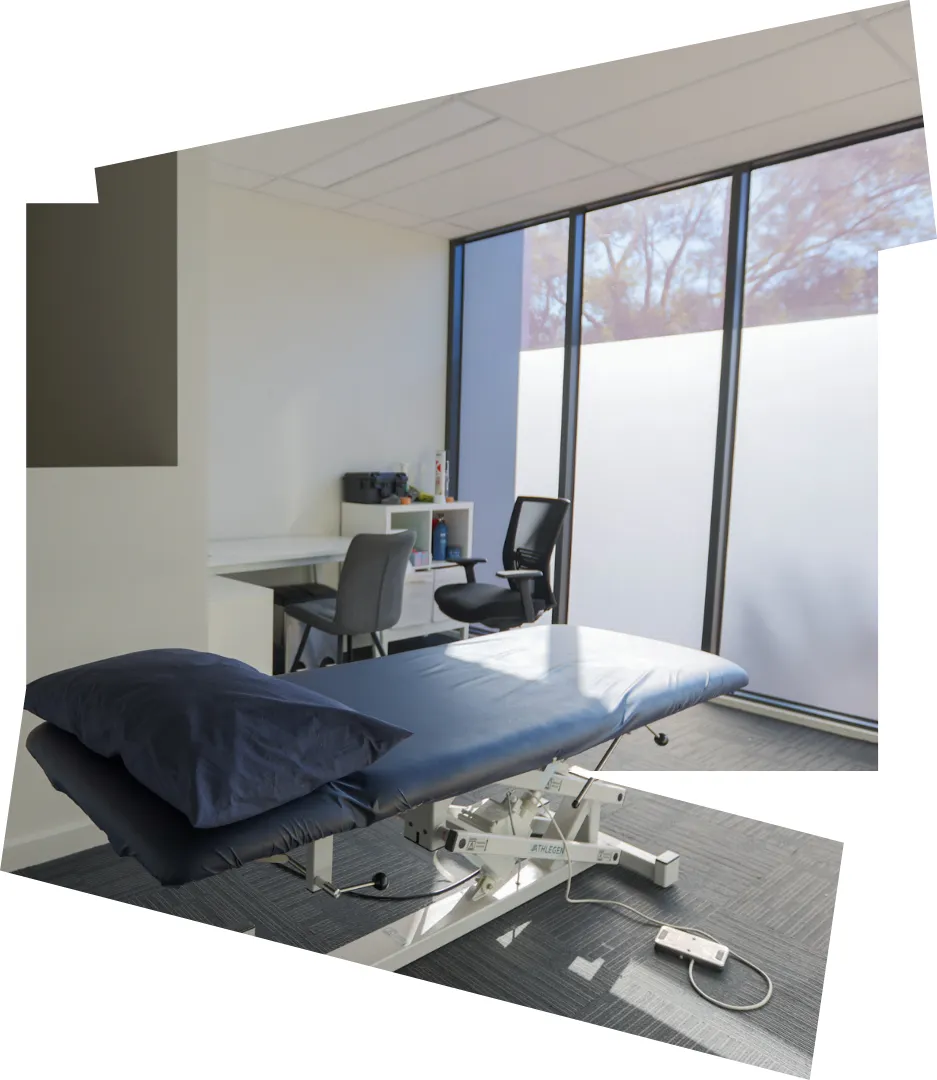
Sports Physio
Sport Specific Injury Management & Prevention

03
Concussion Clinic
Keeping Your Brain Safe With Up To Revolutionary Concussion Care
01
Athlete Performance Program
High Performance Training Throughout Your Entire Season.
02
Sports Physio
Sport Specific Injury Management & Prevention
03
Concussion Clinic
Keeping Your Brain Safe With Up To Revolutionary Concussion Care
Performance is for all of us.
We offer comprehensive coaching, team support, and science-backed tools to enhance every facet of life for all those we serve.
300+
5 Star Google Reviews
5,000+
Athletes Coached
15+
Professional Athletes
Pivot Sports Performance
Our Coaches Prepare You And Your Team To Perform On Game Day.
With our experts and your commitment, athletes at our Bundoora & Ringwood facilities will excel in sports performance.
Blogs
Latest and Greatest

Cricket Strength and Conditioning Melbourne | Pivot
Cricket strength and conditioning in Melbourne: how to train during the season
Saturday’s match runs long. Nets are on Tuesday and Thursday. Somewhere in between there is work, study, family and the gym session you meant to do. Sound familiar?
Once cricket season starts, strength training can feel like one commitment too many. Yet stopping altogether is not the only option. A manageable plan can help you keep working on strength while leaving room for the cricket you enjoy and the recovery you need.
Here is a practical guide to cricket strength and conditioning in Melbourne, whether you bat, bowl, keep wickets or simply want to feel more prepared for a day in the field. This is general information, not an individual training prescription. Your starting point, schedule and health matter.
Why keep strength training during cricket season?
Cricket asks different things of different players: accelerating between wickets, changing direction in the field, repeated bowling, throwing and spending long periods on your feet. General strength training can develop physical capacity that supports these activities, although no exercise guarantees better scores or prevents injury.
In a small study of 12 male English county cricketers, strength, jump and sprint measures fell across the competitive season after improving during pre-season. The study observed those players; it cannot tell us exactly what will happen to every community cricketer or prove that one particular routine will prevent a decline.
The useful takeaway is simpler: playing matches alone may not replace all the strength work you did before the season. A plan that fits your week is worth considering.
Start with your whole week
Before adding exercises, write down your match, nets and other training. Include physically demanding work, travel, sleep and family commitments. For bowlers, count bowling at nets and in matches rather than treating the gym as your only workload.
Then ask: when am I usually freshest? When do I need to feel ready to play? How did I recover from the last match? If a session regularly leaves you too sore for cricket or daily life, it may need a change in timing, exercise selection or amount.
An established player might fit one or two full-body sessions into a normal week. A newcomer may start with a short, supervised session and build gradually. Neither number guarantees that strength will be maintained. Cricket NSW’s strength guidance recommends organised training at least twice a week, but the right starting point depends on experience, cricket load and recovery. A coach can help adapt that guidance to real life.
What should a cricket gym session include?
You do not need a separate exercise for every cricket skill. Begin with a few movements you can perform well and adjust the difficulty to suit you. Cricket NSW describes foundational patterns including squatting, hinging, lunging, pushing, pulling and trunk bracing.
Squat or sit-to-stand. A bodyweight squat, goblet squat or controlled sit-to-stand trains the legs. Choose a range and load you can control.
Hip hinge. A light Romanian deadlift or another coached hinge works the hips and back of the legs. Practise the movement before adding load.
Single-leg movement. A step-up or supported split squat can challenge each leg. Use support for balance and keep the movement comfortable.
Push and pull. A wall or bench push-up and a row are examples of upper-body work. A coach can adapt the position and resistance to your shoulders and experience.
Trunk control. A side plank or a controlled carry can challenge the trunk. Good technique matters more than holding on until form breaks down.
These are examples, not a complete program. You do not need to do every movement in every session. Start with a manageable amount, leave repetitions in reserve and build gradually with guidance. Avoid trying unfamiliar heavy lifts just before a match. If an exercise causes concerning pain, stop and seek advice.
How can I fit training around match day?
There is no perfect calendar for every player. As a starting idea for a Saturday match, a player who has recovered from the weekend might schedule a full-body session earlier in the week and keep the day before the game lighter. Someone with a demanding Tuesday net session, a Sunday match or an irregular roster will need a different arrangement.
A review of professional coaching practice found coaches commonly allowed around 48 hours between strength work and competition, but this is a planning reference, not a universal recovery rule. Your response to the session, training history and upcoming match matter more than following a fixed number. See the review of coaching practices.
After a heavy match or an unusually demanding bowling spell, consider shortening or moving the next session. If the week is crowded, a shorter, well-planned workout may be more realistic than trying to make up missed sessions all at once. A review of lower-volume training in team sports suggests some lower-volume approaches can be useful, but the evidence is very low certainty and does not establish an ideal dose for every cricketer.
Do batters, bowlers and wicketkeepers need different plans?
The foundations overlap, but the emphasis can change. A batter may want to work on lower-body strength and movement between wickets. A bowler’s plan should account for bowling volume, recovery and any symptoms. A wicketkeeper may want to build tolerance for repeated low positions and movements. Fielding and throwing matter across roles.
None of this means copying a professional player’s programme. A coach can take your role, current training, previous injuries and goals into account. For junior fast bowlers, follow the applicable competition’s bowling and workload rules; gym training does not replace them.
What about teenage cricketers?
Young athletes can learn strength movements with appropriate supervision, equipment and an age-appropriate progression. The focus should be on sound technique, enjoyment and gradual development rather than chasing maximum weights or copying an adult’s program.
Parents and coaches should look at the whole schedule, including school sport, club cricket and other activities. A growing athlete who is persistently sore, unusually fatigued or struggling to recover needs a conversation and, where appropriate, assessment. In particular, a young fast bowler with back pain should stop bowling and seek assessment rather than bowling through it.
Recovery and warm-weather cricket
Training is only one part of the week. Make time for sleep, regular meals, fluids and easier periods. On hot days, plan around conditions and follow your club’s policy. Australian Cricket’s community weather guidance considers heat, humidity, wind and sun exposure, and provides actions for breaks, cooling and suspending play when required.
Do not try to push through dizziness, confusion or feeling faint in the heat. Stop, move to a cool place and get help. Confusion, collapse or suspected heat stroke is an emergency: call 000 and start cooling while awaiting help.
When should I seek support?
Speak to a qualified health professional if pain is persistent, worsening, affecting your technique or returning whenever you bowl, run or lift. New swelling, an inability to bear weight, or significant pain after an injury warrants prompt assessment. A physiotherapist can help assess the problem and discuss an appropriate path back to activity; a coach can help adjust training around it.
You do not have to wait for an injury to ask for help with a plan. Pivot offers strength and conditioning coaching and sports physiotherapy, with facilities in Bundoora and Ringwood. Visit Pivot Sports Performance to discuss a programme that fits your cricket, experience and week.

Download Your
High Performance Hacks Here


Do you like the look of working with us?
Contact Us
We’d love to hear from you. We consult for individual athletes and sports teams. Tell us what you’re looking for, and we’ll guide you to the services that are right for you (even if that's not with us!).



Bundoora Location
29 Clements Avenue, Bundoora VIC 3083
Ringwood Location
Unit 1/7 Oban Road, Ringwood VIC 3134
Bundoora Location
29 Clements Avenue, Bundoora VIC 3083
Ringwood Location
Unit 1/7 Oban Road, Ringwood VIC 3134
Website & Marketing Powered By Gymini