
Everything An Athlete Needs
In One Place
Our Strength and Conditioning Gym & Sports Rehab Facilities In Bundoora & Ringwood Help You Get Back To Sport & Maximise Your Performance
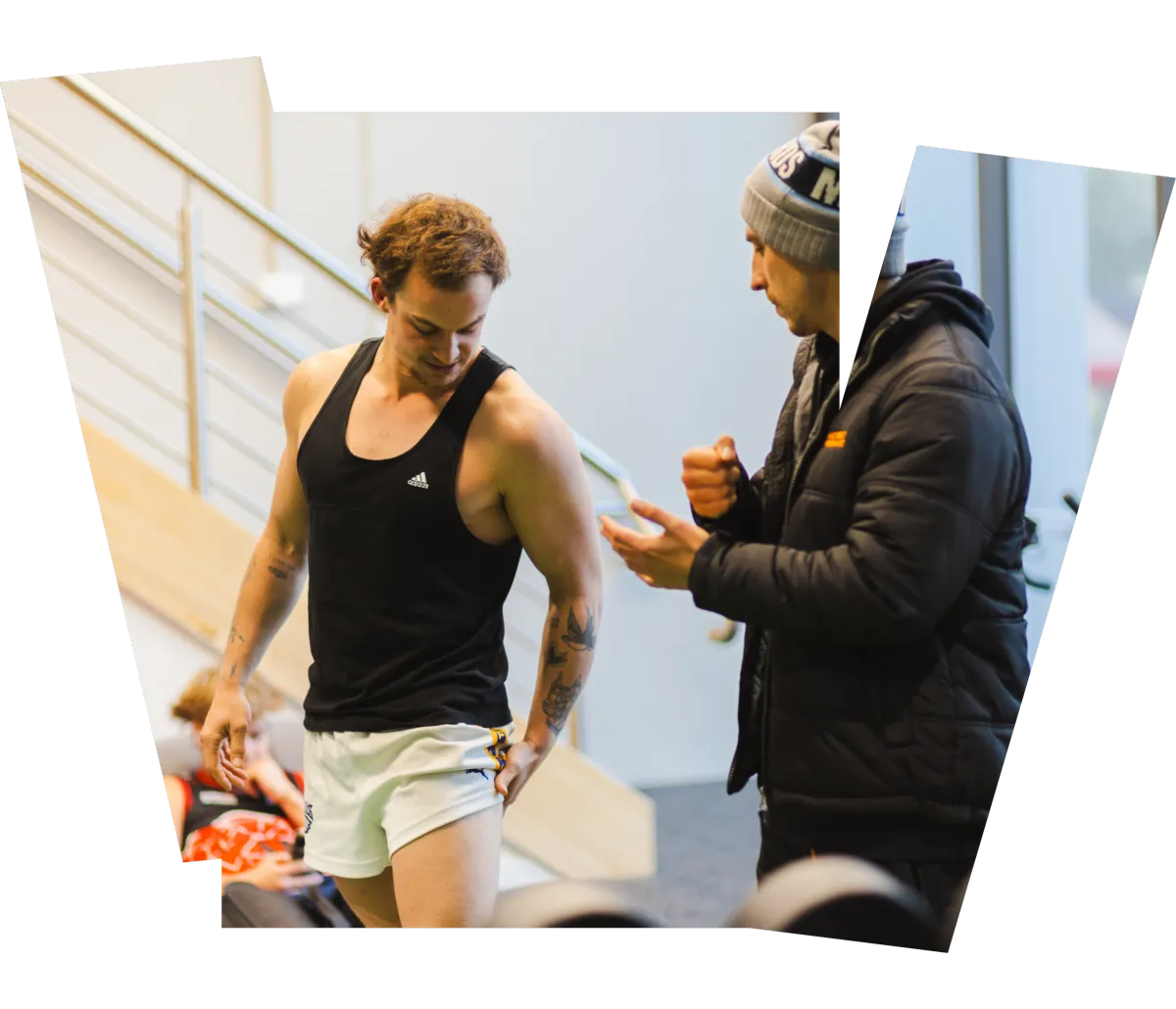
Excellent coaching and great programs set made for improving performance in your chosen sport, good facility and awesome vibes. - Angus
You Play Sport,
We Do The Rest.
Our Performance Consultants Are In The Corner Of Every Aspiring Athlete. We Provide A Complete System For Sports Performance, With Strength & Conditioning, Sports Physiotherapy, Concussion Management and Recovery Services At Our Facility.
Our Physios Have Been Trusted By











01

Athlete Performance Program
High Performance Training Throughout Your Entire Season.
Sports Physio
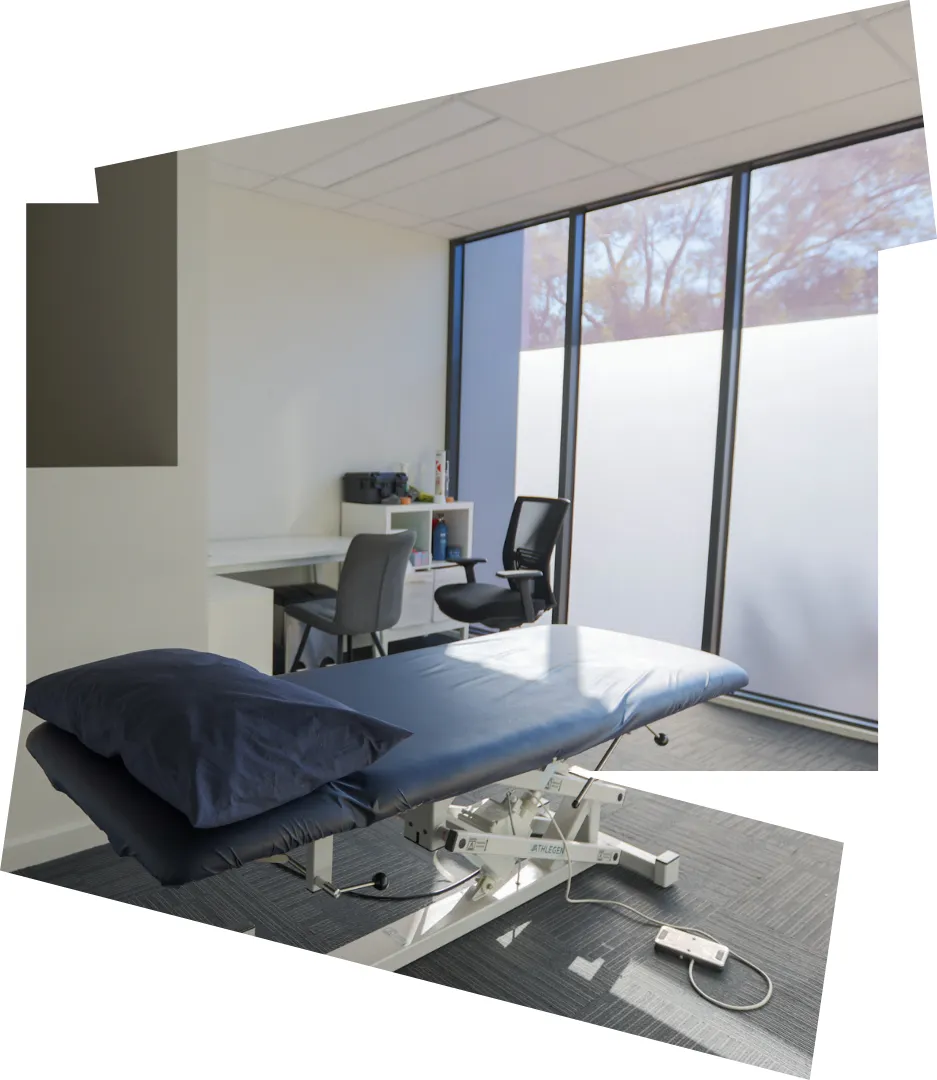
Sport Specific Injury Management & Prevention

03
Concussion Clinic
Keeping Your Brain Safe With Up To Revolutionary Concussion Care
01
Athlete Performance Program
High Performance Training Throughout Your Entire Season.
02
Sports Physio
Sport Specific Injury Management & Prevention
03
Concussion Clinic
Keeping Your Brain Safe With Up To Revolutionary Concussion Care
Performance Is for All of Us.
We offer comprehensive coaching, team support, and science-backed tools to enhance every facet of life for all those we serve.
300+
5 Star Google Reviews
5,000+
Athletes Coached
15+
Professional Athletes
Pivot Sports Performance
Our Coaches Prepare You And Your Team To Perform On Game Day.
With our experts and your commitment, athletes at our Bundoora & Ringwood facilities will excel in sports performance.
Blogs
Latest and Greatest
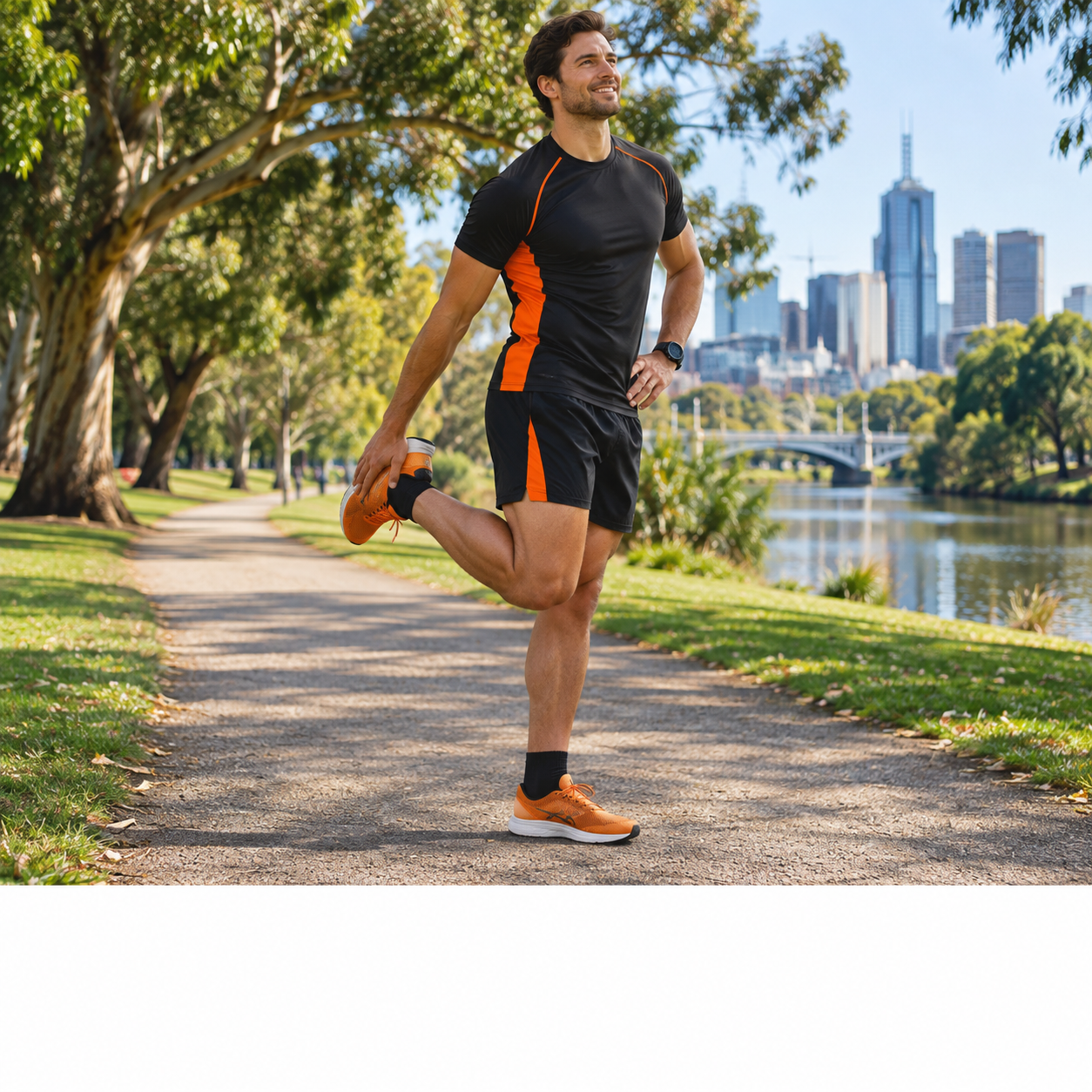
Achilles Pain Running in Melbourne | Pivot Sports Performance Physio
Achilles pain when running in Melbourne: what to do about that stiff first step
The first few steps out of bed feel stiff. By the time you reach the kitchen, the back of your heel feels easier. Later, you go for a run and wonder whether it is safe to keep going. Sound familiar?
Pain around the Achilles tendon can make a familiar run, court session or walk feel uncertain. The good news is that an ache does not automatically mean you must abandon every activity. It does mean your symptoms deserve attention, particularly if they are changing how you move or returning after exercise.
Here is a practical guide to Achilles pain when running, including signs that need urgent attention, ways to adjust training and what a sports physiotherapist can help you consider. It is general information, not a diagnosis or an individual exercise prescription.
What is the Achilles tendon?
The Achilles tendon connects the calf muscles to the heel bone. It helps you push off when walking, running and jumping. It experiences different demands when you add hills, accelerate, change direction or spend more time on your feet.
Achilles tendinopathy is one possible cause of pain in this area. It can involve the middle of the tendon or the point where the tendon attaches to the heel. But not all pain behind the ankle is tendinopathy: other tendon, heel and surrounding tissue problems can feel similar. A clinician can help work out what is going on rather than relying on a self-diagnosis.
What might Achilles tendinopathy feel like?
Symptoms can build gradually and may include localised pain or tenderness, stiffness on the first steps after rest, and discomfort during or after running or jumping. Some people notice swelling or thickening. Symptoms sometimes ease as they warm up and return afterwards or the next morning. That pattern can be useful information, but it does not confirm a diagnosis.
Consider the whole picture. Where is the pain: in the tendon above the heel, directly at its attachment, or elsewhere? When did it start? Is walking affected? Does it settle after activity or linger into the next day? A few notes can make the discussion with your clinician more useful. Sports Medicine Australia describes common Achilles symptoms and the importance of an accurate assessment.
When should you seek urgent help?
Stop the activity and seek urgent same-day medical assessment if you feel a sudden pop or a sensation like being kicked in the back of the leg, especially with sudden weakness, difficulty pushing off or trouble walking. These can be signs of an Achilles rupture. Do not test it by running, jumping or repeatedly stretching it. If you cannot get prompt assessment, attend an emergency department. A rupture is different from gradual-onset tendon pain and needs prompt diagnosis.
Seek prompt medical advice for a hot, red or markedly swollen calf, particularly with unexplained swelling. If calf symptoms occur with chest pain, shortness of breath or coughing blood, call 000. For pain that persists, worsens, affects walking or repeatedly returns with activity, arrange an assessment rather than guessing at the cause.
Should you keep running with Achilles pain?
There is no single answer for everyone. The right decision depends on the cause, how severe and irritable the symptoms are, and how your tendon responds over time. Some people can continue a modified amount of activity; others need to pause running while the injury is assessed. A sudden injury or the warning signs above are not a situation to run through.
For gradual symptoms without urgent warning signs, think about the recent demands on your legs. Have you added distance, hills, sprints, extra matches or a new shoe at the same time? Until you receive individual advice, it may be sensible to reduce or temporarily remove the activities that clearly aggravate symptoms. For example, swap a hard hill session for a shorter, easier flat session only if comfortable and symptoms are not worsening. Cycling or swimming may be alternatives if they are comfortable for you.
Pay attention during the activity, later that day and on the following morning. A worsening limp, increasing pain, or more stiffness that persists into the next day is a reason to scale back and seek advice. Pain that disappears during a warm-up is not, on its own, permission to add more training. Equally, complete rest for every person with tendon pain is not necessarily the answer.
Why calf strength is part of the conversation
Tendons need to tolerate the demands placed on them. For diagnosed midportion Achilles tendinopathy, the 2024 clinical practice guideline recommends tendon-loading exercise as a first-line treatment, with the load tailored to the person. This evidence is specific to midportion tendinopathy and should not be treated as a universal plan for every heel problem or a suspected rupture.
A rehabilitation plan may begin with a manageable calf exercise and progress over time. Your clinician can help choose the movement, range, resistance and frequency based on your diagnosis and response. For example, pain at the heel attachment may call for different exercise positioning from pain higher up the tendon. More repetitions, a deeper stretch or heavier weights are not automatically better.
Strength work is one part of a broader plan. Running volume, speed, hills, jumping, recovery, other health factors and your goals all matter. Progress is rarely perfectly linear. The aim is to build tolerance over time, not to force a painful tendon through a fixed internet challenge.
A practical way to review your week
Start with an honest snapshot of the last fortnight. Note the length and intensity of runs, gym sessions, games and any unusually long days standing or walking. Then identify the changes that came before symptoms appeared. It may be one large change or several smaller ones that arrived together.
Choose a level of activity you can manage without a worsening response and leave room for recovery. Rebuild gradually, changing one major demand at a time where practical. For a runner, that might mean establishing a comfortable flat route before reintroducing hills or faster intervals. For a court athlete, it might mean modifying the volume of jumping and changes of direction before a gradual return to full training. These are examples, not a clearance checklist.
If you are not sure what is manageable, or symptoms keep returning when you increase activity, a sports physiotherapist can help you develop a starting point and review your response. There is no guaranteed timeline: recovery depends on the person, the diagnosis and the demands they want to return to.
What happens at a sports physiotherapy appointment?
An assessment may include questions about how the pain started, your health and medication history, your training and goals, followed by an examination of movement, calf strength and the painful area. Your clinician may discuss whether another health professional or further investigation is appropriate. Imaging is not automatically needed for every case; that decision depends on the assessment.
Together, you can discuss what to keep, change or pause, and how to build back towards the activities that matter to you. A plan should fit real life: work, family, training days and access to equipment all count.
Frequently asked questions
Is morning stiffness always Achilles tendinopathy?
No. Morning stiffness can occur with Achilles tendinopathy, but it is not enough to establish the cause. A clinician can assess the location, history and other signs.
Should I stretch a painful Achilles?
Not every painful Achilles needs stretching, and forcing a deep stretch can aggravate some symptoms. Avoid testing or stretching a suspected rupture. Ask a clinician what is appropriate for the location and cause of your pain.
How long will recovery take?
It varies. Tendon rehabilitation often requires consistent work over time, and returning to demanding running or jumping may take longer than settling everyday symptoms. A tailored plan and regular review can help you decide when to progress, without promising a fixed outcome.
Take the next step
An Achilles problem does not have to dictate every training decision. If stiffness or pain is affecting your running, walking or sport, Pivot can help you understand the problem and plan the next step. Explore sports physiotherapy in Bundoora or sports physiotherapy in Ringwood, or book a sports physiotherapy appointment. For sudden pop, weakness or trouble pushing off, seek urgent medical assessment instead of waiting for a routine appointment.

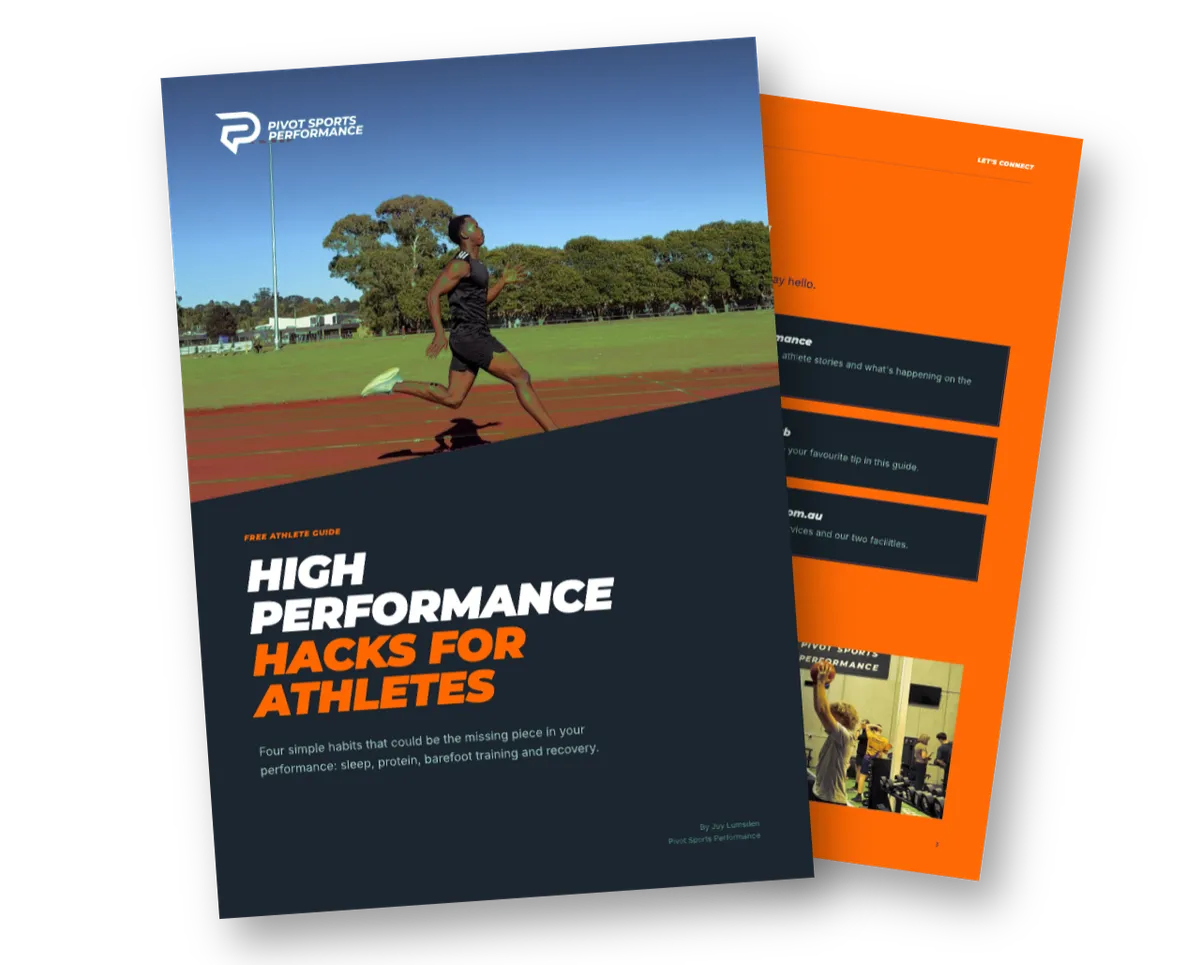
Download Your
High Performance Hacks Here

Do You Like the Look of Working with Us?
Contact Us
We’d love to hear from you. We consult for individual athletes and sports teams. Tell us what you’re looking for, and we’ll guide you to the services that are right for you (even if that's not with us!).



Bundoora Location
29 Clements Avenue, Bundoora VIC 3083
Ringwood Location
Unit 1/7 Oban Road, Ringwood VIC 3134
Bundoora Location
29 Clements Avenue, Bundoora VIC 3083
Ringwood Location
Unit 1/7 Oban Road, Ringwood VIC 3134
Website & Marketing Powered By Gymini