
Everything An Athlete Needs
In One Place
Our Strength and Conditioning Gym & Sports Rehab Facilities In Bundoora & Ringwood Help You Get Back To Sport & Maximise Your Performance
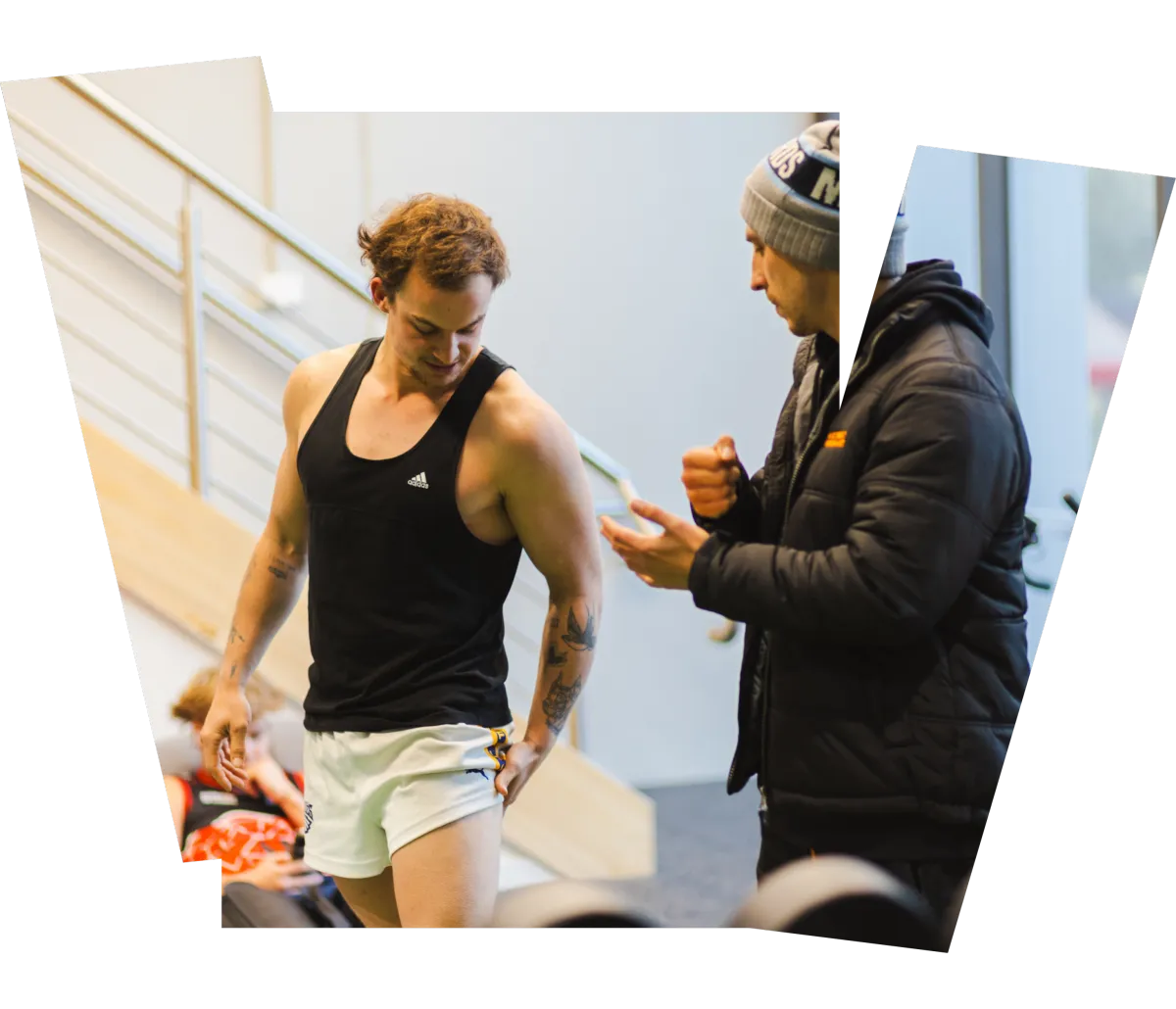
Excellent coaching and great programs set made for improving performance in your chosen sport, good facility and awesome vibes. - Angus
You Play Sport,
We Do The Rest.
Our Performance Consultants Are In The Corner Of Every Aspiring Athlete. We Provide A Complete System For Sports Performance, With Strength & Conditioning, Sports Physiotherapy, Concussion Management and Recovery Services At Our Facility.
Our Physios Have Been Trusted By












01

Athlete Performance Program
High Performance Training Throughout Your Entire Season.
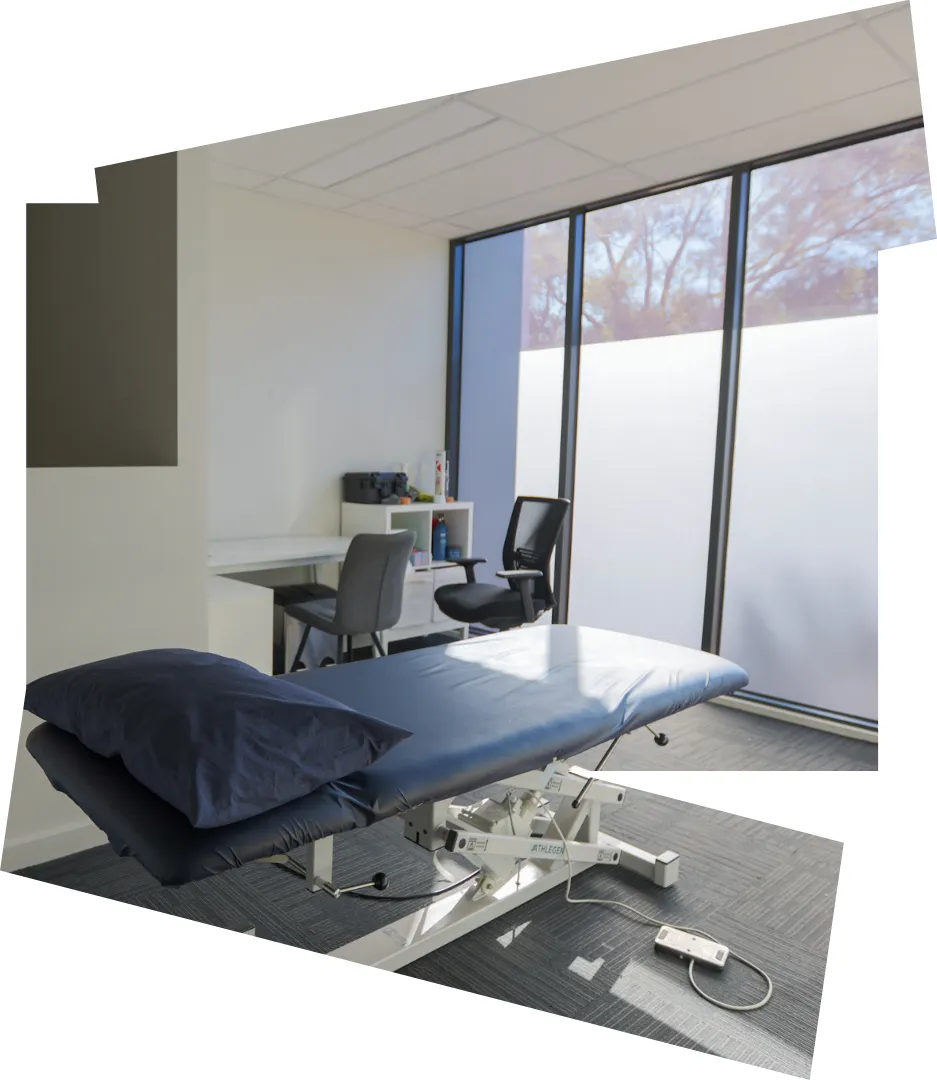
Sports Physio
Sport Specific Injury Management & Prevention

03
Concussion Clinic
Keeping Your Brain Safe With Up To Revolutionary Concussion Care
01
Athlete Performance Program
High Performance Training Throughout Your Entire Season.
02
Sports Physio
Sport Specific Injury Management & Prevention
03
Concussion Clinic
Keeping Your Brain Safe With Up To Revolutionary Concussion Care
Performance is for all of us.
We offer comprehensive coaching, team support, and science-backed tools to enhance every facet of life for all those we serve.
250+
5 Star Google Reviews
5,000+
Athletes Coached
15+
Professional Athletes
Pivot Sports Performance
Coaches prepare you and your teams for workplace success.
With our experts and your commitment, athletes at our Bundoora & Ringwood facilities will excel in sports performance.
Testimonial
Here's What People Are Saying


Blogs
Latest and Greatest
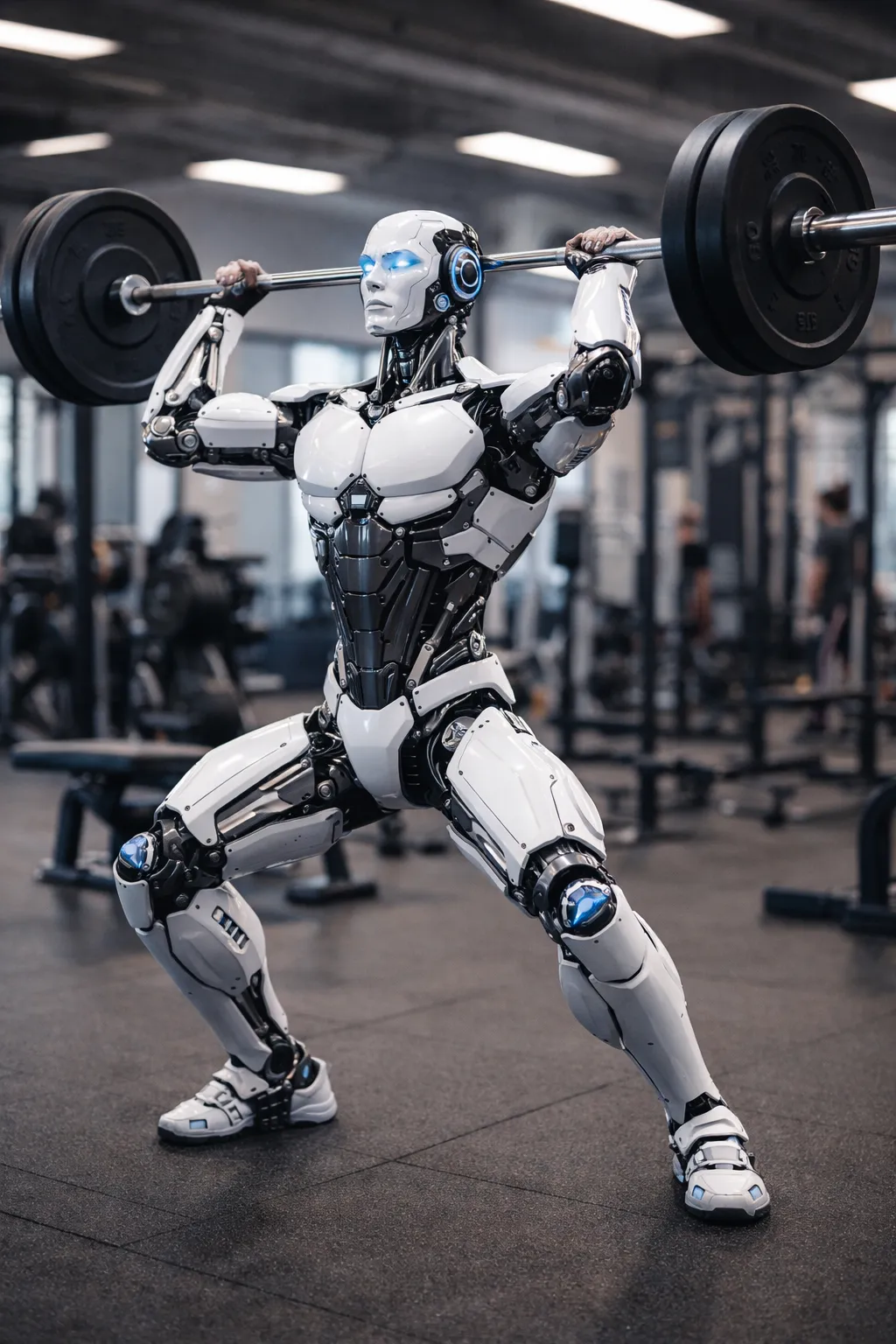
ChatGPT for Rehab and Performance: Helpful Tool or Risky Shortcut?
ChatGPT for Rehab and Performance: Helpful Tool or Risky Shortcut?
It’s becoming more common to hear things like, “I just asked ChatGPT for a rehab plan,” or “I used it to tweak my training split.” Sometimes it works surprisingly well. Other times it really doesn’t.
That tension is kind of the point.
Here’s a more balanced look at where it actually helps and where things can quietly go wrong.
The Pros
1. Easy access, anytime
One of the biggest advantages is obvious. It’s always there. No scheduling, no cost barrier, no waiting weeks to see a specialist.
If someone tweaks their knee on a weekend and wants a rough idea of what to do next, ChatGPT can at least point them somewhere. It’s not the same as a physio, but it’s probably better than scrolling random forums for hours.
And honestly, that immediacy matters more than people admit.
2. Surprisingly good at general guidance
For common issues like basic ankle sprains, lower back tightness, or general strength programming, ChatGPT can give fairly structured, logical suggestions.
Things like progressive loading, doing some mobility work before pushing intensity, and gradually returning to activity.
None of that is groundbreaking, but it’s often exactly what people need to hear. In a way, it just reinforces the basics that people tend to skip when they’re frustrated or impatient.
3. Helps people feel unstuck
There’s also a psychological side to this.
When someone is injured or stuck in a plateau, the hardest part is often not knowing what to do next. Everything feels a bit uncertain, so they end up doing nothing or bouncing between random approaches.
ChatGPT gives them something to try.
Even if the plan isn’t perfect, having a direction can reduce that paralysis. And sometimes just starting again, even cautiously, is what gets things moving.
4. Can personalize, to a point
If you give it enough context like training history, injury details, and goals, it can tailor responses better than a generic article.
It’s not true personalization, but it feels closer than a one size fits all program pulled from a website.
Although, if I’m being honest, that feeling of personalization might be doing more work than the actual accuracy.
The Cons
1. It doesn’t really know your body
This is the big one.
ChatGPT doesn’t assess movement. It doesn’t see compensations, asymmetries, or subtle pain responses. It relies entirely on what you tell it, and most people aren’t great at describing injuries accurately.
So even a well written plan can be built on a slightly wrong assumption. That’s usually where problems start.
2. Risk of false confidence
The advice often sounds clear and structured. Maybe a bit too clear.
That can give people a sense that they’re following something clinically solid, when in reality it’s closer to an educated guess based on patterns.
There’s a difference between “this sounds right” and “this is right for you,” and that gap is easy to miss.
3. No accountability or correction
A good coach or physio adjusts things in real time. They notice when something isn’t working and change it.
ChatGPT won’t stop you if you push through pain. It won’t say, that doesn’t look right, let’s change it.
It just continues the conversation.
Which is helpful, but also a bit concerning.
4. Can oversimplify complex injuries
For straightforward issues, it does fine. But once things get layered like chronic pain, previous injuries, or anything a bit more complicated, it tends to simplify.
Not because it’s careless, but because complexity is hard to handle without real world feedback.
So people with more complicated cases can end up following advice that’s technically reasonable but incomplete.
The Part ChatGPT Can’t Replace: Human Connection
There’s another side to rehab and performance that’s easy to overlook because it’s not something you can really measure.
Reassurance.
When someone is in pain or not progressing the way they expected, they’re usually not just looking for a plan. They want to know they’re not making things worse. That what they’re feeling is normal, or at least not a sign that everything is going backwards.
A good physio or coach does this without making a big deal of it. They pick up on hesitation, they notice when something feels off, and they respond in real time. Sometimes it’s not even what they say. It’s just the fact that they’ve seen this before and aren’t overly concerned.
That changes how people approach their rehab.
ChatGPT can say reassuring things, but it doesn’t quite land the same way. There’s no real feedback loop, no shared experience, just a response on a screen.
There’s also the question of purpose, which is harder to define but probably just as important.
Working with a real person creates some structure around the process. You show up, you report back, you adjust. There’s a bit of accountability, but also a sense that someone else is paying attention to how things are going.
On your own, even with a decent plan, that can drift. Sessions get skipped. Doubt creeps in. It becomes harder to tell if you’re on the right track, so people either push too hard or not enough. Sometimes both, just at different times.
And maybe this is the uncomfortable part. Progress isn’t always driven by how good the program looks on paper. A lot of the time it comes down to whether someone feels supported enough to actually stick with it.
That doesn’t make AI tools useless. Not at all. But it does suggest they’re missing something that turns a plan into a process people follow through on.
So, Is It a Good Idea?
Maybe the better question is how people are using it.
Used as a starting point, a way to learn basic principles, or something that sits alongside professional guidance, it can be genuinely useful.
Used as a replacement for diagnosis, a full rehab plan without oversight, or a shortcut to avoid seeing a professional, it becomes a bit riskier.
Final Thoughts
There’s a quiet shift happening here. People aren’t just consuming rehab and performance content anymore, they’re interacting with it.
That’s powerful. But it’s also a little messy.
ChatGPT isn’t a coach, and it isn’t a clinician. But it can nudge people in the right direction, or at least get them moving when they’ve been stuck.
And maybe that’s the real value. Not precision, not perfection, just momentum.
Even if it’s a bit imperfect.


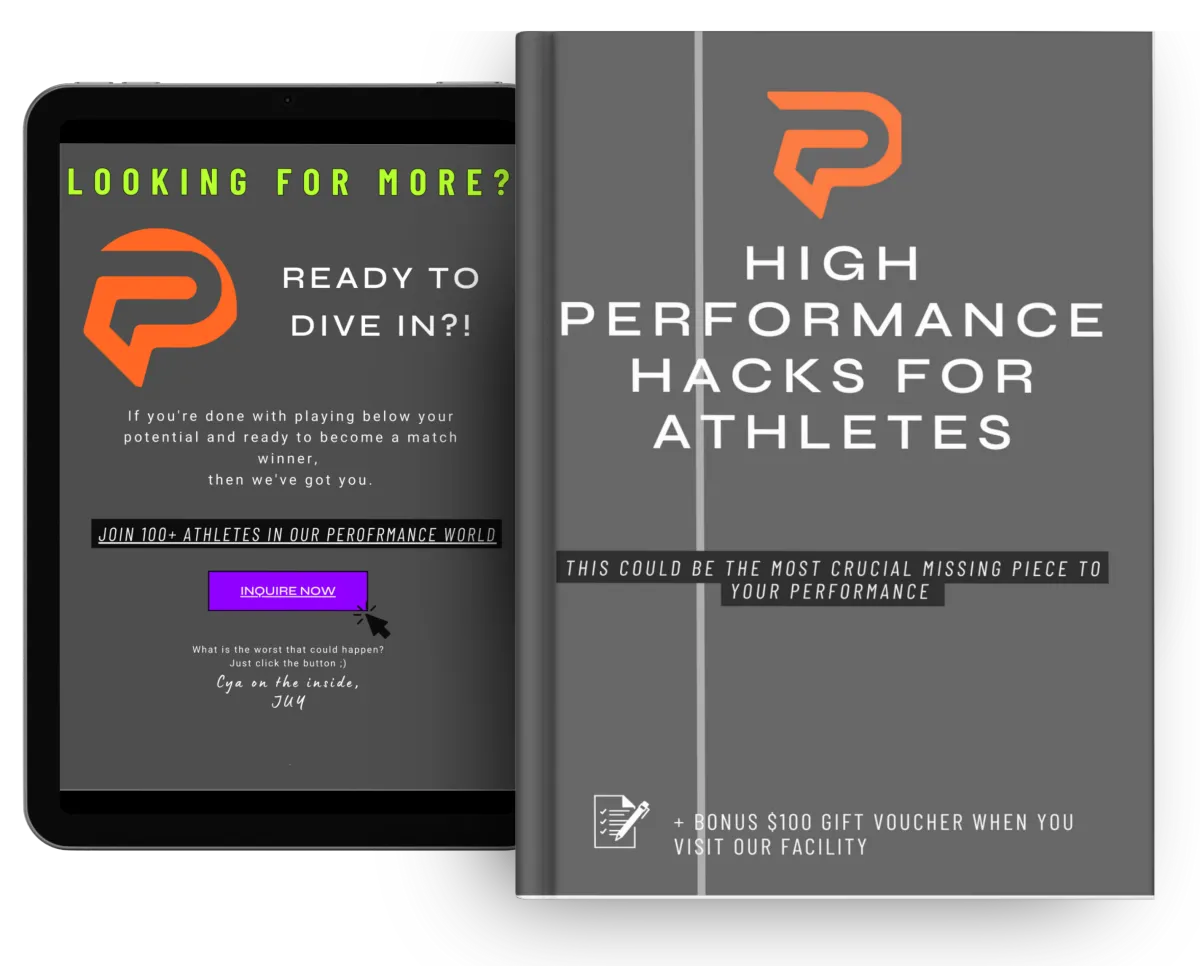
Download Your
High Performance Hacks Here

Do you like the look of working with us?
Contact Us
We’d love to hear from you. We consult for individual athletes and sports teams. Tell us what you’re looking for, and we’ll guide you to the services that are right for you (even if that's not with us!).



Bundoora Location
23-25 Clements Avenue, Bundoora VIC 3083

Ringwood Location
Unit 1/7 Oban Rd, Ringwood VIC 3134

Bundoora Location
23 Clements Ave, Bundoora, 3083

Ringwood Location
Unit 1/7 Oban Road, Ringwood, 3134

Website & Marketing Powered By Gymini