
Everything An Athlete Needs
In One Place
Our Strength and Conditioning Gym & Sports Rehab Facilities In Bundoora & Ringwood Help You Get Back To Sport & Maximise Your Performance
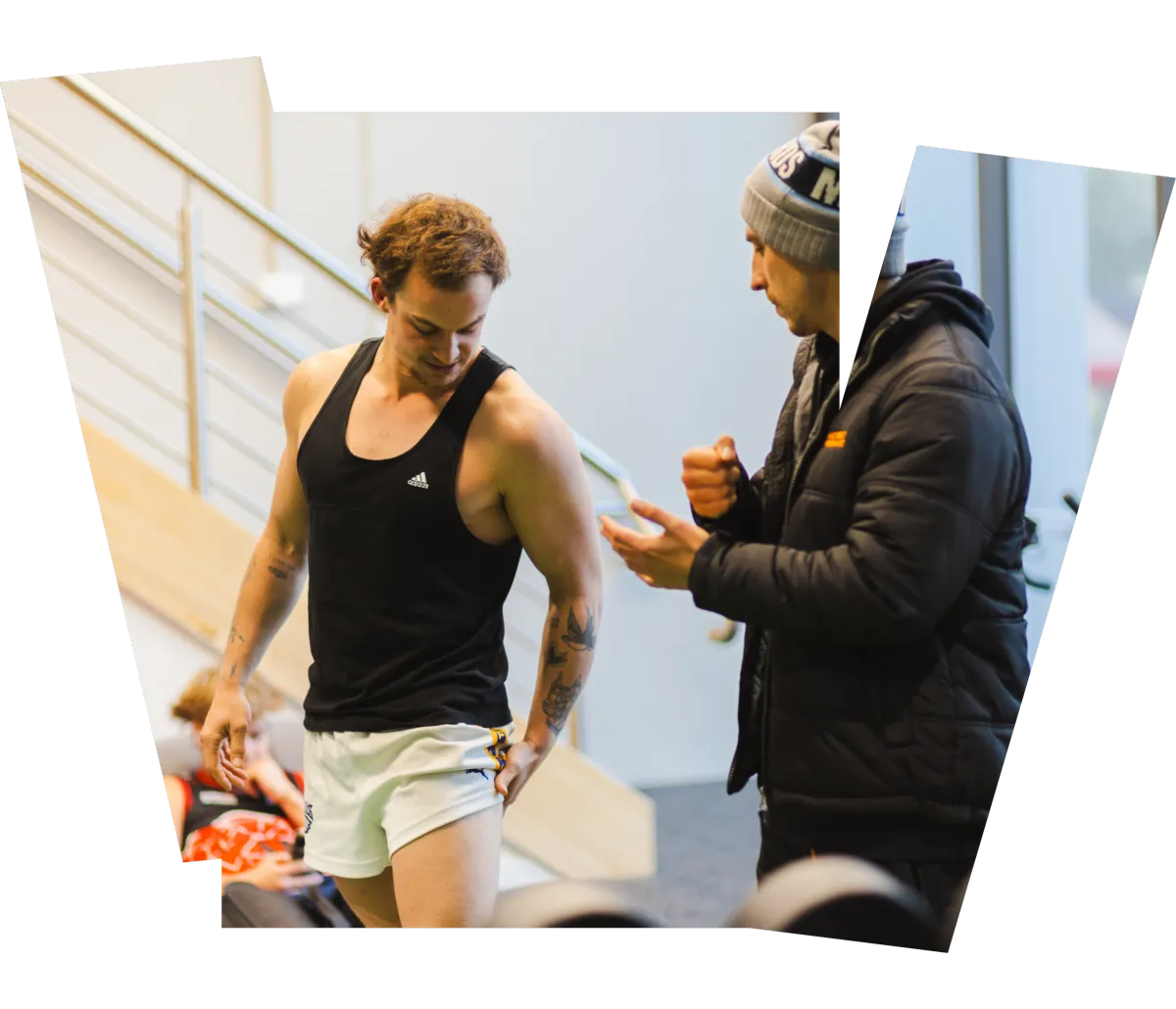
Excellent coaching and great programs set made for improving performance in your chosen sport, good facility and awesome vibes. - Angus
You Play Sport,
We Do The Rest.
Our Performance Consultants Are In The Corner Of Every Aspiring Athlete. We Provide A Complete System For Sports Performance, With Strength & Conditioning, Sports Physiotherapy, Concussion Management and Recovery Services At Our Facility.
Our Physios Have Been Trusted By











01

Athlete Performance Program
High Performance Training Throughout Your Entire Season.
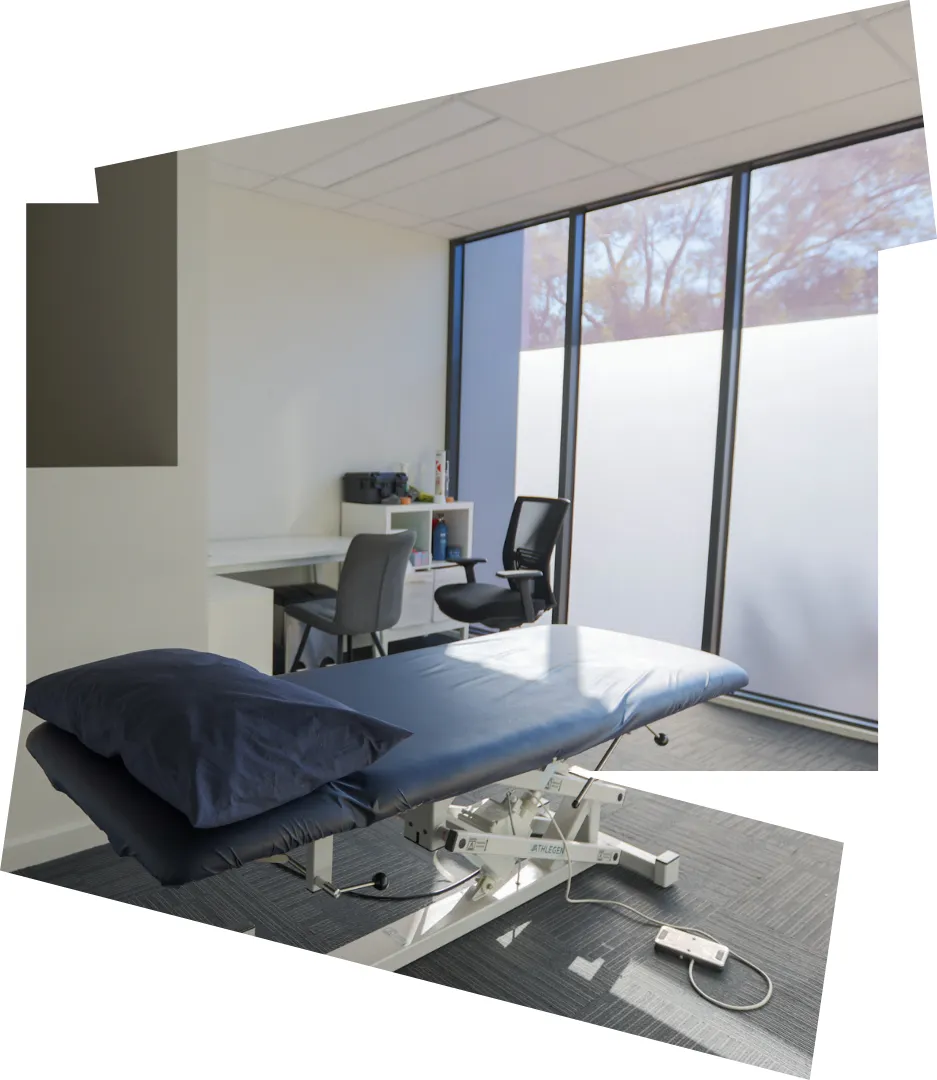
Sports Physio
Sport Specific Injury Management & Prevention

03
Concussion Clinic
Keeping Your Brain Safe With Up To Revolutionary Concussion Care
01
Athlete Performance Program
High Performance Training Throughout Your Entire Season.
02
Sports Physio
Sport Specific Injury Management & Prevention
03
Concussion Clinic
Keeping Your Brain Safe With Up To Revolutionary Concussion Care
Performance is for all of us.
We offer comprehensive coaching, team support, and science-backed tools to enhance every facet of life for all those we serve.
300+
5 Star Google Reviews
5,000+
Athletes Coached
15+
Professional Athletes
Pivot Sports Performance
Coaches prepare you and your teams for workplace success.
With our experts and your commitment, athletes at our Bundoora & Ringwood facilities will excel in sports performance.
Testimonial
Here's What People Are Saying


Blogs
Latest and Greatest

Junior Fast Bowler Back Pain | Sports Physio Melbourne
Junior Fast Bowler Back Pain in Melbourne: When to Stop Bowling and Get Assessed
A young fast bowler finishes a spell, rubs one side of their lower back and says it is probably just tight. Training is tomorrow. A match is on the weekend. Everyone wants to know the same thing: can they keep bowling?
Lower-back soreness can have several causes, and most back pain is not automatically a stress injury. But pain that appears during or after fast bowling deserves more care than a quick stretch and another spell. Teenage pace bowlers are a recognised higher-risk group for lumbar bone stress injury, particularly during growth and when bowling demands rise quickly.
For junior bowlers, the clearest first step comes from Cricket Australia’s junior pace bowling workload guidelines: if lower-back pain occurs while bowling, stop bowling and seek assessment from a sports doctor or physiotherapist experienced in these injuries before continuing.
This article explains why that advice matters, what parents and coaches can do now, and how a careful return to bowling is usually planned. It is general information, not an individual diagnosis or clearance to play.
Why Back Pain in a Fast Bowler Is Different
Fast bowling repeatedly combines a run-up, forceful front-foot contact, trunk extension, rotation and side-bending. The lower back must tolerate these forces again and again across net sessions, matches, school cricket and representative programs.
A lumbar bone stress injury develops when repeated loading outpaces the bone’s ability to recover and adapt. It can begin as a stress reaction before a clear fracture line develops. That does not mean every ache is a bone injury, but it does explain why bowling-related pain should not be dismissed without assessment.
A peer-reviewed clinical review of lumbar bone stress injuries describes these injuries as an important diagnostic group in high-demand athletes such as pace bowlers. Early identification can affect management decisions, while delayed recognition may prolong time away from bowling.
Why Junior Pace Bowlers Need Extra Attention
Adolescence is a period of rapid change. A bowler may become taller, stronger and faster before their skeleton has fully adapted to the new forces they can generate. At the same time, they may move into longer matches, bowl for more teams or add extra net sessions.
Risk is influenced by several factors, including:
recent growth or being in a rapid growth phase
a sudden increase in bowling days, overs or intensity
bowling for multiple teams without one shared workload record
too little recovery between bowling sessions
a previous lumbar bone stress injury
individual technique, strength, physical capacity and recovery factors.
No single item proves that a bowler has an injury. The pattern matters. Pain linked to bowling, repeated pain on one side of the lower back, symptoms that return each session or pain that is becoming easier to provoke are all reasons to organise a timely assessment.
What to Do When a Junior Fast Bowler Reports Back Pain
1 Stop bowling for now
Do not ask the athlete to finish the over, test it with a few more balls or switch to a shorter run-up to see whether it settles. Continuing to bowl can add more load before the cause is understood. Stopping bowling does not necessarily mean stopping every form of activity; an appropriate clinician can advise what can continue safely.
2 Arrange an experienced assessment
A sports physiotherapist or sports doctor can take a detailed history, examine the athlete and decide whether medical review or imaging should be considered. Scans are not automatically required for every young person with back pain, and a normal-looking athlete can still need further assessment. The decision depends on the clinical picture.
3 Write down the recent bowling load
Bring a simple record of the previous four to six weeks: training days, match overs, school cricket, representative sessions, extra nets and any recent break from bowling. Include when the pain began, which movements provoke it and whether the athlete has recently grown. This is often more useful than trying to remember everything in the appointment.
4 Tell every coach
A bowler who plays for club, school and pathway teams can have three reasonable plans that become unreasonable when combined. One person should see the total weekly load, and all coaches should know that bowling has paused while the athlete is being assessed.
When Back Pain Needs Urgent Medical Attention
Most bowling-related back pain does not require an ambulance. Seek urgent medical care, however, if back pain follows major trauma or is accompanied by new leg weakness, numbness around the groin or saddle area, loss of bladder or bowel control, fever with the athlete appearing unwell, or severe and rapidly worsening symptoms. Call 000 in an emergency.
For pain that is not an emergency but keeps returning with bowling, do not wait several weeks for it to become severe. Prompt assessment is the safer next step.
Use Bowling Guidelines as Guardrails, Not a Diagnosis
Cricket Australia’s current guidance offers memorable workload limits for junior pace bowlers. For bowlers under 17, the 1–3–5 rule means one bowling day followed by a bowling rest day, a maximum of three bowling days per week and a maximum of five overs in a spell. For ages 17–19, the 2–4–6 rule means no more than two bowling days in a row, a maximum of four bowling days per week and a maximum of six overs in a spell. Matches and training both count.
These are useful guardrails for healthy bowlers. They are not permission for an athlete with back pain to continue up to the limit, and they do not replace local competition rules or individual clinical advice. A bowler returning from injury, growing rapidly or carrying other risk factors may need a more conservative plan.
Preparation also matters. Bowling capacity is built over time, not in one hard pre-season week. A gradual increase in frequency, intensity and total deliveries gives the body a better chance to adapt before match demands arrive.
What an Assessment May Cover
An individual sports-physio assessment may consider:
the location, timing and behaviour of symptoms
recent growth, previous injuries and overall health
bowling frequency across every team and program
sprinting, bowling and throwing technique
spinal, hip and lower-limb movement where clinically relevant
strength and capacity for the demands of fast bowling
whether referral to a sports doctor or imaging is appropriate
a plan for maintaining safe fitness while bowling is modified.
The aim is not to label every bowler with a stress fracture. It is to identify the likely source of symptoms, recognise cases that need further investigation and avoid exposing a potentially stressed structure to repeated high load.
Returning to Bowling Should Be Progressive
Return to bowling is more than waiting until daily pain disappears. A plan may begin with lower-risk training that maintains general capacity, then reintroduce bowling in controlled stages. The exact sequence depends on the diagnosis, symptoms, healing status, competition level and medical advice.
A return plan commonly considers:
symptom response during daily activity and training
relevant strength, movement and physical capacity
a gradual rise in bowling intensity and number of deliveries
rest between bowling days
the combined load from club, school and representative cricket
ongoing communication among the athlete, family, clinician and coaches.
There is no universal number of days that clears every back injury. Some conditions settle quickly; confirmed bone stress injuries can require a much longer period and medical oversight. The calendar should not outrank clinical findings.
A Five-Minute Checklist for Parents and Coaches
Ask where the pain is and whether bowling brings it on.
Stop bowling if lower-back pain is present.
Record all bowling from club, school, training and representative cricket.
Arrange assessment with a clinician experienced in adolescent sport and fast-bowling injuries.
Share one agreed plan with every coach before bowling resumes.
Sports Physiotherapy for Cricketers in Bundoora and Ringwood
Pivot Sports Performance supports athletes through assessment, rehabilitation and graded return to sport at its sports physiotherapy clinic in Bundoora and sports physiotherapy clinic in Ringwood.
If a fast bowler has lower-back pain during bowling, pause bowling and arrange an assessment before the next spell. Bring their recent bowling record and details of every team they play for.
Book a sports physio assessment or contact Pivot Sports Performance to discuss the most suitable next step.

Download Your
High Performance Hacks Here

Do you like the look of working with us?
Contact Us
We’d love to hear from you. We consult for individual athletes and sports teams. Tell us what you’re looking for, and we’ll guide you to the services that are right for you (even if that's not with us!).



Bundoora Location
29 Clements Avenue, Bundoora VIC 3083
Ringwood Location
Unit 1/7 Oban Rd, Ringwood VIC 3134
Bundoora Location
29 Clements Ave, Bundoora VIC 3083
Ringwood Location
Unit 1/7 Oban Road, Ringwood, 3134
Website & Marketing Powered By Gymini