
Everything An Athlete Needs
In One Place
Our Strength and Conditioning Gym & Sports Rehab Facilities In Bundoora & Ringwood Help You Get Back To Sport & Maximise Your Performance
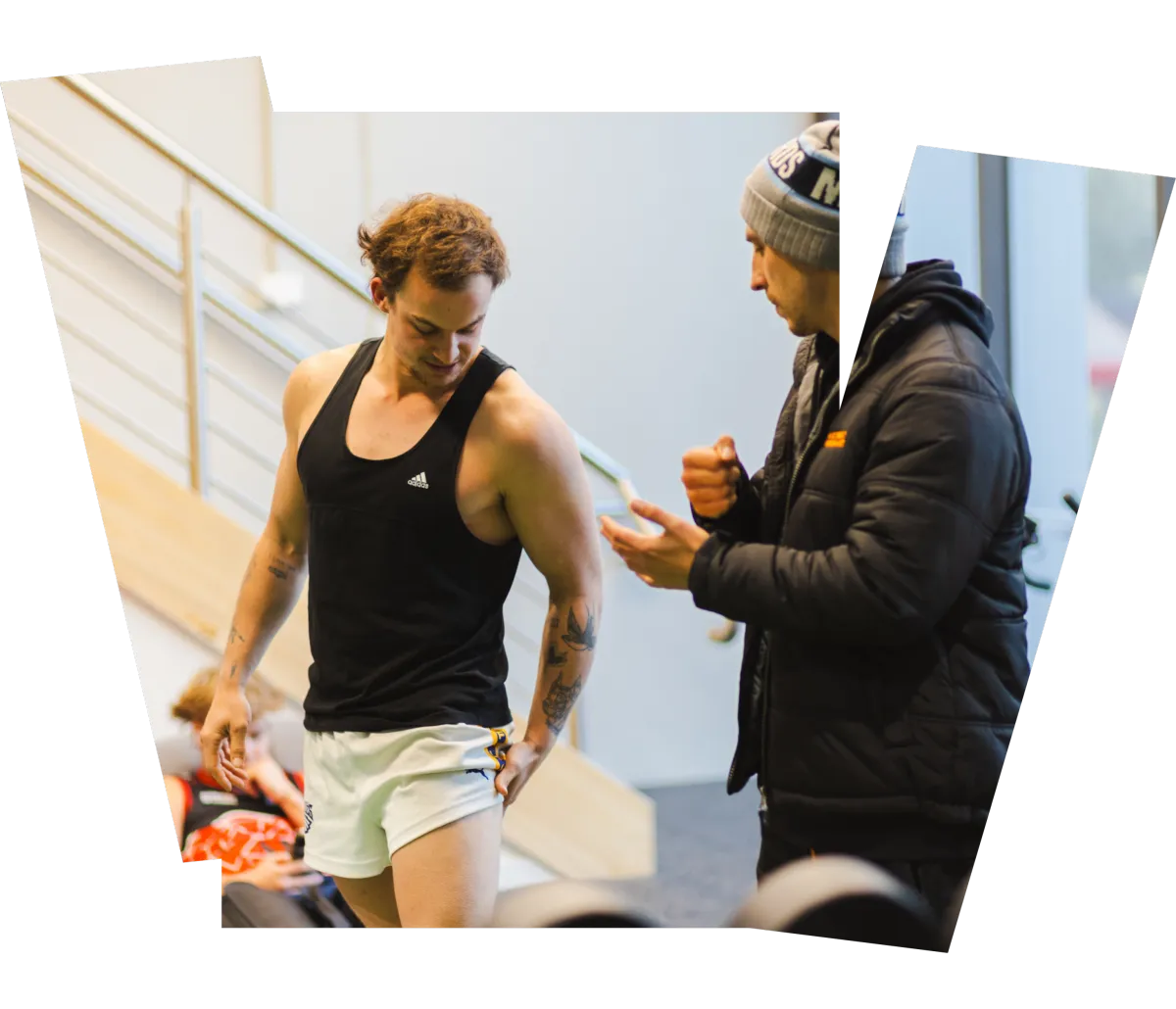
Excellent coaching and great programs set made for improving performance in your chosen sport, good facility and awesome vibes. - Angus
You Play Sport,
We Do The Rest.
Our Performance Consultants Are In The Corner Of Every Aspiring Athlete. We Provide A Complete System For Sports Performance, With Strength & Conditioning, Sports Physiotherapy, Concussion Management and Recovery Services At Our Facility.
Our Physios Have Been Trusted By












01

Athlete Performance Program
High Performance Training Throughout Your Entire Season.
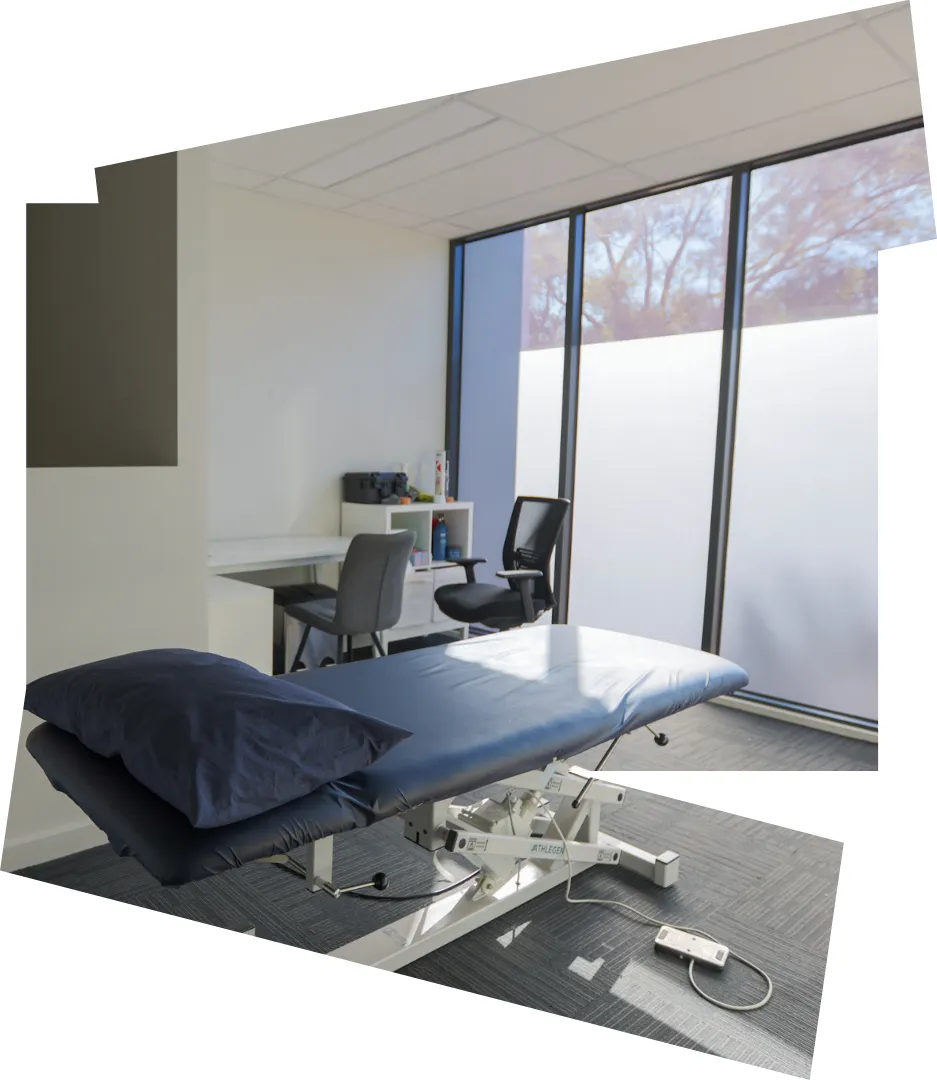
Sports Physio
Sport Specific Injury Management & Prevention

03
Concussion Clinic
Keeping Your Brain Safe With Up To Revolutionary Concussion Care
01
Athlete Performance Program
High Performance Training Throughout Your Entire Season.
02
Sports Physio
Sport Specific Injury Management & Prevention
03
Concussion Clinic
Keeping Your Brain Safe With Up To Revolutionary Concussion Care
Performance is for all of us.
We offer comprehensive coaching, team support, and science-backed tools to enhance every facet of life for all those we serve.
250+
5 Star Google Reviews
5,000+
Athletes Coached
15+
Professional Athletes
Pivot Sports Performance
Coaches prepare you and your teams for workplace success.
With our experts and your commitment, athletes at our Bundoora & Ringwood facilities will excel in sports performance.
Testimonial
Here's What People Are Saying


Blogs
Latest and Greatest
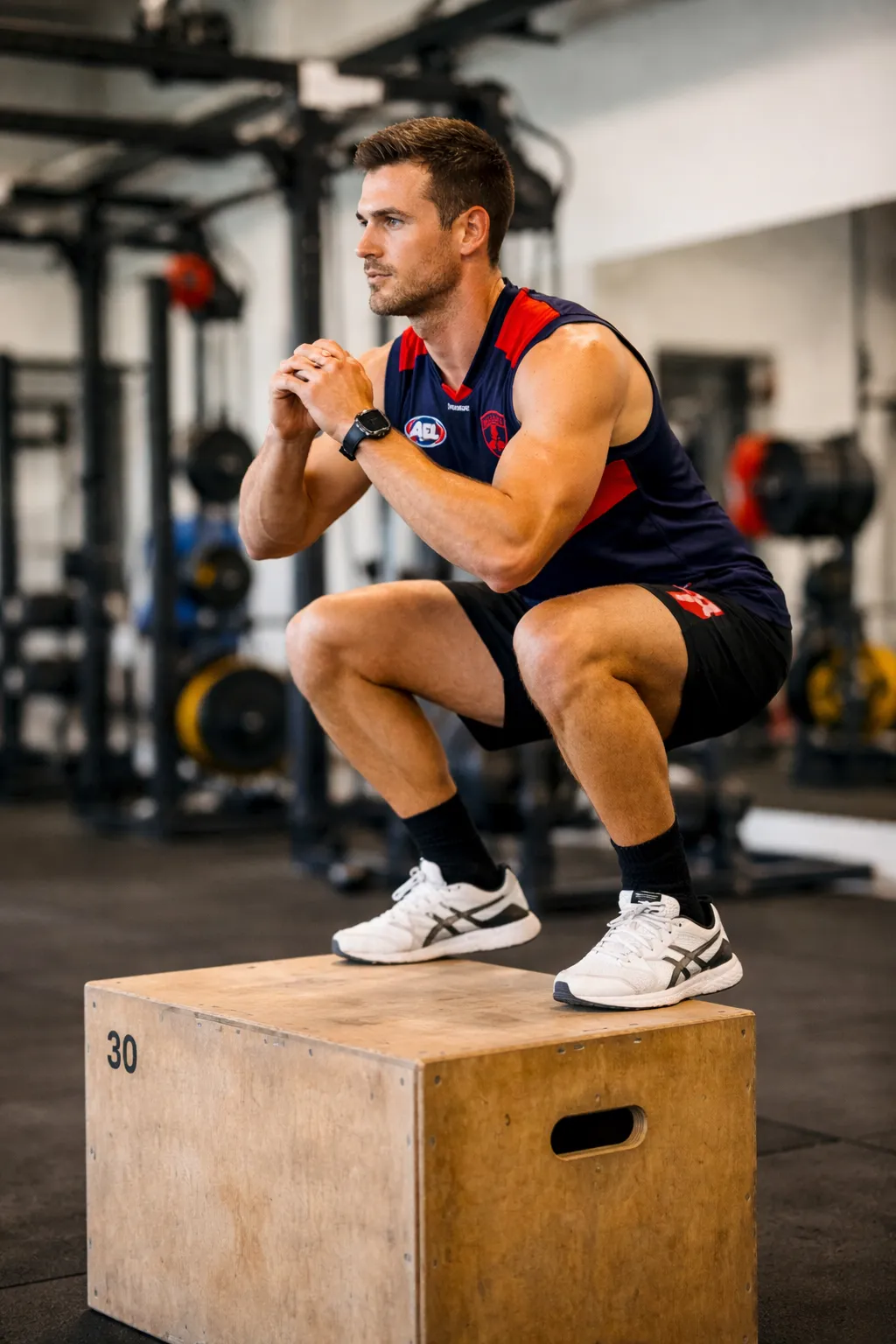
Why Footballers Should Continue Strength and Conditioning During the Season
Why Strength and Conditioning During the Footy Season Matters
Many footballers train hard through preseason. Gyms are full, sessions are intense, and there is a big focus on building strength, fitness, and power before the first game. Then the season starts and things often change. Training time gets squeezed between matches, recovery becomes the priority, and strength work slowly fades into the background.
It makes sense in a way. Games feel like enough. They are hard, physical, and demanding. But the reality is that match play alone usually is not enough to maintain the physical qualities built earlier in the year. Over a long season, those qualities can gradually slip away if they are not maintained.
This is where the idea of reversibility in training becomes important. It sounds technical, but the concept is fairly simple. If you stop training a physical quality, the body slowly loses it.
The Reversibility Principle in Strength and Conditioning
The reversibility principle basically means "use it or lose it."
Strength, speed, power, and endurance all improve through consistent training. The body adapts to the stress placed on it. Muscles get stronger, the nervous system becomes more efficient, and the heart and lungs become better at delivering oxygen.
But these adaptations are not permanent. If the stimulus disappears for long enough, the body starts moving back toward its previous state.
For footballers, this becomes relevant once the competitive season begins. Training structure changes, recovery becomes more important, and gym sessions might drop from three or four per week in preseason to maybe one, or sometimes none.
If you are unsure how to structure this properly, working with a strength and conditioning coach for football can help ensure players maintain key physical qualities during the season.
Without some form of ongoing training, physical qualities that were built over months can slowly start to decline.
For a deeper scientific explanation of reversibility in training, the National Strength and Conditioning Association provides a helpful overview:
https://www.nsca.com/education/articles/kinetic-select/the-principle-of-reversibility/
How Quickly Do Physical Qualities Decline?
Not everything declines at the same rate. Some qualities hold on longer, while others fade surprisingly quickly.
Strength
Maximal strength tends to remain for a short period, but not indefinitely. Research suggests noticeable declines can begin after about three to four weeks without resistance training.
Early changes are usually neural. Muscle activation and coordination become slightly less efficient. Over time, muscle size can also begin to decrease if strength training disappears completely.
The encouraging part is that strength can usually be maintained with just one or two well structured gym sessions per week. This is why many in season programs still include basic compound lifts such as squats or deadlifts.
Players who are unsure how to structure these sessions often benefit from following a designed specifically for in season athletes.
Power and Speed
Power tends to decline faster than maximal strength.
Explosive movements like sprinting, jumping, and rapid changes of direction rely heavily on neural adaptations and high velocity muscle contractions. Without regular exposure to these movements, performance can begin to decrease within two to three weeks.
For footballers, this can affect acceleration, vertical jump when competing for marks, and the ability to burst away from an opponent.
Including plyometrics, sprint work, and explosive lifting helps maintain these qualities. The Australian Institute of Sport discusses the importance of power and speed development for field sport athletes here:
https://www.ais.gov.au/position_statements/strength_and_conditioning
Cardiovascular Fitness
Aerobic fitness can also decline if training volume drops significantly.
Research shows that VO₂ max can begin to decrease within two to four weeks of reduced endurance training. Changes in stroke volume and cardiac output gradually reduce the body's ability to deliver oxygen during repeated efforts.
In modern football, where players cover large distances and perform repeated high intensity efforts, maintaining conditioning is critical.
If players want to learn more about aerobic capacity and its role in sport performance, Sports Medicine Australia provides useful information:
https://sma.org.au/resources-advice/sports-science/
Why Strength and Conditioning Should Continue During the Footy Season
Maintaining physical qualities during the season offers several important benefits.
Maintaining Performance
Strength and power underpin many important football actions such as sprinting, tackling, jumping, and contest work.
Players who continue structured strength training during the season are far more likely to maintain these physical qualities across the year.
Without ongoing training, athletes sometimes notice a gradual drop in power, speed, and physical presence on the field.
Athletes who want to improve these qualities year round may also benefit from focusing on off season athletic development for footballers once the competitive season ends.
Reducing Injury Risk
Strength training is one of the most effective ways to reduce injury risk in football.
Stronger muscles and connective tissues improve joint stability and help the body tolerate the high loads experienced during matches.
Research published in the British Journal of Sports Medicine has shown that strength programs targeting key muscle groups such as the hamstrings can significantly reduce injury rates in athletes:
https://bjsm.bmj.com/content/49/6/349
During the season, accumulated fatigue and match load can increase injury risk. Continuing strength and conditioning helps maintain tissue resilience and supports better recovery between games.
Supporting Recovery
A well designed in season program is not about exhausting players. Instead, it focuses on maintaining key physical qualities while supporting recovery.
Strength sessions can improve circulation, maintain movement quality, and reinforce important muscle groups such as the hamstrings, glutes, and core.
These muscles are heavily involved in sprinting and deceleration, which are two of the most common mechanisms behind football injuries.
Players dealing with tight schedules often benefit from short gym sessions designed for football recovery and performance rather than long, fatiguing workouts.
What In Season Strength and Conditioning Looks Like
Strength and conditioning during the season should be efficient and targeted. Most footballers benefit from one to two gym sessions per week focused on maintaining strength, power, and injury resilience.
Typical sessions may include:
Lower body strength exercises such as squats or trap bar deadlifts
Posterior chain work targeting hamstrings and glutes
Upper body strength for tackling and contest work
Explosive movements such as jumps or Olympic lift variations
Core stability and trunk control exercises
The goal is not to create fatigue. The goal is to maintain the physical qualities built during preseason.
The Long Term Benefit of Consistent Training
Athletes who maintain strength and conditioning throughout the season often perform more consistently across the year.
They are better able to tolerate the physical demands of weekly games, recover faster between matches, and reduce the risk of performance decline late in the season.
There is also a long term benefit.
Maintaining strength makes the transition into the next preseason much easier. Instead of rebuilding lost fitness, players can continue progressing their training and improving their athletic capacity.
The Key Takeaway for Footballers
Preseason builds the physical foundation for the year, but the season itself is what tests it.
Because of the reversibility principle, strength, power, and conditioning will gradually decline if they are not maintained.
By continuing targeted strength and conditioning during the footy season, players can maintain strength, preserve power, support conditioning, and reduce injury risk.
Consistency across the entire year is what allows footballers to perform at their best when it matters most.


Download Your
High Performance Hacks Here

Do you like the look of working with us?
Contact Us
We’d love to hear from you. We consult for individual athletes and sports teams. Tell us what you’re looking for, and we’ll guide you to the services that are right for you (even if that's not with us!).



Bundoora Location
23-25 Clements Avenue, Bundoora VIC 3083

Ringwood Location
Unit 1/7 Oban Rd, Ringwood VIC 3134

Bundoora Location
23 Clements Ave, Bundoora, 3083

Ringwood Location
Unit 1/7 Oban Road, Ringwood, 3134

Website & Marketing Powered By Gymini