
Everything An Athlete Needs
In One Place
Our Strength and Conditioning Gym & Sports Rehab Facilities In Bundoora & Ringwood Help You Get Back To Sport & Maximise Your Performance
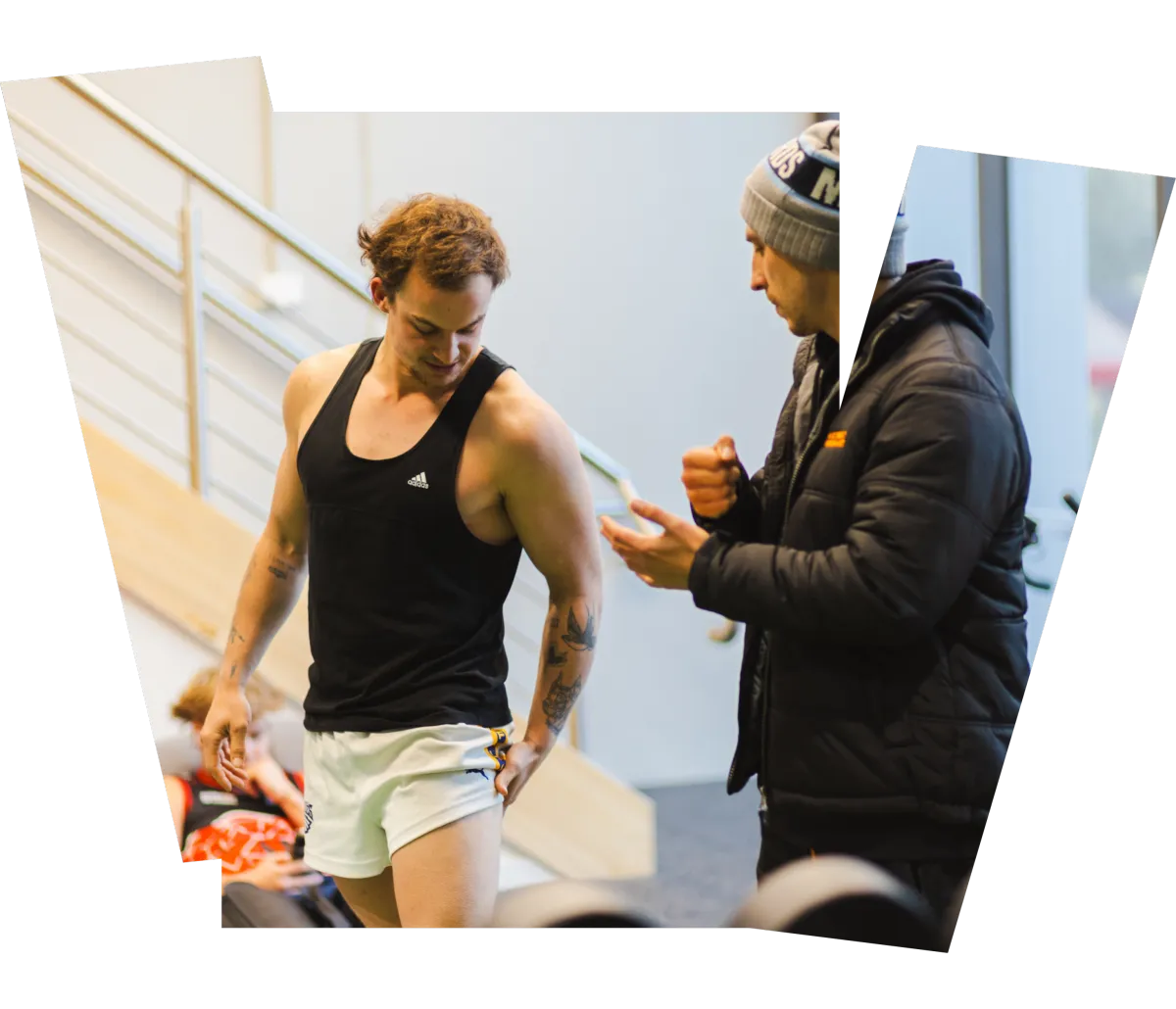
Excellent coaching and great programs set made for improving performance in your chosen sport, good facility and awesome vibes. - Angus
You Play Sport,
We Do The Rest.
Our Performance Consultants Are In The Corner Of Every Aspiring Athlete. We Provide A Complete System For Sports Performance, With Strength & Conditioning, Sports Physiotherapy, Concussion Management and Recovery Services At Our Facility.
Our Physios Have Been Trusted By












01

Athlete Performance Program
High Performance Training Throughout Your Entire Season.
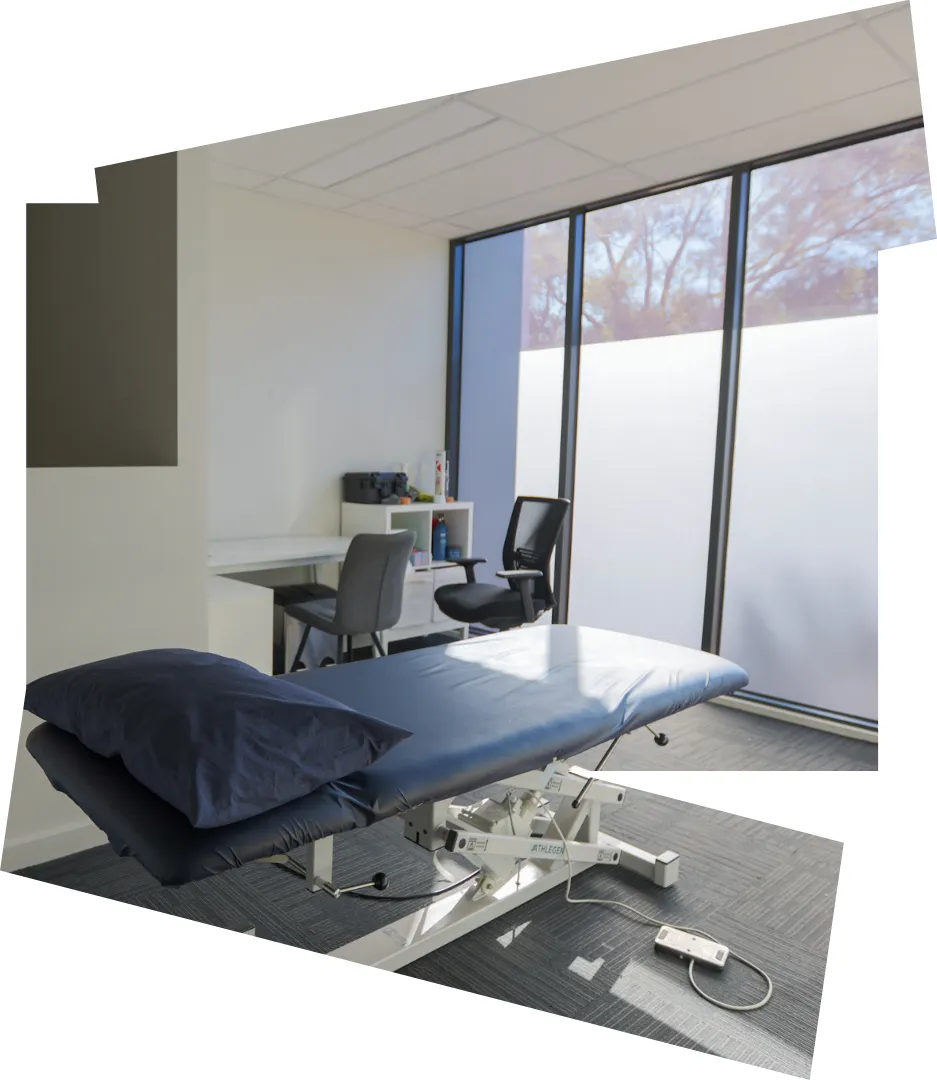
Sports Physio
Sport Specific Injury Management & Prevention

03
Concussion Clinic
Keeping Your Brain Safe With Up To Revolutionary Concussion Care
01
Athlete Performance Program
High Performance Training Throughout Your Entire Season.
02
Sports Physio
Sport Specific Injury Management & Prevention
03
Concussion Clinic
Keeping Your Brain Safe With Up To Revolutionary Concussion Care
Performance is for all of us.
We offer comprehensive coaching, team support, and science-backed tools to enhance every facet of life for all those we serve.
250+
5 Star Google Reviews
5,000+
Athletes Coached
15+
Professional Athletes
Pivot Sports Performance
Coaches prepare you and your teams for workplace success.
With our experts and your commitment, athletes at our Bundoora & Ringwood facilities will excel in sports performance.
Testimonial
Here's What People Are Saying


Blogs
Latest and Greatest

Why AFL Players Keep Getting Hamstring Injuries | Pivot Sports Performance
Why AFL Players Keep Getting Hamstring Injuries: A Sports Physio Guide to Rehab, Sprinting and Return to Play
Hamstring injuries are one of the most common and frustrating injuries in AFL, football, soccer, rugby, athletics and field-based sport.
One week an athlete feels fast, strong and ready to play. The next week they are grabbing the back of their leg, missing training, losing confidence and wondering why it keeps happening.
At Pivot Sports Performance, we see this all the time across our Bundoora and Ringwood clinics. The issue is rarely just “tight hamstrings”. In most cases, hamstring injuries are linked to a combination of sprinting exposure, strength deficits, fatigue, poor load management, previous injury history and an incomplete return-to-sport plan.
If you play AFL or field sport and rely on sprinting, kicking, acceleration, deceleration and change of direction, your hamstrings need to be trained for the exact demands of your sport.
Book a sports physiotherapy appointment at Pivot Sports Performance
Why are hamstring injuries so common in AFL?
AFL is brutal on the hamstrings because it combines repeated sprinting, high-speed running, kicking, jumping, contested ball work, fatigue and rapid changes of direction.
Unlike steady running, AFL exposes the hamstring to high forces when the athlete is moving fast, especially during late swing phase of sprinting. This is when the hamstring is lengthening and working hard to slow the lower leg before foot contact.
That means the hamstring is not just producing force. It is absorbing force at speed.
This is why hamstring strains often happen when an athlete is sprinting, chasing, leading, kicking or trying to accelerate late in a game.
Common AFL hamstring injury triggers include:
Sprinting at near-maximal speed
Sudden acceleration
High-speed deceleration
Kicking at speed
Fatigue late in quarters
Poor exposure to top-speed running
Previous hamstring injury
Inadequate eccentric hamstring strength
Poorly planned training loads
Returning to play before sprint capacity is restored
For athletes in Bundoora, Ringwood and surrounding suburbs, this matters because most local footballers do not have the same GPS monitoring, strength testing or rehab support as elite AFL players. That makes a structured rehab and return-to-sport plan even more important.
The problem with resting a hamstring injury
One of the biggest mistakes athletes make is thinking that pain-free walking or jogging means the hamstring is ready for sport.
Rest can settle pain, but it does not rebuild sprint capacity.
A hamstring may feel fine during daily life, light jogging or basic gym exercises. But AFL does not ask your hamstring to simply tolerate walking or jogging. It asks your hamstring to tolerate repeated sprinting, kicking, jumping, landing, cutting and contact under fatigue.
That is why many athletes reinjure their hamstring shortly after returning.
They are not necessarily returning too early because the calendar says so. They are returning before the hamstring has been exposed to enough progressive strength, speed and football-specific loading.
Why sprinting must be part of hamstring rehab
If your sport involves sprinting, your rehab needs to involve sprinting.
That does not mean sprinting hard in week one. It means gradually building running intensity, running volume and sprint exposure in a planned way.
A good hamstring rehab plan should progress from:
Pain-free walking and low-level strength
Controlled jogging
Faster running
Strides
Acceleration work
Max velocity sprinting
Change of direction
Kicking
Football-specific drills
Full training and return to play
The key is not just whether the athlete can run. The key is whether they can tolerate the type of running their sport actually demands.
For AFL players, that means building tolerance to:
Repeated accelerations
High-speed running
Sprinting above 90 percent effort
Kicking at speed
Change of direction
Reactive drills
Fatigue-based running
Training loads that reflect match demands
At Pivot, our sprint training for athletes and high performance training services are designed to help athletes develop speed safely, not just get through rehab.
Why eccentric hamstring strength matters
Eccentric strength refers to the hamstring’s ability to produce force while lengthening.
This is important because during sprinting, the hamstring is often working hard while being stretched. This is one reason exercises like Nordic hamstring curls, Romanian deadlifts, sliders and hip-dominant strength work are commonly used in hamstring rehab.
Research has shown that injury prevention programs including the Nordic hamstring exercise can significantly reduce hamstring injury rates across sporting populations. However, the Nordic hamstring curl is not magic by itself.
A complete hamstring program should include:
Eccentric knee flexor strength
Hip extension strength
Single-leg strength
Trunk and pelvis control
Sprint mechanics
Progressive high-speed running
Football-specific exposure
Load management
In other words, Nordics help, but they are not the whole rehab plan.
A footballer needs a hamstring that is strong in the gym and resilient on the field.
The role of fatigue in hamstring injuries
Many hamstring injuries occur when the athlete is tired.
This is common in AFL because athletes are repeatedly sprinting, changing direction, jumping, tackling and kicking across four quarters. As fatigue builds, running mechanics can change, stride control can reduce and the hamstring may be exposed to higher risk.
This is why late-stage rehab should not only test whether an athlete can sprint once. It should assess whether they can tolerate repeated sprinting and football-specific work under fatigue.
A good return-to-play plan may include:
Repeated sprint efforts
Sprint to deceleration drills
Sprint into kicking drills
Change of direction after running
Football skills under fatigue
Progressive training exposure
Objective strength and power testing
If an athlete only completes straight-line jogging before returning to football, they have not prepared for football.
Why previous hamstring injuries matter
The biggest risk factor for a future hamstring injury is often a previous hamstring injury.
This does not mean the athlete is broken. It means the rehab needs to be done properly.
After a hamstring strain, athletes can be left with:
Reduced eccentric strength
Reduced fascicle length
Poor confidence sprinting
Reduced high-speed running exposure
Protective running mechanics
Ongoing tightness or awareness
Reduced ability to tolerate fatigue
This is where sports physiotherapy and strength and conditioning should work together.
At Pivot Sports Performance, we do not see hamstring rehab as just massage, stretching and a few exercises. We see it as a full return-to-performance process.
You can learn more about our local hamstring rehab service here:
Hamstring Injury Rehab Bundoora
What should a proper AFL hamstring rehab plan include?
A proper hamstring rehab plan should be progressive, measurable and specific to the athlete’s sport.
Here is what we usually want to see.
1. Accurate diagnosis
Not every hamstring injury is the same.
A mild strain near the muscle belly is different from a tendon-related injury, a proximal hamstring issue or nerve-related posterior thigh pain.
Your physio should assess:
Location of pain
Mechanism of injury
Sprint tolerance
Strength deficits
Range of motion
Neural symptoms
Previous injury history
Sport demands
Training schedule
2. Early strength and pain management
Early rehab usually focuses on calming symptoms, restoring confidence and starting strength work safely.
This may include:
Isometrics
Hip bridges
Hamstring sliders
Controlled hinge patterns
Light running if tolerated
Pain-guided loading
3. Eccentric hamstring loading
Once tolerated, eccentric strength becomes important.
Common exercises include:
Nordic hamstring curls
Romanian deadlifts
Single-leg RDLs
Hamstring sliders
Razor curls
Hip thrust variations
Long-lever bridge progressions
The goal is to rebuild strength in positions that matter for sprinting and kicking.
4. Sprint progression
A hamstring rehab plan without sprinting is incomplete for AFL athletes.
Sprint progression may include:
Jogging
Tempo running
Strides
Build-ups
Acceleration drills
Flying sprints
Max velocity exposure
Repeated sprint work
The athlete should gradually earn the right to sprint faster.
5. Kicking progression
Kicking loads the hamstring differently to running.
A footballer needs to build from controlled stationary kicking through to kicking after running, kicking at speed and kicking under fatigue.
A kicking progression may include:
Stationary short kicking
Longer kicking
Kicking after jogging
Kicking after acceleration
Kicking under fatigue
Reactive football drills
6. Change of direction and football-specific work
AFL is not played in a straight line.
Late-stage rehab should include:
Cutting
Curved running
Deceleration
Evasive movement
Contest simulation
Ground ball work
Marking and landing
Contact preparation if relevant
7. Objective return-to-sport testing
Guessing is not good enough.
Before returning to full training and games, athletes should ideally complete strength, power, sprint and sport-specific testing. This helps reduce the risk of returning before the hamstring is ready.
At Pivot, our Return to Sport Testing helps athletes understand whether they are ready to return to the demands of sport.
When can I return to football after a hamstring strain?
There is no perfect number of weeks.
Some athletes return quickly. Others need longer. The timeline depends on the severity of the injury, the location of the strain, previous injury history, strength levels, sprint exposure, symptoms and sport demands.
Instead of asking, “How many weeks will this take?”, a better question is:
“Can my hamstring handle what my sport is about to ask of it?”
Before returning to football, an athlete should usually be able to:
Run pain-free
Sprint at high intensity
Complete repeated sprint efforts
Kick without symptoms
Change direction at speed
Complete full training
Show adequate strength and power
Feel confident accelerating and sprinting
Recover well after high-speed sessions
If you have not sprinted, kicked, changed direction or completed football-specific drills, you are probably not ready to play football.
How Pivot Sports Performance helps AFL athletes with hamstring rehab
At Pivot Sports Performance, we work with youth, amateur and high-level athletes across Bundoora, Ringwood and Melbourne.
Our hamstring rehab process combines:
Sports physiotherapy
Strength and conditioning
Sprint progression
Running mechanics
Return-to-sport testing
Football-specific drills
Gym-based strength programming
Load management advice
We help athletes move from injury to performance, not just from pain to jogging.
Our team can help you with:
Acute hamstring strains
Recurrent hamstring injuries
Sprint-related hamstring pain
Kicking-related hamstring pain
Return to football after hamstring injury
Strength deficits after injury
Ongoing tightness or awareness
Performance-based hamstring rehab
If you are based near Bundoora, Ringwood, Greensborough, Macleod, Heidelberg, Eltham, Doncaster, Croydon, Mitcham or surrounding suburbs, our team can help you build a proper return-to-sport plan.
Final word: hamstring rehab needs more than rest
AFL hamstring injuries are not just bad luck.
They often reflect a mismatch between what the athlete is prepared for and what the sport demands.
If your hamstring injury keeps coming back, it is worth asking:
Have you rebuilt eccentric strength?
Have you progressed sprinting properly?
Have you trained high-speed running?
Have you tested your return-to-sport readiness?
Have you exposed the hamstring to kicking, cutting and fatigue?
Have you completed full football training before playing?
Pain-free does not always mean ready.
At Pivot Sports Performance, we help athletes return stronger, faster and more confident by combining sports physiotherapy, strength and conditioning, sprint exposure and return-to-sport testing.
If you have strained your hamstring or keep feeling tightness when you sprint, do not leave your return to chance.

Download Your
High Performance Hacks Here


Do you like the look of working with us?
Contact Us
We’d love to hear from you. We consult for individual athletes and sports teams. Tell us what you’re looking for, and we’ll guide you to the services that are right for you (even if that's not with us!).



Bundoora Location
23-25 Clements Avenue, Bundoora VIC 3083

Ringwood Location
Unit 1/7 Oban Rd, Ringwood VIC 3134

Bundoora Location
23 Clements Ave, Bundoora, 3083

Ringwood Location
Unit 1/7 Oban Road, Ringwood, 3134

Website & Marketing Powered By Gymini