
Everything An Athlete Needs
In One Place
Our Strength and Conditioning Gym & Sports Rehab Facilities In Bundoora & Ringwood Help You Get Back To Sport & Maximise Your Performance
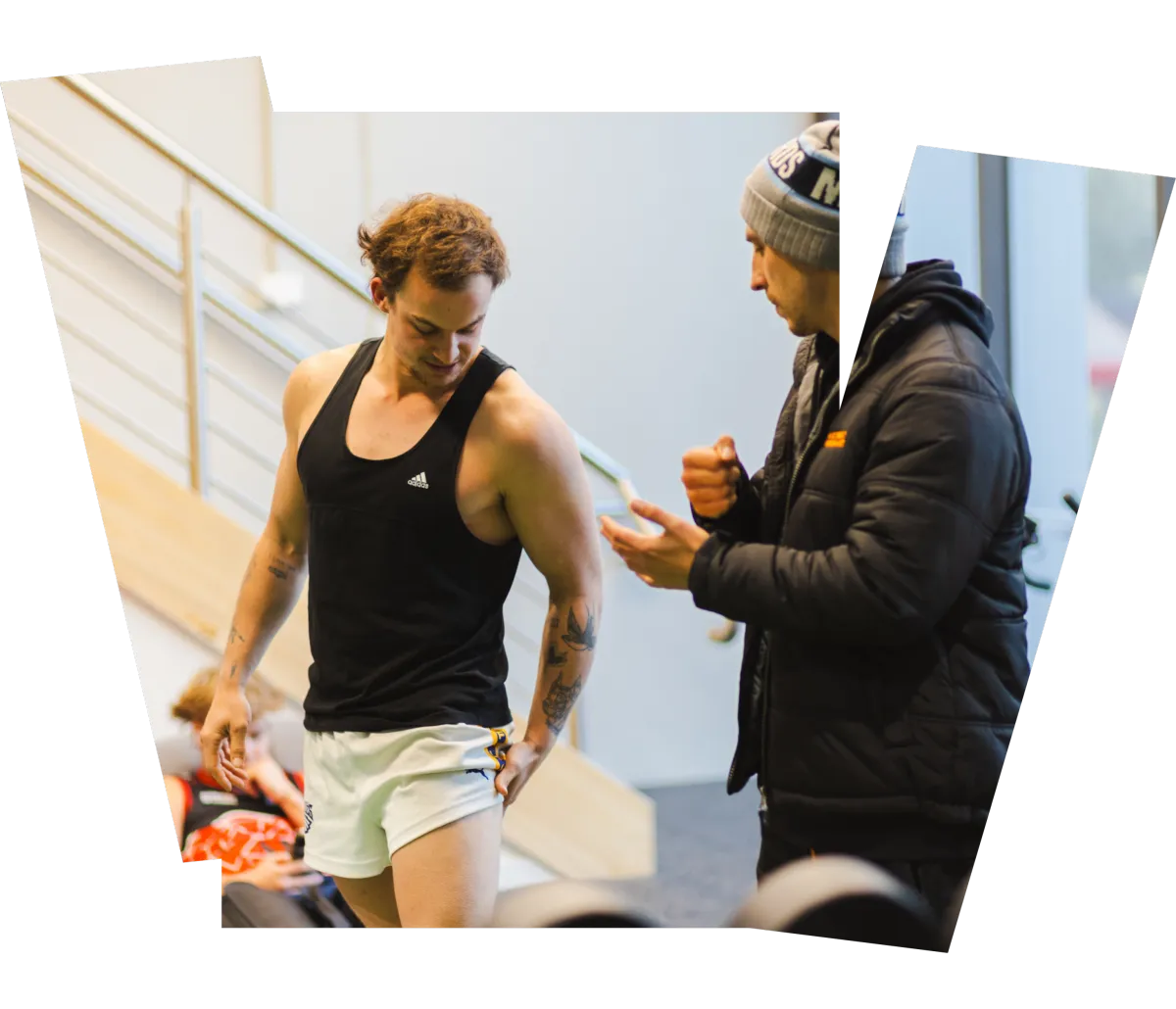
Excellent coaching and great programs set made for improving performance in your chosen sport, good facility and awesome vibes. - Angus
You Play Sport,
We Do The Rest.
Our Performance Consultants Are In The Corner Of Every Aspiring Athlete. We Provide A Complete System For Sports Performance, With Strength & Conditioning, Sports Physiotherapy, Concussion Management and Recovery Services At Our Facility.
Our Physios Have Been Trusted By












01

Athlete Performance Program
High Performance Training Throughout Your Entire Season.
Sports Physio
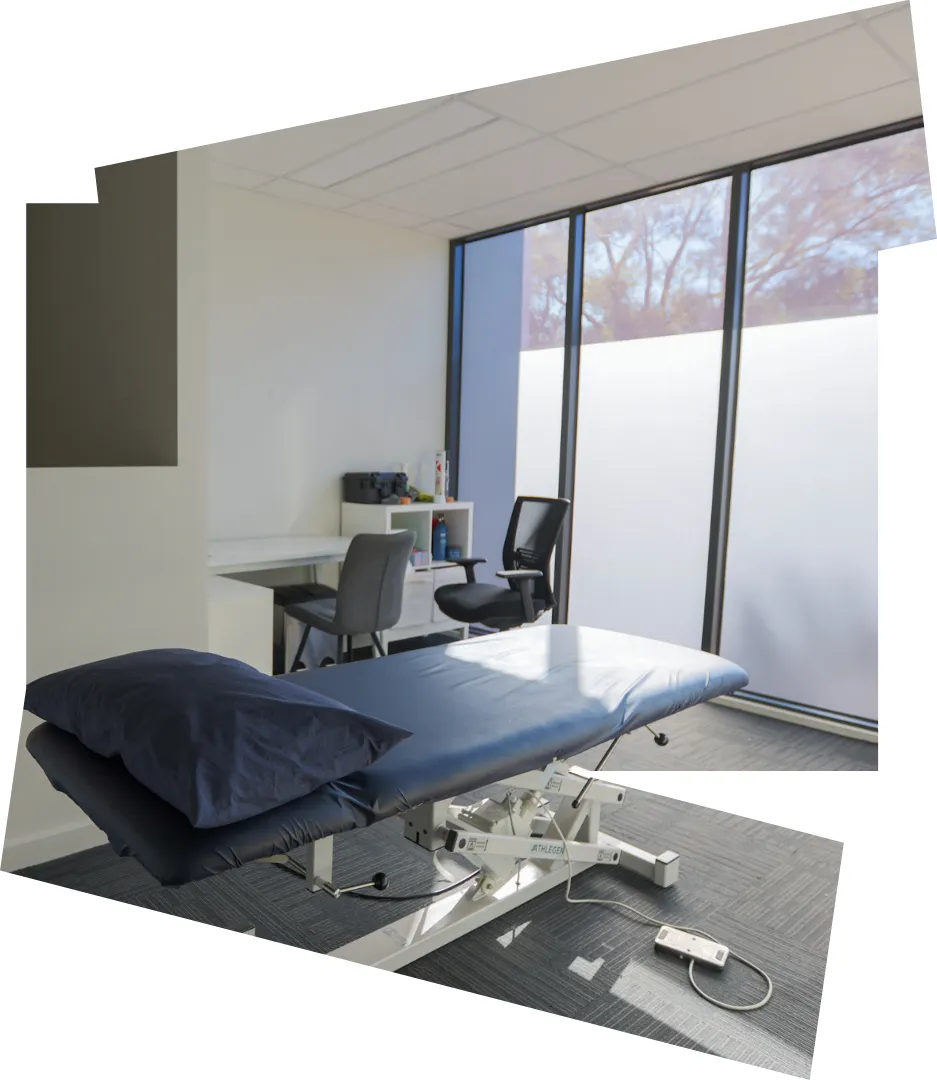
Sport Specific Injury Management & Prevention

03
Concussion Clinic
Keeping Your Brain Safe With Up To Revolutionary Concussion Care
01
Athlete Performance Program
High Performance Training Throughout Your Entire Season.
02
Sports Physio
Sport Specific Injury Management & Prevention
03
Concussion Clinic
Keeping Your Brain Safe With Up To Revolutionary Concussion Care
Performance is for all of us.
We offer comprehensive coaching, team support, and science-backed tools to enhance every facet of life for all those we serve.
250+
5 Star Google Reviews
5,000+
Athletes Coached
15+
Professional Athletes
Pivot Sports Performance
Coaches prepare you and your teams for workplace success.
With our experts and your commitment, athletes at our Bundoora & Ringwood facilities will excel in sports performance.
Testimonial
Here's What People Are Saying


Blogs
Latest and Greatest

Why Young Athletes Keep Getting Injured | Pivot Sports Performance
Why are so many young athletes getting injured?
If your child plays sport, you have probably noticed it.
More kids are dealing with sore knees, rolled ankles, hamstring strains, back pain, stress injuries and recurring tightness. Some are missing weeks of sport. Others are constantly playing through pain and never quite feel fully fit.
For many parents, it can feel like injuries are just part of growing up in sport.
But most youth injuries are not just bad luck.
They often come from a simple mismatch between what the athlete’s body is prepared for and what their sport is asking them to do.
Young athletes are sprinting, jumping, landing, cutting, tackling, kicking, bowling, throwing and competing under fatigue. At the same time, many are growing rapidly, playing multiple sports, training with different teams and getting very little structured strength or movement preparation.
The result is a body that is being asked to perform at a high level without always having the strength, speed, coordination or recovery base to cope.
At Pivot Sports Performance, we see this every week across our Bundoora and Ringwood facilities. The good news is that many of these issues can be improved with the right plan.
Young athletes are playing more, but preparing less
One of the biggest problems in youth sport is that competition has increased faster than preparation.
Many athletes now have:
Club training
School sport
Representative sport
Private coaching
Matches on weekends
Tournaments
Academy sessions
Gym work that may or may not be structured
On paper, this looks like a highly active athlete.
But being busy is not the same as being physically prepared.
A young footballer might train three times per week and play every weekend, but still have poor hamstring strength, poor landing control and limited exposure to high-speed sprinting. A basketballer might play several games in a weekend but never develop the calf, hip and trunk strength needed to tolerate repeated jumping and change of direction. A young runner might build kilometres quickly without the strength base to manage the load.
Sport develops sport skill. It does not automatically develop the physical qualities needed to stay injury resistant.
That is where structured strength and conditioning becomes important.
The most common injuries linked with poor strength, speed and load management
Different sports expose athletes to different injury risks, but many youth injuries have similar underlying causes.
They often come from poor strength, poor force absorption, sudden increases in training load, limited sprint exposure, poor landing mechanics or returning to sport before the athlete is truly ready.
Hamstring strains
Hamstring injuries are common in field sport athletes, especially footballers, soccer players and sprinters.
They are often linked with:
Poor exposure to high-speed running
Rapid spikes in sprint load
Poor eccentric hamstring strength
Fatigue
Returning to sprinting too quickly after injury
Poor acceleration or max velocity mechanics
A young athlete may be able to jog pain-free, but that does not mean they are ready to sprint at game speed.
For athletes dealing with recurring hamstring tightness or strains, a proper rehab plan should include strength, sprint progression and return-to-speed exposure.
Related internal link: Lower Body Strength for Footy Performance
ACL injuries and knee pain
Knee injuries are common in sports that involve jumping, landing, cutting, pivoting and contact.
ACL injuries are one of the most serious examples, but young athletes may also experience patellofemoral pain, patellar tendinopathy, Osgood-Schlatter symptoms or general knee overload.
These injuries can be linked with:
Poor landing mechanics
Weak quadriceps, hamstrings and glutes
Poor hip and trunk control
Rapid increases in jumping or running load
Poor deceleration mechanics
Returning to sport without testing
Athletes who cut, land or decelerate poorly may place extra stress through the knee. This is why strength, movement coaching and return-to-sport testing are so important.
Related internal links:
ACL Rehabilitation and Knee Physio
ACL Rehab Ringwood
Ankle sprains
Ankle sprains are one of the most common injuries in youth sport.
They often occur when an athlete lands awkwardly, changes direction quickly, steps on another player’s foot or returns to sport before regaining full balance and strength.
Ankle sprains are commonly linked with:
Poor balance and proprioception
Reduced calf strength
Poor landing control
Inadequate rehab after a previous sprain
Returning to sport before hopping, cutting and landing are restored
Fatigue late in games
The biggest mistake with ankle sprains is treating them as minor injuries.
If an athlete repeatedly rolls the same ankle, it usually means they have not fully restored strength, balance, stiffness, control and confidence.
Related internal links:
Sports Physiotherapy Bundoora
Sports Physiotherapy Ringwood
Groin pain
Groin pain is common in football, soccer, hockey, basketball and running-based sports.
It is often linked with:
Rapid increases in kicking, sprinting or change of direction
Weak adductors
Poor hip strength
Poor trunk control
High running loads
Incomplete return-to-sport progressions
Groin pain can become persistent if it is ignored. Athletes often try to keep training because the pain warms up, but it can gradually worsen across the season.
A good plan should include adductor strength, hip strength, progressive running, change of direction exposure and sport-specific reloading.
Calf and Achilles pain
Calf and Achilles issues are common in running, football, basketball, netball and court sports.
They can be linked with:
Sudden increases in running volume
Sudden increases in sprinting
Poor calf strength
Poor ankle stiffness
Inadequate recovery
Too much jumping or change of direction too soon
Poor footwear or surface changes
Calf and Achilles injuries often occur when athletes build running volume faster than their tissue capacity can tolerate.
This is common during preseason, after school holidays, or when an athlete returns from another injury and tries to catch up quickly.
Lower back pain
Lower back pain in young athletes is often linked with growth, training load, sport volume and poor strength foundations.
It can be associated with:
High running or jumping loads
Repeated extension or rotation
Poor trunk strength
Poor hip control
Rapid growth
Bowling, kicking, lifting or gym technique issues
Training through fatigue
Back pain in young athletes should not be ignored, especially if it is persistent, worsening, associated with running or jumping, or limiting sport.
Shoulder injuries
Shoulder injuries are common in throwing athletes, swimmers, gymnasts, combat sport athletes and contact sport athletes.
They can be linked with:
Poor shoulder strength
Poor scapular control
Sudden increases in throwing volume
Contact or tackling demands
Poor trunk and hip contribution
Returning to contact too quickly
Poor gym technique
Shoulder rehab should not only focus on the shoulder. It should consider the whole athlete, including trunk strength, hip power, contact confidence and sport-specific demands.
Strength training is not dangerous for young athletes. Poor preparation is.
Many parents still worry that strength training is unsafe for kids.
The research does not support that fear.
Youth resistance training can be safe and effective when it is supervised by qualified professionals, matched to the athlete’s age and training history, and focused on good technique.
The issue is not young athletes lifting weights.
The issue is young athletes being exposed to high sport demands without the strength to tolerate them.
Strength training helps develop:
Stronger muscles and tendons
Better landing mechanics
Improved running posture
Better trunk and hip control
Greater capacity to absorb force
More confidence in contact and contest situations
For youth athletes, strength training should not look like adult bodybuilding. It should be progressive, coached and based around quality movement.
At Pivot, this usually means teaching athletes how to squat, hinge, lunge, push, pull, brace, land, jump, accelerate, decelerate and change direction well.
Related internal link: Online Strength and Conditioning Coaching
Speed is one of the missing pieces in injury prevention
A lot of young athletes train hard, but they do not actually sprint often.
This matters.
Many field and court sport injuries happen during high-speed running, acceleration, deceleration or change of direction. If an athlete is never gradually exposed to these speeds in training, game day becomes the first time their body experiences that demand.
That is a problem.
For example, a footballer might jog laps, do ball work and complete repeat efforts at training, but rarely hit near-max speed. Then on Saturday, they chase an opponent, open up into a full sprint and feel their hamstring grab.
The body adapts to what it is exposed to.
If we want young athletes to tolerate sprinting, they need smart sprint exposure. Not random running until they are tired. Not punishment laps. Actual speed development.
That may include:
Acceleration drills
Max velocity sprint exposure
Sprint mechanics
Deceleration drills
Change of direction work
Plyometrics
Gradual return-to-sprint progressions after injury
This is especially important for athletes returning from hamstring, groin, calf, ankle, knee or hip injuries.
Being able to jog pain-free does not mean an athlete is ready to sprint, cut or compete.
Load management is not about doing less. It is about building smarter.
Load management is often misunderstood.
It does not mean wrapping athletes in cotton wool. It does not mean avoiding hard training. It does not mean telling kids to stop playing sport.
Good load management means understanding how much work an athlete is doing, how quickly that work is changing, and whether their body is coping.
Training load includes more than just sessions at the gym.
It includes:
Matches
Training sessions
School sport
Representative sport
Running volume
Sprint volume
Gym work
Recovery
Sleep
Growth spurts
Stress
Previous injury history
A young athlete may only tell their coach they train twice per week, but when you add school sport, club sport, private coaching and weekend matches, their actual weekly load may be much higher.
Load is not bad. Athletes need load to get fitter, stronger and more resilient.
The problem is when load spikes too quickly.
Examples include:
Going from school holidays into full preseason
Returning from injury straight into full training
Playing multiple games in a tournament weekend
Starting running again after a growth spurt
Adding gym, extra skills and club training all at once
Returning from illness and trying to catch up immediately
A better approach is to build capacity gradually.
That means the athlete can still train hard, but the progression is planned.
Growth spurts change everything
Growth spurts are a major reason young athletes suddenly feel awkward, sore or injury-prone.
During a growth phase, the athlete’s bones may grow faster than their muscles and tendons adapt. Their coordination can temporarily change. Their running mechanics can look different. Their landing strategy may become less controlled. They may complain of heel pain, knee pain, hip pain or back pain.
This does not mean they are weak or lazy.
It means their body is changing.
During these periods, athletes often need:
Better strength work
More recovery
Reduced spikes in running or jumping load
Technique coaching
Footwear review
Monitoring of pain
Clear communication between parents, coaches and clinicians
Ignoring pain during a growth spurt can turn a small issue into a longer-term problem.
The goal is not to stop every athlete from playing. The goal is to adjust the plan early so they can keep building safely.
Pain-free does not always mean ready
One of the most common mistakes in youth sport is returning an athlete to full play as soon as pain settles.
Pain is only one part of readiness.
An athlete can be pain-free but still lack:
Strength
Power
Balance
Sprint capacity
Landing control
Change of direction confidence
Contact confidence
Fitness
Sport-specific exposure
This is why return-to-sport testing matters.
Testing gives us objective information. It helps answer better questions than “How does it feel?”
For example:
Is the injured side as strong as the other side?
Can the athlete produce force quickly?
Can they hop, land and decelerate well?
Have they sprinted at game speed?
Can they tolerate fatigue?
Are they confident in contact?
Have they completed sport-specific progressions?
Without testing, return to sport is often based on guesswork.
At Pivot, we use performance testing and clinical reasoning to help athletes return with more confidence. This is especially important after ACL injuries, hamstring strains, ankle sprains, groin pain, shoulder injuries and calf injuries.
Related internal links:
Bundoora 2.0 Athlete Training Facility
Book Sports Physiotherapy
What parents can do to reduce injury risk
Parents do not need to become coaches, physios or sports scientists.
But they can help by asking better questions.
Instead of only asking, “Are you sore?”, try asking:
How many sessions have you done this week?
Did you sprint at training?
Are you sleeping well?
Are you feeling more tired than usual?
Is the pain getting better, worse or staying the same?
Are you doing strength work consistently?
Has your training changed suddenly?
Are you worried about any movement at sport?
Early conversations often prevent bigger problems.
Parents should also look out for warning signs such as:
Pain that gets worse during sport
Pain that changes running style
Limping
Swelling
Repeated tightness
Loss of confidence
Reduced performance
Avoiding certain drills or movements
Needing pain relief to play
These signs do not always mean the athlete needs to stop completely, but they do mean the athlete should be assessed.
The best injury prevention plan is not complicated
Young athletes do not need a perfect program.
They need a consistent one.
A strong injury prevention plan should include:
Strength training
Sprint exposure
Landing and deceleration mechanics
Mobility where needed
Gradual load progression
Recovery habits
Sport-specific conditioning
Objective testing
Communication between athlete, parent, coach and clinician
The best programs are simple, repeatable and progressive.
For most athletes, two structured strength and conditioning sessions per week can make a significant difference when the program is individualised and coached well.
How Pivot helps young athletes stay on the field
At Pivot Sports Performance, we help young athletes build the physical qualities they need for sport.
Our team combines sports physiotherapy, strength and conditioning, performance testing and return-to-sport planning across our Bundoora and Ringwood facilities.
We work with athletes who are:
Currently injured
Returning from injury
Struggling with recurring pain
Preparing for preseason
Moving into higher levels of sport
Wanting to improve speed, strength and confidence
Needing a clearer return-to-sport plan
Our goal is simple.
We want young athletes to move better, get stronger, run faster and stay involved in the sports they love.
Book an assessment
If your child keeps getting injured, feels sore every week or is returning from injury, we can help identify what is missing.
Book a sports physio assessment, performance test or Athlete Performance Program consult at Pivot Sports Performance.
Book here: Book Sports Physiotherapy
FAQs
Why does my child keep getting injured?
Recurring injuries are often linked to poor strength, sudden training load spikes, growth spurts, inadequate recovery or returning to sport before the body is ready.
What are the most common injuries in young athletes?
Common injuries include hamstring strains, ankle sprains, knee pain, ACL injuries, groin pain, calf injuries, Achilles pain, lower back pain and shoulder injuries.
Is strength training safe for young athletes?
Yes. Strength training is safe and beneficial when it is supervised, age-appropriate and focused on technique. The key is proper coaching and gradual progression.
How many strength sessions should a young athlete do?
Most young athletes benefit from two structured sessions per week, depending on their sport, age, injury history and training schedule.
Does my child need testing before returning to sport?
Testing is strongly recommended after significant injuries. Pain-free movement does not always mean the athlete is ready for sprinting, cutting, contact or competition.
When should my child see a sports physio?
They should be assessed if pain is persistent, worsening, changing how they move, affecting performance, or returning repeatedly.

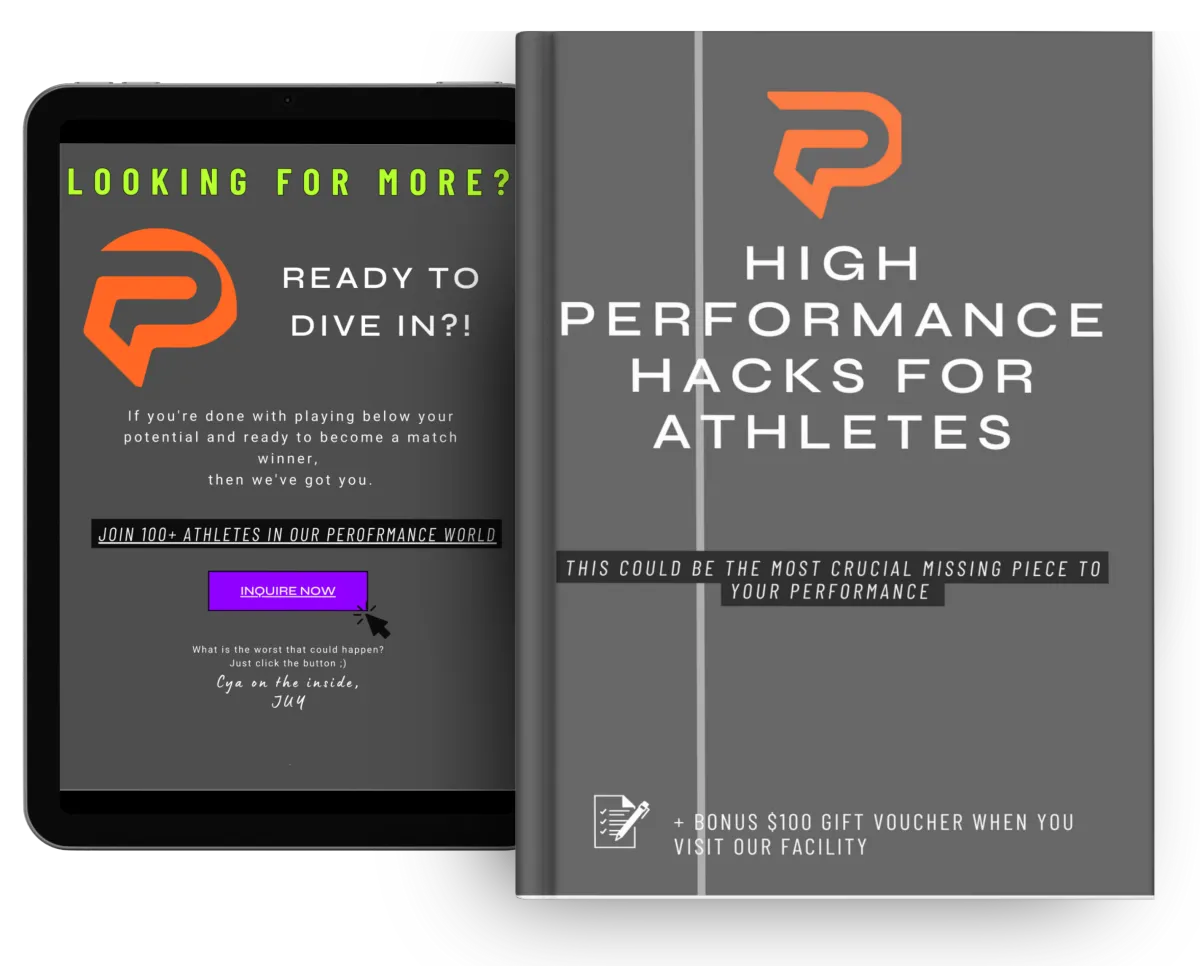
Download Your
High Performance Hacks Here

Do you like the look of working with us?
Contact Us
We’d love to hear from you. We consult for individual athletes and sports teams. Tell us what you’re looking for, and we’ll guide you to the services that are right for you (even if that's not with us!).



Bundoora Location
23-25 Clements Avenue, Bundoora VIC 3083
Ringwood Location
Unit 1/7 Oban Rd, Ringwood VIC 3134
Bundoora Location
29 Clements Ave, Bundoora VIC 3083
Ringwood Location
Unit 1/7 Oban Road, Ringwood, 3134
Website & Marketing Powered By Gymini