Everything An Athlete Needs
In One Place
Our Strength and Conditioning Gym & Sports Rehab Facilities In Bundoora & Ringwood Help You Get Back To Sport & Maximise Your Performance
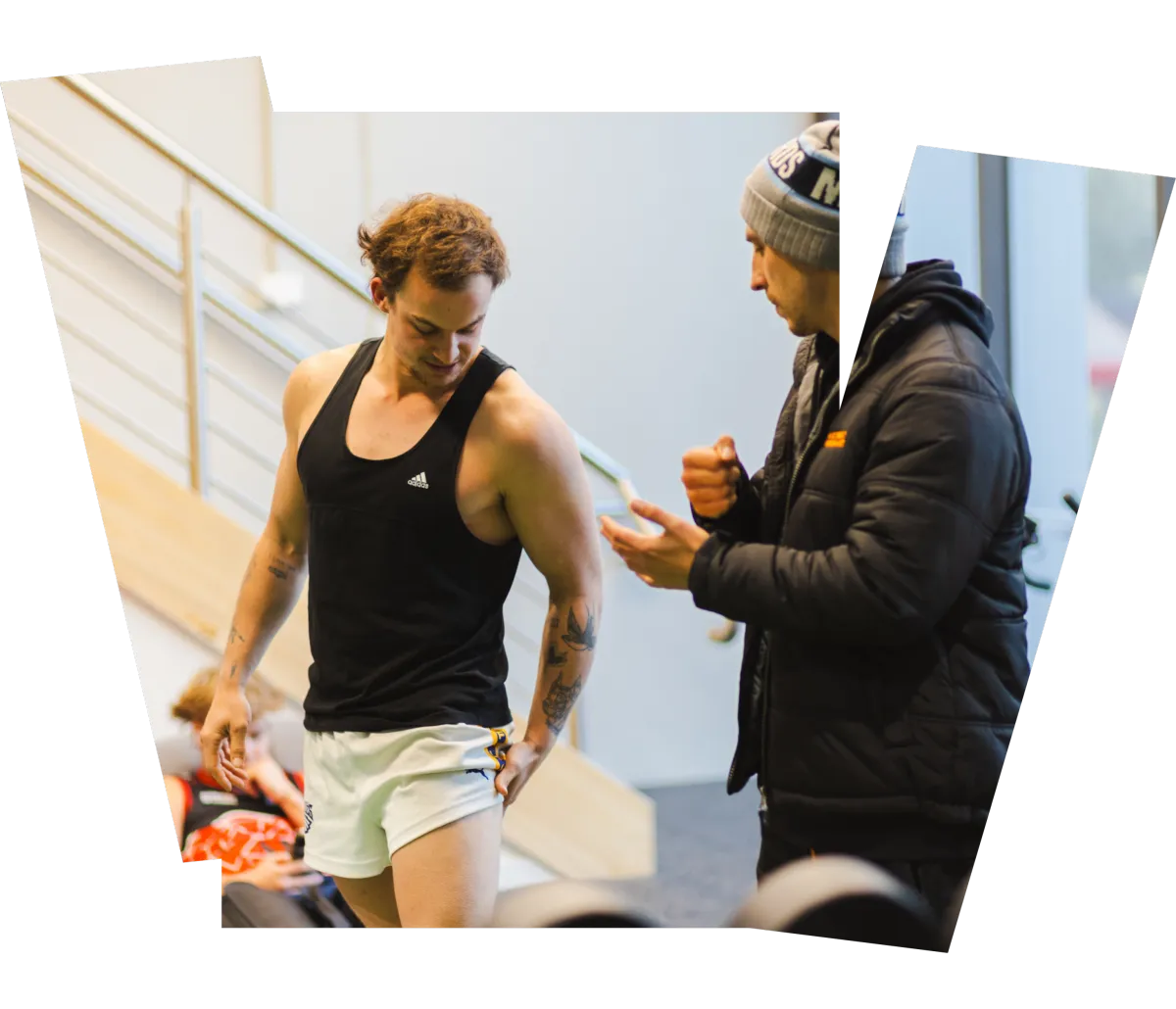
Excellent coaching and great programs set made for improving performance in your chosen sport, good facility and awesome vibes. - Angus
You Play Sport,
We Do The Rest.
Our Performance Consultants Are In The Corner Of Every Aspiring Athlete. We Provide A Complete System For Sports Performance, With Strength & Conditioning, Sports Physiotherapy, Concussion Management and Recovery Services At Our Facility.
Our Physios Have Been Trusted By







01

Athlete Performance Program
High Performance Training Throughout Your Entire Season.
Sports Physio
Sport Specific Injury Management & Prevention

03
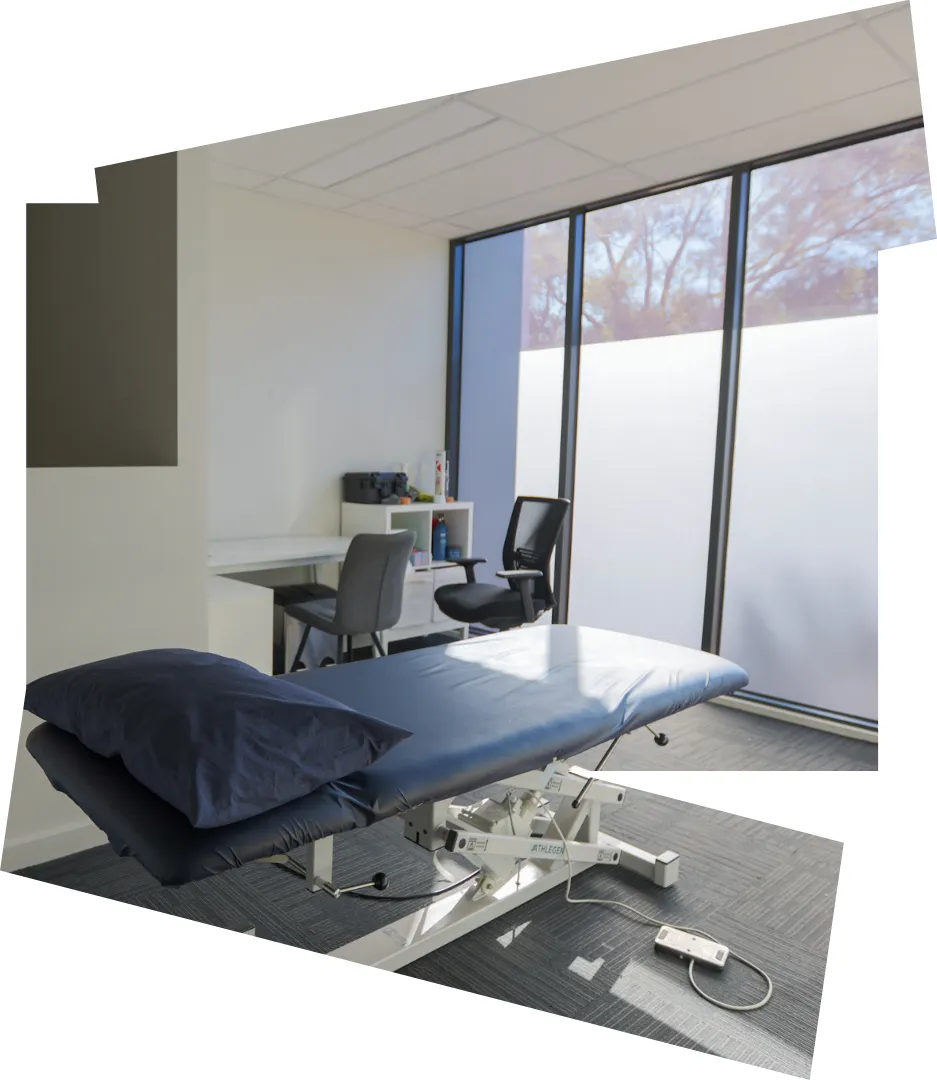
Concussion Clinic
Keeping Your Brain Safe With Up To Revolutionary Concussion Care
01
Athlete Performance Program
High Performance Training Throughout Your Entire Season.
02
Sports Physio
Sport Specific Injury Management & Prevention
03
Concussion Clinic
Keeping Your Brain Safe With Up To Revolutionary Concussion Care
Performance is for all of us.
We offer comprehensive coaching, team support, and science-backed tools to enhance every facet of life for all those we serve.
250+
5 Star Google Reviews
5,000+
Athletes Coached
15+
Professional Athletes
Pivot Sports Performance
Coaches prepare you and your teams for workplace success.
With our experts and your commitment, athletes at our Bundoora & Ringwood facilities will excel in sports performance.
Testimonial
Here's What People Are Saying


Blogs
Latest and Greatest
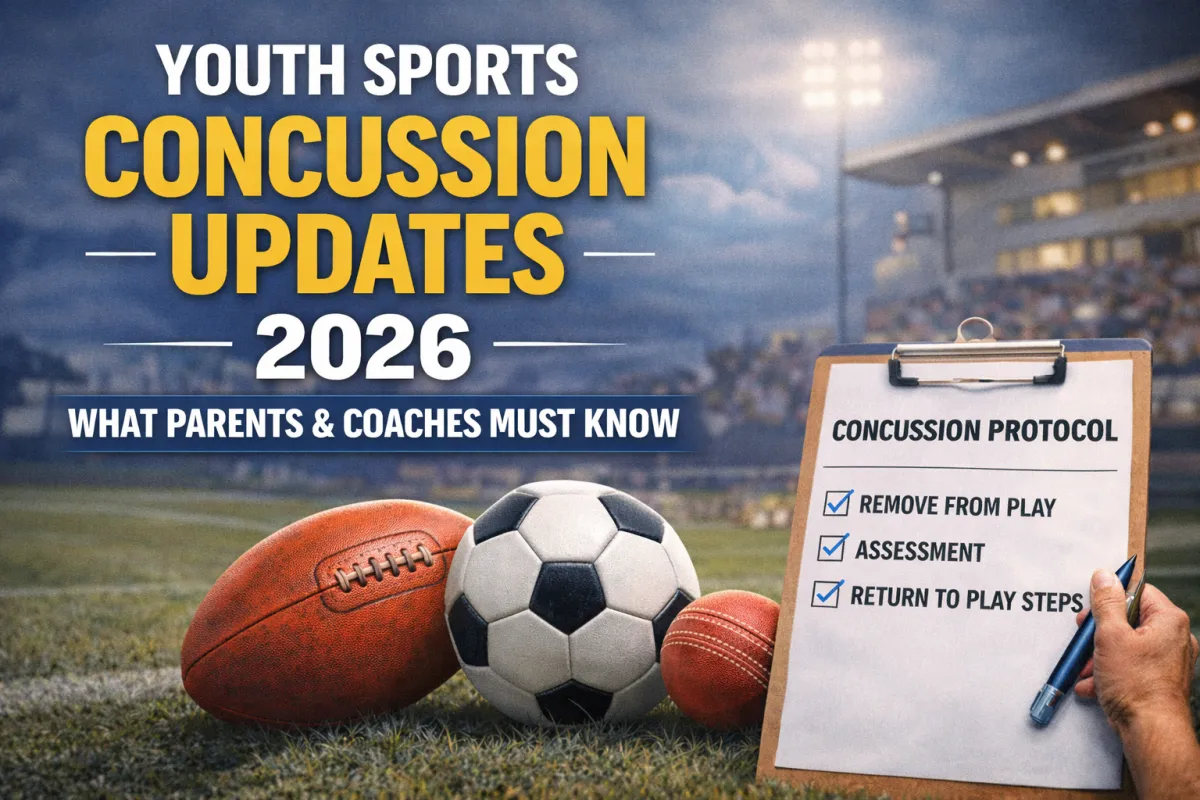
Practical 2026 Concussion Updates Every Parent and Coach Should Know
Practical 2026 Concussion Updates Parents and Coaches Must Know
If your child plays sport, concussion isn’t a maybe. It’s a when.
The good news is that concussion management has improved significantly over the past few years. The old school advice of “just rest in a dark room for a week” is outdated. The approach in 2026 is smarter, more structured and backed by better research.
Here’s what parents and coaches need to understand right now.
1. Strict Rest Is Out. Guided Recovery Is In.
One of the biggest shifts in concussion care is the move away from prolonged complete rest.
Current best practice, including the AIS Concussion and Brain Health Position Statement, recommends a short period of relative rest in the first 24 to 48 hours. After that, light, symptom guided activity is encouraged rather than total shutdown.
That means:
Light walking is often okay
Gentle school re engagement is usually beneficial
Complete isolation is rarely helpful
We now know that controlled, gradual activity can actually help recovery when done properly.
You can read the full AIS position statement here:
https://www.ais.gov.au/position_statements/concussion
2. Recognise and Remove Is Non Negotiable
If there is any suspicion of concussion, the athlete must come off immediately.
No finishing the quarter.
No “just one more rotation.”
No waiting to see if it settles.
Signs can include:
Headache or pressure in the head
Dizziness or balance issues
Confusion or looking dazed
Blurred vision
Behaviour that seems off
Loss of consciousness is not required for a concussion diagnosis.
At Pivot, we always tell parents and coaches the same thing: when in doubt, sit them out.
3. Return to School Comes Before Return to Sport
A big focus in current concussion management is return to learn.
Kids should successfully return to school before progressing to full contact sport. This may involve:
Reduced workload initially
Extra time for assessments
Breaks during the day
Temporary modification of screen exposure
The brain needs cognitive tolerance before we load it physically.
4. The Stepwise Return to Sport Is Structured for a Reason
The AIS protocol outlines a staged return to sport progression. Each stage increases load gradually and should only progress if symptoms do not worsen.
In simple terms, the stages move from:
Light aerobic activity
Sport specific movement
Non contact training
Controlled contact
Full competition
Each stage should take at least 24 hours, and if symptoms flare, you step back.
This is where professional guidance matters. Rushing this process increases risk of prolonged symptoms and repeat injury.
5. Baseline Testing Is Helpful, But Not a Free Pass
Baseline concussion testing can be useful, especially for youth athletes in contact sports. It gives us pre injury cognitive data to compare against after a head knock.
But it does not:
Prevent concussion
Replace medical assessment
Allow faster return to play
It is one piece of the bigger picture.
6. Most Concussions Recover Well With Proper Management
This is important for parents to hear.
The vast majority of young athletes recover fully when concussion is managed correctly. Problems usually arise when:
The athlete keeps playing after a hit
Symptoms are ignored
Return to sport is rushed
There is no structured medical follow up
Early assessment and guided rehab make a significant difference.
How We Manage Concussion at Pivot Sports Performance
At our Concussion Centre in Bundoora, we follow current evidence based guidelines, including the AIS framework.
Our process includes:
Detailed clinical assessment
Symptom monitoring
Individualised return to learn planning
Graduated return to sport programming
Exercise based concussion rehabilitation where appropriate
Communication with schools and clubs when needed
We work closely with families to make sure no one feels unsure about the next step.
If you want to understand more about how we manage concussion, you can visit our Concussion Centre page here:
https://www.pivotsportsperformance.com.au/concussion-centre
Final Takeaway for Parents and Coaches
Concussion management in 2026 is clearer than it has ever been:
Remove early.
Assess properly.
Return gradually.
Communicate clearly.
Young brains are resilient, but they deserve structured care.
If you are unsure whether your child’s head knock needs assessment, it is always safer to have it checked.

Download Your
High Performance Hacks Here

Do you like the look of working with us?
Contact Us
We’d love to hear from you. We consult for individual athletes and sports teams. Tell us what you’re looking for, and we’ll guide you to the services that are right for you (even if that's not with us!).


Bundoora Location
23-25 Clements Avenue, Bundoora VIC 3083
Ringwood Location
Unit 1/7 Oban Rd, Ringwood VIC 3134
Bundoora Location
29 Clements Ave, Bundoora VIC 3083
Ringwood Location
Unit 1/7 Oban Road, Ringwood, 3134
Website & Marketing Powered By Gymini