
Welcome To
Our Blog
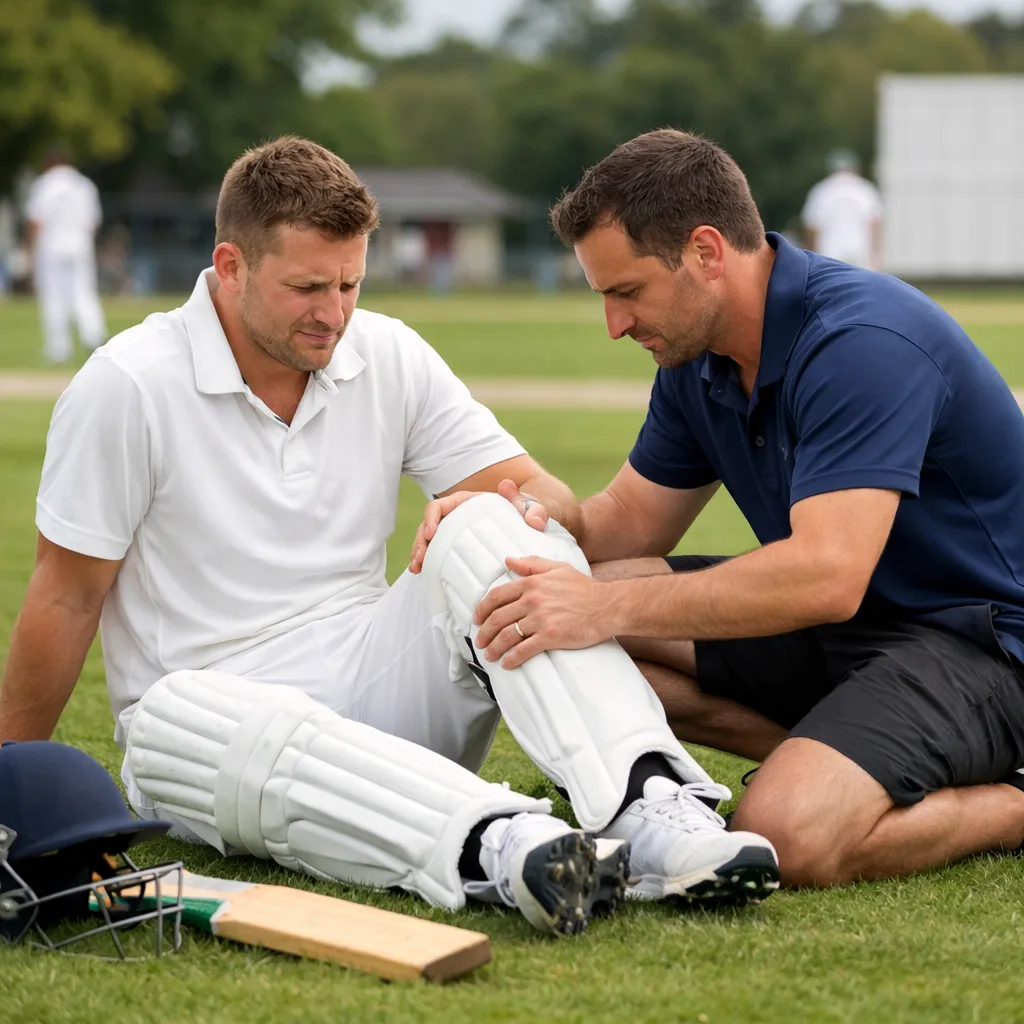
Common Cricket Injuries and What Players Should Look Out For
Common Cricket Injuries and What to Look Out For
Cricket is often seen as a low impact sport, but anyone who has played or worked around the game knows that injuries are extremely common. Long seasons, repetitive movements, high bowling loads, and minimal rest can place significant stress on the body. From junior players through to elite athletes, cricket injuries can derail performance and keep players off the field for weeks or months if not managed early.
Understanding the most common cricket injuries and the early warning signs can help players, parents, and coaches act before small issues become major problems.
Fast Bowling Injuries
Fast bowlers are at the highest risk of injury in cricket. The repeated high speed, high force action places enormous stress on the lower back, hips, knees, and ankles.
Common fast bowling injuries include
• Lower back stress reactions and stress fractures
• Side strain injuries to the abdominal muscles
• Hip and groin pain
• Knee and ankle overload injuries
What to look out for
1. Persistent back pain, especially on one side
2. Pain that worsens with bowling spells
3. Loss of speed or accuracy
4. Stiffness the day after bowling
Early management is critical. Bowling through pain significantly increases the risk of serious stress fractures, particularly in junior cricketers whose bones are still developing.
Shoulder Injuries
Throwing, bowling, and repetitive overhead movements place heavy demands on the shoulder. Shoulder injuries are common across batters, bowlers, and fielders.
Common shoulder issues include
• Rotator cuff tendinopathy
• Shoulder impingement
• Labral injuries
• Shoulder instability
What to look out for
1. Pain when throwing or bowling
2. Reduced throwing speed or distance
3. Clicking or catching sensations
4. Pain at night or after matches
Ignoring shoulder pain often leads to longer recovery times. Early physiotherapy can correct movement patterns, improve strength, and reduce workload stress.
Hamstring and Lower Limb Strains
Sprinting between wickets, sudden changes of direction, and explosive fielding efforts make hamstring and calf injuries common in cricket.
Common lower limb injuries include
• Hamstring strains
• Calf strains
• Quadriceps strains
• Ankle sprains
What to look out for
1. Tightness during warm ups
2. Sharp pain when sprinting
3. Reduced stride length
4. Previous injury history
Recurrent hamstring injuries are often linked to poor load management and strength deficits. A structured strength and conditioning program significantly reduces risk.
Wrist, Hand, and Finger Injuries
Batting and fielding expose players to high speed ball impacts, making hand injuries frequent.
Common injuries include
• Finger fractures or dislocations
• Wrist sprains
• Impact bruising and soft tissue injuries
What to look out for
1. Swelling or deformity
2. Pain gripping the bat
3. Loss of hand strength
4. Reduced catching confidence
Any suspected fracture or dislocation should be assessed immediately to avoid long term stiffness or loss of function.
Overuse Injuries in Junior Cricketers
Junior players are particularly vulnerable to overuse injuries due to rapid growth, increasing training loads, and playing multiple teams or formats.
Common junior cricket injuries include
• Lower back stress injuries
• Growth plate injuries
• Knee pain such as Osgood-Schlatter disease
• Heel pain
What to look out for
1. Pain that lingers for weeks
2. Performance drop without clear reason
3. Pain affecting daily activities
4. Reluctance to train or play
Monitoring bowling loads, ensuring adequate rest, and avoiding year round competition are essential for junior injury prevention.
When to See a Physiotherapist
Cricket injuries rarely resolve by simply resting and hoping for the best. Early assessment allows targeted treatment, load modification, and a clear return to play plan.
You should seek physiotherapy support if
• Pain lasts longer than one week
• Pain returns every time you play
• Performance is declining due to discomfort
• You have had the same injury before
A cricket experienced physiotherapist can identify risk factors, correct technique issues, and build resilience so players stay on the field longer.
Staying Injury Free This Season
Injury prevention in cricket comes down to smart preparation and management. Key strategies include
• Gradual increases in bowling and training loads
• Regular strength and conditioning
• Adequate recovery and sleep
• Early reporting of pain or soreness
We wrote a recent blog about preventing injuries and handling heat stress. Read it here.
Cricket is a demanding sport, and the best availability is availability. Addressing issues early is the difference between a short setback and a season ending injury. Click here to get into contact with one of our physios.

01

Athlete Performance Program
High Performance Training Throughout Your Entire Season.
02
Sports Physio
Sport Specific Injury Management & Prevention
03
Concussion Clinic
Keeping Your Brain Safe With Up To Revolutionary Concussion Care
Bundoora Location
23 Clements Ave, Bundoora, 3083

Ringwood Location
Unit 1/7 Oban Road, Ringwood, 3134

Website & Marketing Powered By Gymini