
Everything An Athlete Needs
In One Place
Our Strength and Conditioning Gym & Sports Rehab Facilities In Bundoora & Ringwood Help You Get Back To Sport & Maximise Your Performance
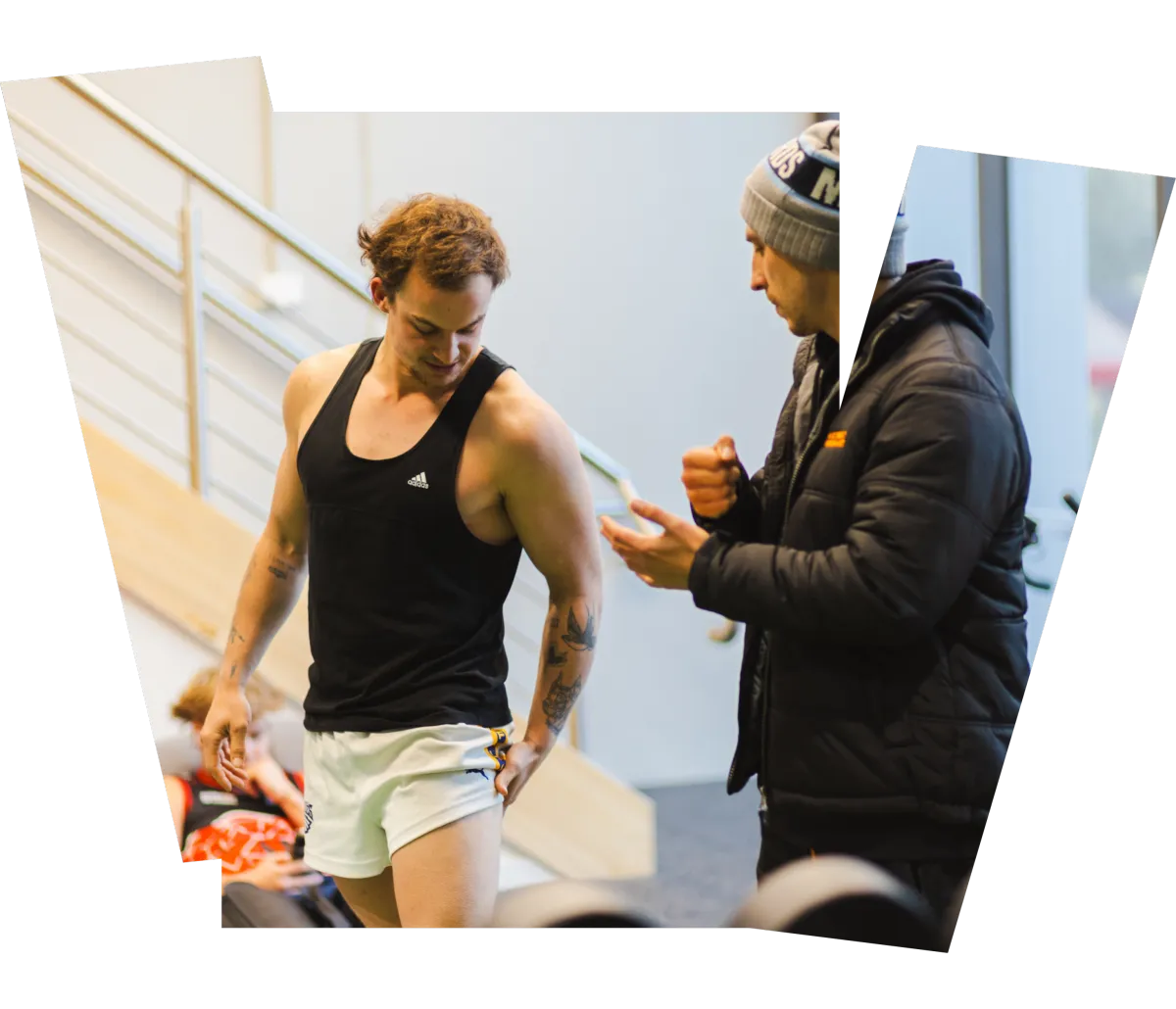
Excellent coaching and great programs set made for improving performance in your chosen sport, good facility and awesome vibes. - Angus
You Play Sport,
We Do The Rest.
Our Performance Consultants Are In The Corner Of Every Aspiring Athlete. We Provide A Complete System For Sports Performance, With Strength & Conditioning, Sports Physiotherapy, Concussion Management and Recovery Services At Our Facility.
Our Physios Have Been Trusted By











01

Athlete Performance Program
High Performance Training Throughout Your Entire Season.
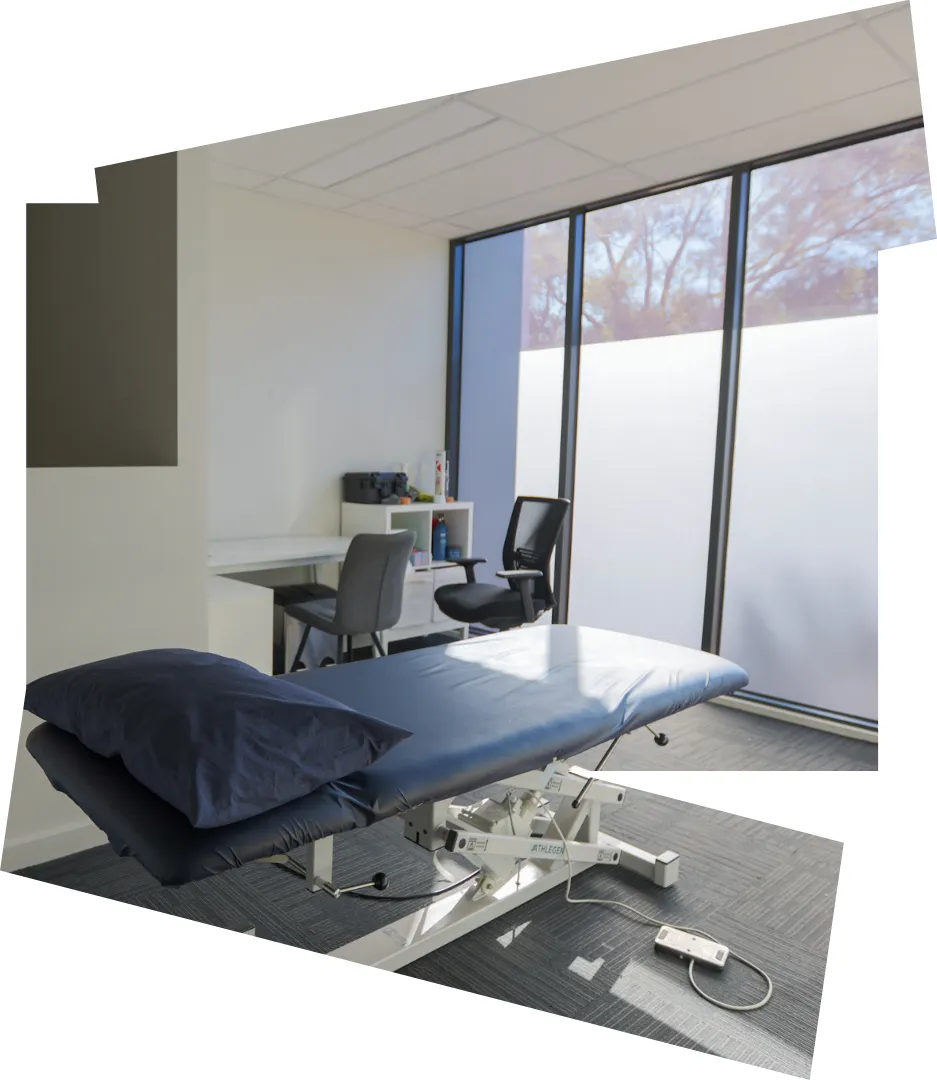
Sports Physio
Sport Specific Injury Management & Prevention

03
Concussion Clinic
Keeping Your Brain Safe With Up To Revolutionary Concussion Care
01
Athlete Performance Program
High Performance Training Throughout Your Entire Season.
02
Sports Physio
Sport Specific Injury Management & Prevention
03
Concussion Clinic
Keeping Your Brain Safe With Up To Revolutionary Concussion Care
Performance is for all of us.
We offer comprehensive coaching, team support, and science-backed tools to enhance every facet of life for all those we serve.
250+
5 Star Google Reviews
5,000+
Athletes Coached
15+
Professional Athletes
Pivot Sports Performance
Coaches prepare you and your teams for workplace success.
With our experts and your commitment, athletes at our Bundoora & Ringwood facilities will excel in sports performance.
Testimonial
Here's What People Are Saying


Blogs
Latest and Greatest
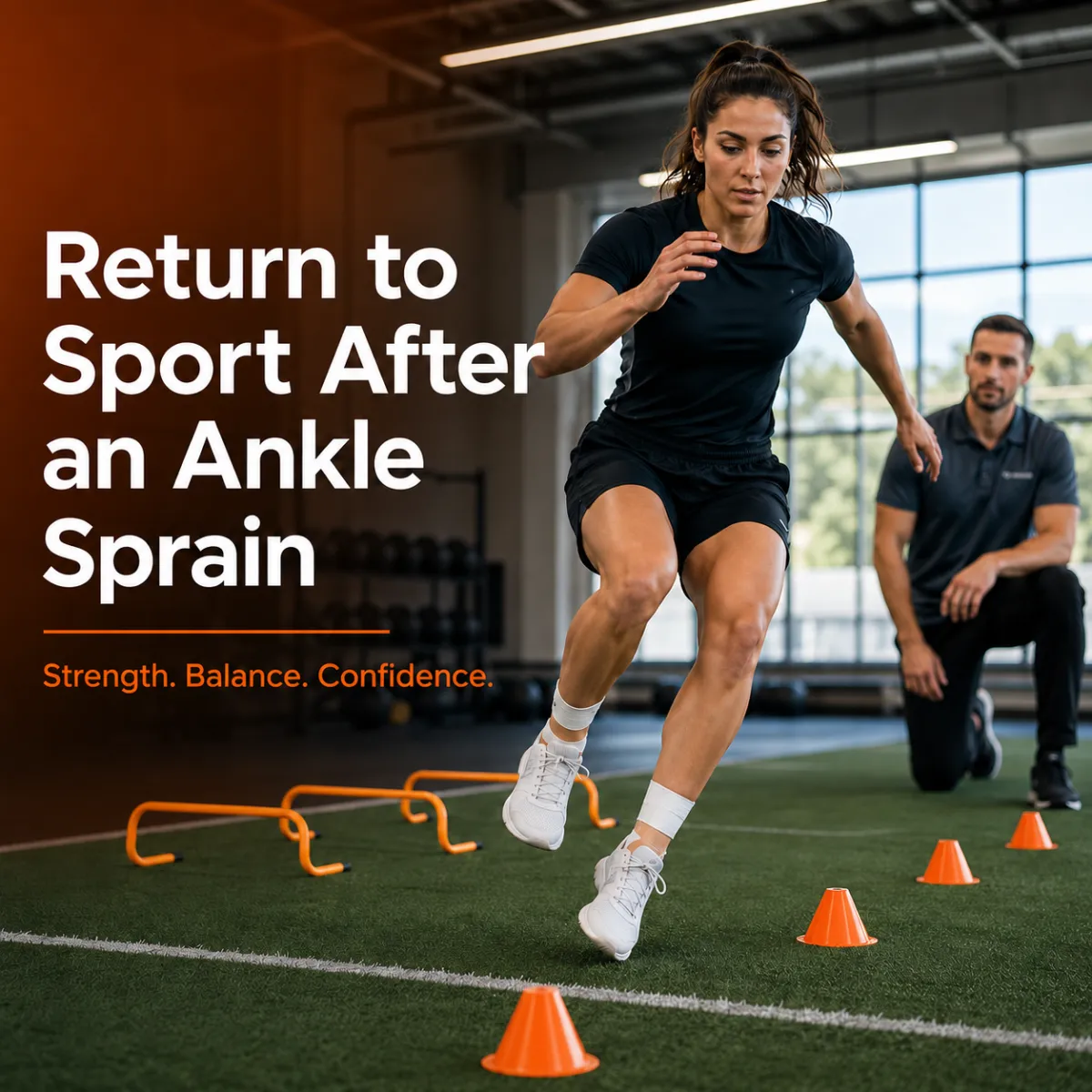
Ankle Sprain Rehab for Athletes | Sports Physio Bundoora & Ringwood
Ankle Sprain Rehab for Athletes: When Is It Safe to Return to Sport?
SEO Title: Ankle Sprain Rehab for Athletes | Sports Physio Bundoora & Ringwood
URL Slug: ankle-sprain-rehab-return-to-play-sports-physio
Meta Description: Rolled your ankle playing netball, football, basketball or court sport? Learn how sports physio can guide ankle sprain rehab, strength, balance and safe return to play.
Keywords: ankle sprain rehab, sports physio ankle sprain, ankle sprain physio Bundoora, ankle sprain physio Ringwood, netball ankle injury, football ankle sprain rehab, lateral ankle sprain rehab, return to play ankle sprain, ankle instability treatment, sports physiotherapy Bundoora, sports physiotherapy Ringwood
Ankle Sprain Rehab for Athletes: When Is It Safe to Return to Sport?
Rolling your ankle is one of those injuries that athletes often brush off.
You limp for a few days, the swelling settles, the bruising fades, and before long you convince yourself that it is probably fine. Then you get back to netball, football, basketball, soccer, running or gym work and something still does not feel right.
You might feel slow when you push off.
You might feel nervous when you land.
You might avoid changing direction on that side.
Or worse, you roll it again.
At Pivot Sports Performance, we see this all the time. The biggest issue with ankle sprains is not usually the first few days of pain. The bigger issue is what happens when athletes return to sport without restoring strength, balance, stiffness, landing control, confidence and change of direction capacity.
Pain going away does not always mean the ankle is ready.
If you have rolled your ankle and want a clear plan for getting back to training, our team provides sports physiotherapy in Bundoora and sports physiotherapy in Ringwood for athletes who want to return properly, not just hope the injury settles.
Why Are Ankle Sprains So Common in Sport?
Ankle sprains are common in sports that involve jumping, landing, cutting, contact, acceleration and rapid changes of direction.
This includes:
Netball
AFL
Basketball
Soccer
Volleyball
Tennis
Running sports
Field and court-based sports
The most common type is a lateral ankle sprain. This usually happens when the foot rolls inwards and the ligaments on the outside of the ankle are overstretched or damaged.
For a junior netballer, this might happen when landing on another player’s foot. For a footballer, it might happen when changing direction on uneven ground. For a basketballer, it might happen when coming down from a rebound. For a runner, it might happen on a trail, curb or unstable surface.
The mechanism looks simple, but the rehab should not be treated as simple.
The 2021 lateral ankle sprain clinical practice guideline from the Journal of Orthopaedic & Sports Physical Therapy highlights that ankle sprains can lead to ongoing impairments and chronic ankle instability in some people, particularly when symptoms or instability persist after the initial injury. You can read the clinical guideline summary here: JOSPT lateral ankle sprain guideline.
What Actually Happens When You Roll Your Ankle?
When you roll your ankle, the ligaments on the outside of the ankle can be stretched, partially torn or completely torn.
Common symptoms include:
Pain on the outside of the ankle
Swelling
Bruising
Difficulty walking
Reduced ankle range of motion
Pain with running, jumping or cutting
A feeling of weakness or instability
Fear of rolling the ankle again
Some athletes can walk soon after an ankle sprain. Others can barely put weight through the foot. The severity can vary, which is why proper assessment matters.
A sports physio can assess whether the injury is likely to be a mild sprain, a more significant ligament injury, high ankle sprain, fracture risk, tendon involvement or another injury that needs further investigation.
If your pain is significant, you are struggling to walk, or the ankle is not improving as expected, you can book a sports physiotherapy appointment at Pivot Sports Performance.
The Biggest Mistake Athletes Make After an Ankle Sprain
The biggest mistake is returning to sport once the ankle “feels okay” in day-to-day life.
Walking pain-free is not the same as being ready to play sport.
Sport requires much more from the ankle than walking does. Your ankle needs to tolerate:
Sprinting
Jumping
Landing
Deceleration
Cutting
Contact
Unplanned movement
Fatigue
Repeated high-force efforts
Sport-specific chaos
If an athlete only rests, straps the ankle and waits for pain to settle, they may miss the most important parts of rehab.
This is why ankle sprains often become repeat injuries.
A systematic review published in PLOS ONE found that exercise-based rehabilitation reduces the risk of recurrent ankle sprain compared with usual care. That does not mean every athlete needs the same program, but it does support the importance of structured rehab rather than only relying on rest. You can read the review here: exercise-based rehabilitation and ankle sprain reinjury risk.
Why Ankle Sprain Rehab Matters
A good ankle sprain rehab plan does more than reduce pain. It should rebuild the qualities that help you return to sport safely and confidently.
These include:
Ankle range of motion
Calf strength
Peroneal strength
Foot and ankle control
Balance
Proprioception
Hopping capacity
Landing stiffness
Change of direction control
Running mechanics
Sport-specific confidence
For athletes, rehab should not stop at theraband exercises and calf raises. Those may be useful early, but they are not the finish line.
The finish line is being able to perform your sport at speed, under fatigue, with confidence.
This is similar to the way we approach other return-to-sport injuries at Pivot. For example, our ACL rehabilitation approach combines physio, strength, sprint mechanics and change of direction progressions because athletes need more than isolated strength exercises to return to sport.
Ankle sprains should be treated with the same mindset.
What Should Early Ankle Sprain Rehab Include?
Early rehab depends on the severity of the injury, but the first phase usually aims to settle symptoms and restore basic function.
This may include:
Managing swelling
Restoring comfortable walking
Restoring ankle range of motion
Improving calf activation
Gentle strength work
Early balance exercises
Graduated loading
Education around strapping or bracing
The goal is not to completely avoid movement. In many ankle sprains, early guided movement and progressive loading are important for recovery.
However, the key word is guided.
Doing too much too soon can flare the ankle up. Doing too little for too long can leave the ankle stiff, weak and underprepared.
What Should Mid-Stage Ankle Rehab Include?
Once walking improves and pain settles, rehab should become more athletic.
This stage may include:
Calf raise progressions
Single-leg strength work
Balance and proprioception exercises
Hopping progressions
Landing drills
Controlled change of direction
Running reintroduction
Gym-based strength work
Sport-specific movement patterns
For a netballer, this may include landing mechanics, cutting, defensive slides and repeated jumping.
For a footballer, this may include acceleration, deceleration, curved running, kicking and contested movement preparation.
For a basketballer, this may include lateral movement, repeated jumps, close-outs and landing from contact.
This is where a sports physio approach becomes important. The rehab needs to match the sport.
At Pivot Sports Performance, our Athlete Performance Program is built around this same idea. Athletes need strength, power, speed, conditioning and movement quality that transfers back to their sport.
What Should Late-Stage Ankle Rehab Include?
Late-stage ankle sprain rehab should look more like sport.
This does not mean randomly throwing the athlete back into training. It means gradually exposing the ankle to the demands of the game.
Late-stage rehab may include:
Sprinting
Max-speed running
Repeated change of direction
Reactive agility
Jumping and landing under fatigue
Contact preparation
Sport-specific drills
Training load progression
Return-to-training planning
Return-to-play testing
At Pivot Sports Performance, this is where our integrated sports physio and strength and conditioning model becomes valuable.
We do not just want you to be pain-free on the treatment table. We want you to be ready for the field, court or gym.
When Is It Safe to Return to Sport After an Ankle Sprain?
There is no single timeline that fits every athlete.
Some mild ankle sprains may return quickly. More significant injuries can take several weeks or longer. High ankle sprains, repeat sprains, large swelling, ongoing instability or poor function may require a longer plan.
A better question than “how many weeks?” is:
What can the ankle currently tolerate?
Before returning to sport, an athlete should ideally demonstrate:
Minimal or no pain with sport-specific movement
Restored ankle range of motion
Good calf strength
Good single-leg balance
Confidence in the ankle
Good hopping and landing control
Ability to accelerate and decelerate
Ability to change direction
Ability to tolerate training intensity
No major swelling response after rehab or training
The PAASS return-to-sport framework recommends considering pain, ankle impairments, athlete perception, sensorimotor control and sport or functional performance when making return-to-sport decisions after an acute lateral ankle sprain. You can read the British Journal of Sports Medicine paper here: PAASS framework for return to sport after ankle sprain.
Return to sport should be based on function, not just time.
Do I Need Ankle Taping or a Brace?
Taping or bracing can be useful, especially in the early return-to-sport phase.
For some athletes, it provides support and confidence. For others, it may reduce the risk of re-injury while the ankle continues to adapt.
But taping is not a replacement for rehab.
If your ankle only feels safe when it is strapped, that may be a sign that strength, control or confidence still need work.
The goal should be to build an ankle that is strong and capable, then use strapping or bracing as an extra layer of support when appropriate.
Why Does My Ankle Keep Rolling?
Repeated ankle sprains can happen for several reasons.
Common contributors include:
Poor balance
Reduced proprioception
Calf weakness
Peroneal weakness
Reduced ankle mobility
Poor landing mechanics
Incomplete rehab
Returning to sport too early
Previous ankle sprain history
Lack of sport-specific preparation
If your ankle keeps rolling, it is worth getting assessed. Ongoing instability can impact confidence, performance and long-term ankle health.
This is especially important for athletes who play high-speed, high-change-of-direction sports. If you have had multiple ankle sprains, you may benefit from a structured rehab plan with strength testing, hop progressions, landing drills and return-to-sport criteria.
Sports Physio for Ankle Sprains in Bundoora and Ringwood
Pivot Sports Performance provides sports physiotherapy for athletes in Bundoora and Ringwood.
Our approach is built for athletes who want more than a quick massage, generic exercise sheet or “just rest it” advice.
We help athletes move from injury to performance by combining:
Sports physiotherapy
Strength and conditioning
Return-to-sport testing
Running and change of direction progressions
Athlete-specific rehab planning
Gym and field-based progression where appropriate
If you are looking for sports physiotherapy in Bundoora, our Bundoora team works with athletes from local football, netball, basketball, soccer, running and school sport backgrounds.
If you are based closer to Ringwood, our Ringwood facility also provides sports physiotherapy, rehab and performance training for athletes returning from injury.
You can find our clinic locations and contact details here: Contact Pivot Sports Performance.
Book an Ankle Sprain Physio Assessment
If your ankle is swollen, painful, unstable or not improving as expected, do not wait until it becomes a repeat issue.
Book a sports physio assessment at Pivot Sports Performance in Bundoora or Ringwood.
We will assess the injury, explain what is going on and build a plan to help you return to training and sport safely.
Book your sports physiotherapy appointment here.
Frequently Asked Questions
How long does an ankle sprain take to heal?
It depends on the severity of the injury. Mild ankle sprains may settle relatively quickly, while more significant sprains can take several weeks or longer. The better question is whether your ankle has restored the strength, range, balance, hopping and sport-specific capacity needed for your sport.
Can I play sport with a strapped ankle?
Sometimes, but it depends on the injury. Strapping may help support the ankle during return to sport, but it should not replace proper rehab. If you cannot run, jump, land or change direction confidently without symptoms, you may not be ready to play.
Do I need an X-ray after rolling my ankle?
Not every ankle sprain needs an X-ray. However, if you have significant pain, difficulty weight-bearing, bony tenderness or a more severe mechanism, you should be assessed by a healthcare professional to determine whether imaging is needed.
Why does my ankle still feel unstable after the pain has gone?
Pain can settle before strength, balance and proprioception fully recover. If your ankle still feels unstable, it may need more targeted rehab before returning to full sport.
What exercises help ankle sprains?
Helpful exercises often include ankle range of motion, calf raises, peroneal strengthening, balance work, hopping progressions, landing drills and change of direction drills. The right exercises depend on the stage of injury and the demands of your sport.
When can I return to netball after an ankle sprain?
Netball requires repeated jumping, landing, cutting and rapid changes of direction. Before returning, you should be able to run, jump, land, hop, change direction and tolerate training without a major pain or swelling response.
When can I return to football after an ankle sprain?
Football requires sprinting, cutting, kicking, contact and unpredictable movement. Return to football should be based on your ability to tolerate these demands, not just how many days or weeks have passed since the injury.
Where can I see a sports physio for an ankle sprain in Bundoora?
Pivot Sports Performance provides sports physiotherapy in Bundoora for athletes with ankle sprains, knee injuries, muscle injuries and return-to-sport goals. You can learn more here: Sports Physiotherapy Bundoora.
Where can I see a sports physio for an ankle sprain in Ringwood?
Pivot Sports Performance also has a Ringwood facility for athletes looking for sports physio, injury rehab and performance training. You can contact the team here: Contact Pivot Sports Performance.

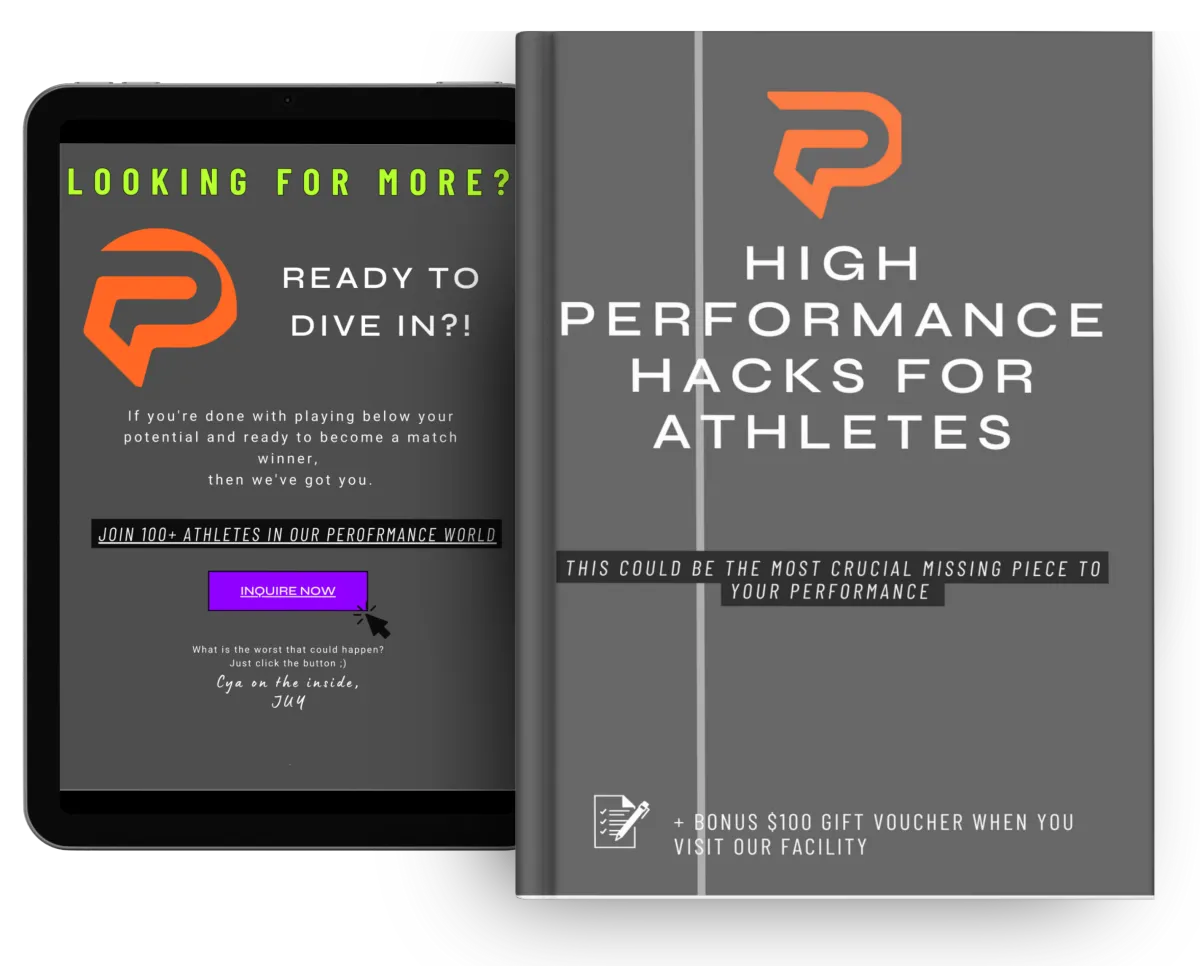
Download Your
High Performance Hacks Here

Do you like the look of working with us?
Contact Us
We’d love to hear from you. We consult for individual athletes and sports teams. Tell us what you’re looking for, and we’ll guide you to the services that are right for you (even if that's not with us!).



Bundoora Location
23-25 Clements Avenue, Bundoora VIC 3083

Ringwood Location
Unit 1/7 Oban Rd, Ringwood VIC 3134

Bundoora Location
23 Clements Ave, Bundoora, 3083

Ringwood Location
Unit 1/7 Oban Road, Ringwood, 3134

Website & Marketing Powered By Gymini